 It was nearly 11 PM, E.S.T., and the sudden announcement that President Obama was about to make an important announcement “related to national security” had been hanging in the air for almost a half hour, as TV reporters, hosts and anchors speculated and waited. I was jumping back and forth between two networks when the news began leaking out about what the announcement would be: Osama bin Laden had been killed in a U.S. operation. The professional ethics on both networks promptly evaporated, as Walter Cronkite, David Brinkley and Howard K. Smith looked down from news anchor heaven and retched. Continue reading
Sports
Imaginary Bird Cruelty: Ethical; Imaginary Dog Cruelty….?

If you think the birds are angry, wait til you hear the anti-dog-fighting activists.
We’re just keeping our finger crossed that Michael Vick doesn’t have this app on his phone.
“Dog Wars,” a new video game available free of charge on the Android smart phone market. The game allows players to choose, feed, train and fight virtual dogs against the dogs of other players. Predictably, animal rights, anti-dog fighting groups and social critics want the app dropped.
“Dog Wars” may be in poor taste, but it’s not unethical. Guiding pixels shaped as dogs in tiny phone screen-size battles has no more to do with cruelty to animals than biting the head off of a chocolate Easter Bunny or eating animal crackers. Critics are saying that the game teaches people how to prepare real dogs for real fights? Right…and “Risk” teaches people how to take over the world. Continue reading
Why I Hate Hate Crime Laws
Just do it with love, and they'll be lenient...
I did it to myself, I confess: reminding myself of the nation’s offensive hate crime laws while writing about the McDonald’s beating, pausing in the middle of the main theme of the post to note the foolishness of investigating whether or not an unprovoked attack qualifies as a hate crime. Hate crime laws infuriate me every time I think about them, because they represent the lowest and most cynical form of cultural values-setting by lawmaking, an important governmental task that is increasingly a lost art, because today’s lawmakers care more about posturing and power than values.
Two unidentified men beat Bryan Stow, a 42-year-old paramedic, senseless in the parking lot outside Dodger Stadium on opening day. Why? He was wearing a San Francisco Giant jersey, and it was Dodger territory. Continue reading
Ethics Dunce: Buzz Bissinger
 It took about an hour after the Barry Bonds verdict for the first ethics-challenged national sports writer to write something outrageous about it. Not surprisingly, it was Buzz Bissinger, a the member in good standing of the Daily Beast’s stable of annoyingly hypocritical, biased or appallingly cynical writers, Bissinger belonging to the last category.
His post, which pronounced the Barry Bonds conviction “a travesty” in the title, contained one ethics howler after another, any of one of which would have justified an Ethics Dunce prize.
Here they are:
“It is true that the case of Barry Bonds does hit a new low, a new low in the waste of millions of dollars of taxpayers’ money, a new low in the witch hunt of a player who, because he was considered surly and arrogant and unlikable, is now having intimate details of his life revealed (such as testicle shrinkage), a new low in outrageous abuse of government power.” Continue reading
The Bonds Verdict: Fair Enough
 The results of the Barry Bonds trial, which today concluded with the jury finding baseball’s all-time home run champion guilty of obstructing justice by misleading a grand jury investigating the distribution of illegal and banned steroid to professional athletes but unable to agree on the perjury charges, helps to balance the ethical scales. It should silence the shameless Bonds defenders who misused the “innocent until proven guilty” standard to maintain poor Bonds was being unfairly suspected of inflating his biceps, head, statistics and income through the marvels of chemistry, though it was blatant and obvious in dozens of ways. Now he has been proven guilty—not of everything, but for celebrity justice, in a trial where much of the most damaging evidence was withheld from the jury, enough—, so the claims of racism and unfair prosecution will ring even hollower now. Continue reading
Manny Post Script: The Signature of a Jerk
Manny Ramirez, the now-retired ex-baseball slugger, provoked the predictable responses from the media and fellow players in the wake of his sudden retirement after being notified that he would be the first major league player to face a 100 game suspension for failing a mandated PED test (that’s “performance enhancing drugs” for all of you who don’t know who Barry Bonds is), because no player had ever been caught TWICE before.
Everyone was in agreement that this meant: Continue reading
Manny Ramirez’s Perfect Exit

The most unethical baseball player since the Black Sox
From Major League Baseball:
“Major League Baseball recently notified Manny Ramirez of an issue under Major League Baseball’s Joint Drug Prevention and Treatment Program. Rather than continue with the process under the Program, Ramirez has informed MLB that he is retiring as an active player. If Ramirez seeks reinstatement in the future, the process under the Drug Program will be completed. MLB will not have any further comment on this matter.”
Perfect. Perfect.
Manny Ramirez was an impressively talented baseball player with discipline of an untrained Irish Setter, and the selfishness of a six-year-old. Throughout his career, he was a textbook example of the management fallacy known as the star principle, in which an extremely talented individual is allowed to break the rules and defy an organization’s culture in direct proportion to his perceived value. Continue reading
Chess Learns to Cheat
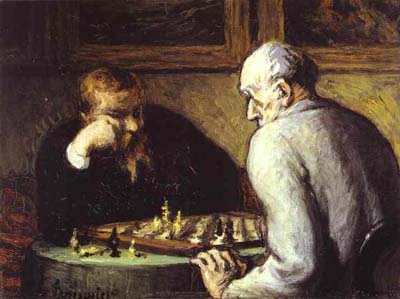 The French chess federation has suspended three of its best chess players for cheating in a tournament last Fall. Sébastien Feller, a 20 years old grandmaster, Cyril Marzolo, and Arnaud Hauchard, who is the French team captain, secretly used a computer to feed them moves during their matches. The games were broadcast over the Internet, and a confederate fed the game positions into a computer with a sophisticated chess-playing program (computers beat the world’s best human player very regularly now). Once the computer made its move, the confederate sent it to the human grandmaster using a text message. The three French chess whizzes matched the computer almost move for move.
Amazing. Continue reading
Baseball Season Opener Special: The Little League Baseball Ethics Challenge
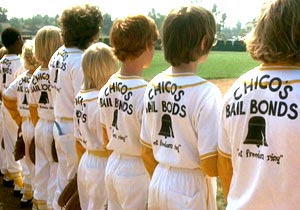
The Bad News Bears never had to face a problem like THIS...
The baseball season began March 31, with most teams, including my beloved Boston Red Sox, starting play on April 1. To salute this landmark, which annually signifies the date on which my mood changes from irritable to gay, I am presenting my favorite baseball related ethics post, from 2005. It is still a story with many difficult ethical dilemmas, one that explores the proper application of rules, ethics, sportsmanship, the importance of winning, balancing the welfare of a team with the needs of the individual, and more. Here is “the Little League Baseball Ethics Challenge.”
Play Ball! Continue reading
The Ethics of Nailing Barry Bonds
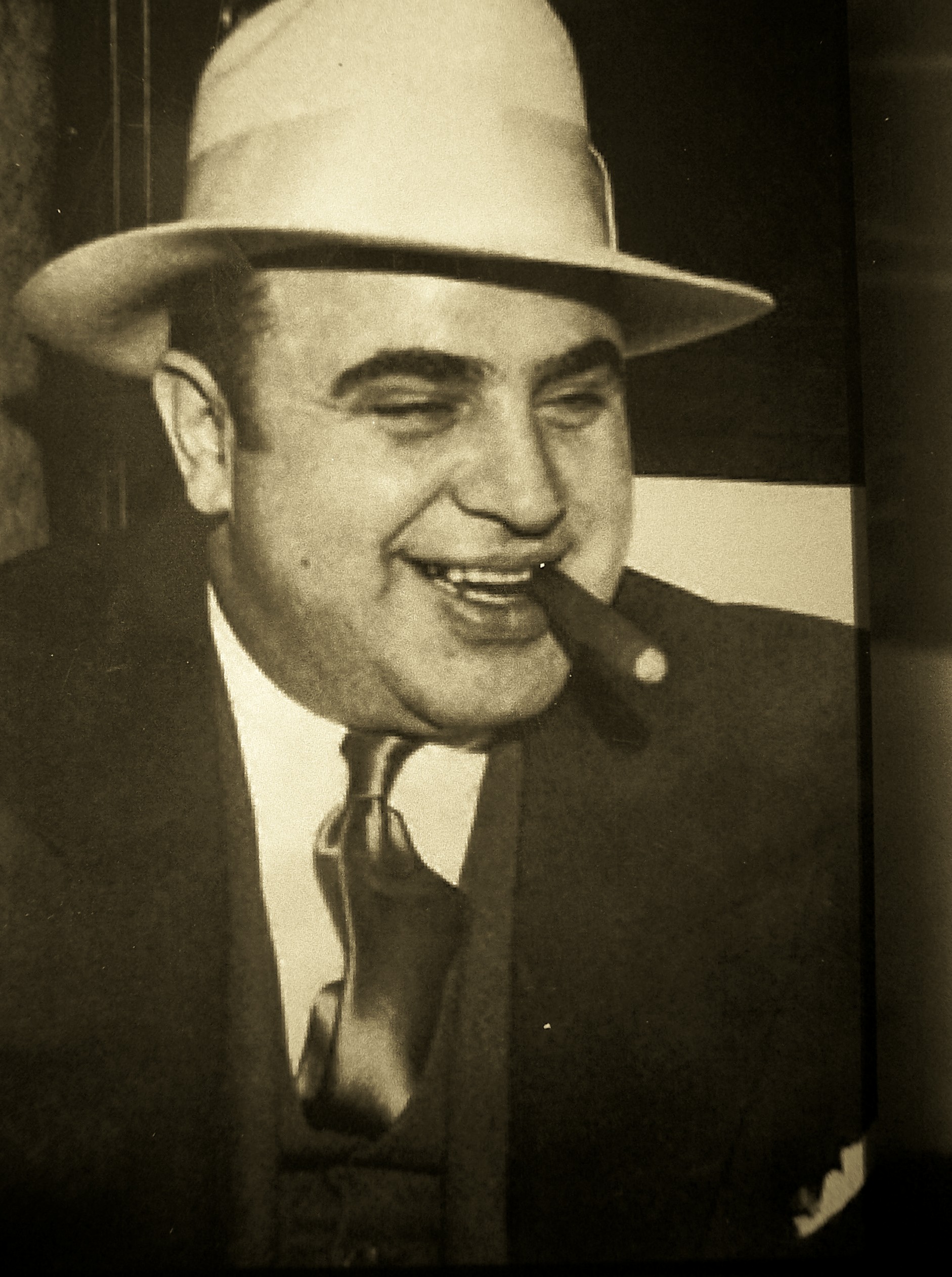
Is Barry Bonds getting the Al Capone treatment? Should we care?
Baseball’s all-time home run king Barry Bonds is finally on trial for perjury and obstruction of justice relating to his 2003 testimony before a grand jury that he never knowingly used steroids. It looks like he may get convicted too, even though the one man who could harm him most, his trainer and childhood pal Greg Anderson, once again has refused to testify and is in jail for contempt of court. (Many—including me— believe that Anderson has a promise of a pay-off from Bonds.)
Essentially everyone who isn’t actively trying to protect Bonds, completely ignorant of the facts of his career, or mentally handicapped knows he was lying and knew it at the time of the grand jury hearings. Barry has been both lucky and relentlessly dishonest, however, seemingly happy to spend the millions he made while cheating and permanently damaging his sport, and pleased with himself for retiring in possession of baseball’s most prestigious home run records, the most homers in a single season, and the most homers in a career. That Bonds achieved these, and several of his Most Valuable Player awards, while enhanced with the surreptitiously induced body chemistry of a Bulgarian weight-lifter in the 1972 Olympics doesn’t seem to faze him at all. Meanwhile, critics are dredging up the old rationalizations to defend Bonds, none of which apply to his current fix. Continue reading

