July 3 is a major date in U.S. history, slammed as it is between the epic significance of July 2 and 4 in the birth of our nation, and representing the crucial final day in the battle of Gettysburg, which in retrospect we can see as the critical moment when that nation was preserved as one.
Pickett’s Charge and the too little noted role of Gen. George Armstrong Custer have many ethics lessons to teach: the annually re-posted Ethics Alarms essay on those topics are here.
1. Get woke, go broke, and make someone else pay the price…Disney has been taking multiple hits as a result of its current mouse-eared masters determination to take sides in the culture wars, a one way ratchet that as Bud Light and Target (among others) have discovered, there is no way to backtrack or repent. Now it appears that its latest summer blockbuster attempt, “Indiana Jones and the Graying Temples of Doom” or whatever the misbegotten project is being called, is having approximately the same level of audience interest as, say, a sequel to “Body Heat” featuring the now 200 pound Kathleen Turner. When the most positive movie reviews say, “It really isn’t as bad as everyone expected,” you know there’s a problem. So how is Disney fixing the problem? By gutting the other businesses it owns! ESPN and National Geographic are the latest victims. Meanwhile, there are no signs that Walt’s wounded cultural icon is retreating to the neutral position it should have maintained all along.
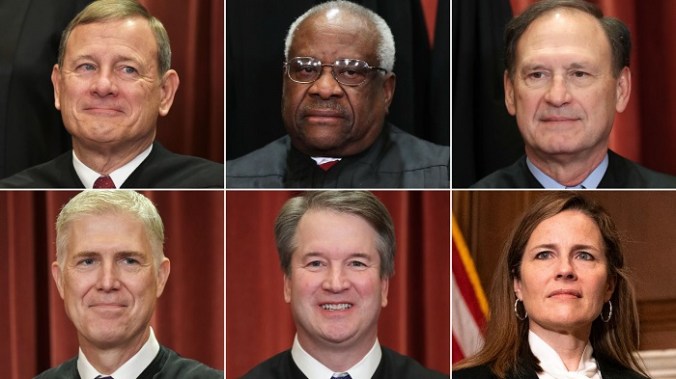
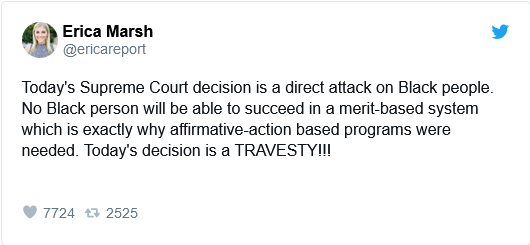
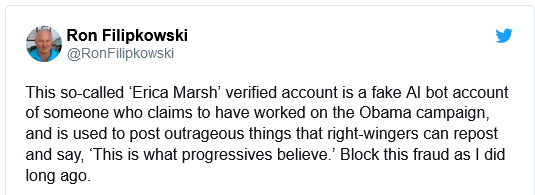
2. Gaslighting from the Times (again). The more I think about the Times headline, “With Supreme Court Decision, College Admissions Could Become More Subjective,” the worse it seems. Is the Times telling us that using the color of an applicant’s skin as a determinant was being “objective”? Is it implying that anyone is arguing that deciding among many more qualified applicants than Harvard can hold (that’s why God made Yale!) is possible without considerable subjectivity? This is one more example of how the SCOTUS decision is being distorted in order to mislead the 99% of American who either won’t read the decision or won’t understand it if they do. It’s really a pretty simple ruling. Colleges can make their choices on the basis of many subjective judgments, but U.S. law and the Constitution forbid discriminating on the basis of race.