For the record, the official Ethics Alarms title for the now nearly full-speed second-wave ethics train wreck emerging—again!—out of the biggest and longest-running ethics train wreck of them all (unless you count the Trayvon Martin-George Zimmerman Ethics Train Wreck, which you probably should), the 2016 Post-Election Ethics Train Wreck, is the Stormy Daniels-Donald Trump Prosecution Ethics Train Wreck. I was going to do a full review of the all-star list of current passengers thus far— Trump and Daniels, of course; Manhattan District Attorney Alvin Bragg, George Soros, Senator Elizabeth Warren and all of the Democrats foolish enough to shatter the rules of ethics estoppel by bleating “No one is above the law!,” the cheerleading mainstream media, Ron DeSantis, Kevin McCarthy, Rand Paul, Rachel Maddow—assuming that the indictment would come down today and Trump would be arrested.
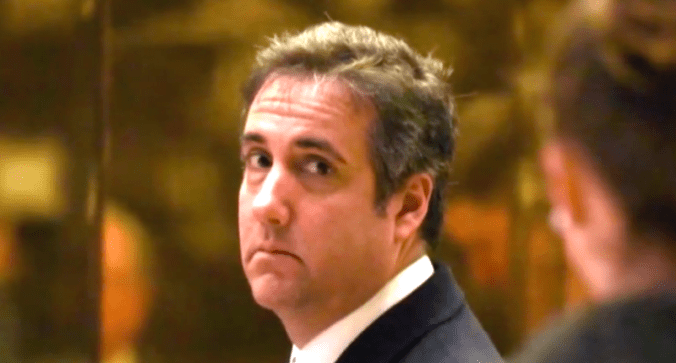
But it did not, and he wasn’t. (You would think, wouldn’t you, that after specializing himself in deliberately changing his plans once the news media engaged in what Ethics Alarms calls “future fake news” and announced that he was about to do something outrageous, Trump wouldn’t fall into the same trap by announcing that his arrest was imminent.) Instead, this post will focus on the Manhattan’s Democrats’ current “Get Trump!” Javert’s “star” witness, the ridiculous, slimy, reptilian, formerTrump fixer, Michael Cohen.
It was in 2015, back when I assumed that there was no way on earth sufficient numbers of Americans would be reckless enough to vote for Donald Trump in a primary, never mind an actual election, I first discussed Trump’s lawyer-fixer, Cohen in a Rhode Island legal ethics seminar, using him as an example of the archetypal untrustworthy lawyer, and declaring Trump as foolish for employing someone so clearly dishonest as well as incompetent. It wasn’t hard. Cohen had just given an interview in which he made the legally wrong claim that it was legal for a husband (in that case, Trump) to rape his own wife. Then he threatened The Daily Beast, saying…
Continue reading →




 Ethics Alarms