Ethics Villain: University Of California Prof. Michele Goodwin

Goodwin

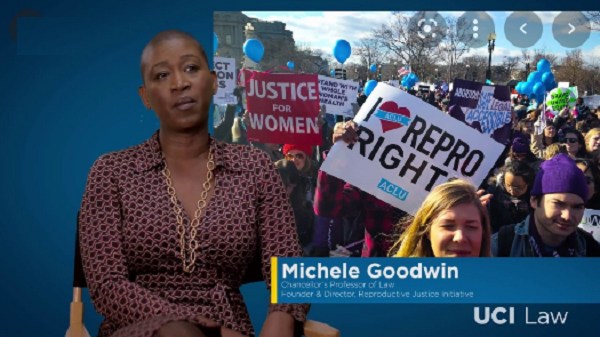
Why does Ethics Alarms rate Professor Goodwin an Ethics Villain rather than the more common, and usually forgivable, status of Ethics Dunce? It is because in her op-ed for the New York Times, “I Was Raped by My Father. An Abortion Saved My Life,” she deliberately misrepresents the law and ethics of the abortion issue while using her status as a law professor to mislead readers. She also presents an argument that is purely an appeal to emotion, though as a scholar and teacher she is professionally obligated not to advance a position without basing it in reason and fact.

There is nothing unethical or inappropriate about Goodwin advancing a pro-abortion position if she does so honestly. She is obviously committed on the issue as the founding director of the U.C.I. Law Center for Biotechnology and Global Health Policy and its Reproductive Justice Initiative, and the author of “Policing the Womb: Invisible Women and the Criminalization of Motherhood.” Terrific: make your case, Professor! I have an open mind; I look forward to reading it. You obviously have the skill, background, experience and erudition to be enlightening and persuasive on the topic.

But Goodwin doesn’t make a legal case, an ethical case, a moral case or even a logical one in her op-ed. Doing any of those require acknowledging counter arguments and rebutting them with facts and analysis. Instead, her essay goes straight for the heartstrings and viscera, bypassing the brain entirely.

Goodwin was raped by her father when she was 12, you see. How horrible. She courts our sympathy, and, not inappropriately, receives it. However, she never makes the case that a young woman’s (or girl’s) misfortunes, however severe, justify taking the life of another human being.

Continue reading

Ethics Alarms To NYT Columnist Ross Douthat: “Exactly!” (Corrected)

Abortion monument

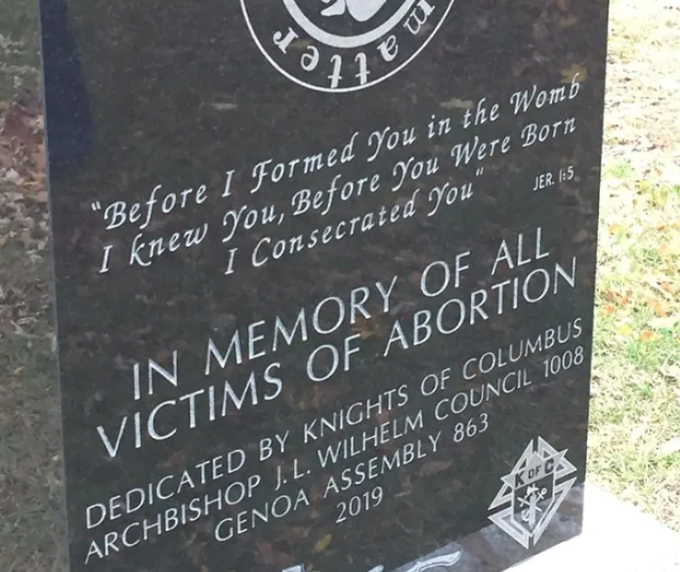
I’m still working on the Ethics Alarms prescription for an ethical national policy regarding abortion. The briefs and oral arguments in the Dobbs v. Jackson Women’s Health Organization case now before the U.S. Supreme Court are useful, but I received a special assist this morning from Times columnist Ross Douthat, who presented a full page, marvelously thorough and ethically spot-on analysis of the issue in an essay titled, “The Case Against Abortion.”

I wish I had written it, but I am grateful that he did. He deserves to have it read thoroughly by all, but some especially apt sections shout out for special mention:

  • “At the core of our legal system, you will find a promise that human beings should be protected from lethal violence. That promise is made in different ways by the Constitution and the Declaration of Independence; it’s there in English common law, the Ten Commandments and the Universal Declaration of Human Rights. We dispute how the promise should be enforced, what penalties should be involved if it is broken and what crimes might deprive someone of the right to life. But the existence of the basic right, and a fundamental duty not to kill, is pretty close to bedrock.

    “There is no way to seriously deny that abortion is a form of killing.”

    And that must be the starting point for any policy debate.

Continue reading

A Second Introduction To “Thoughts On What An Ethical Solution To The Abortion Ethics Conflict Might Look Like, Part 2: A Solution”

ViewsOnAbortion_v02_KA_1637005673621_hpEmbed_1x1_608

I decided that it was finally time to complete and post Part 2, having promised it way back in September. The impetus is two polls on the subject released today and yesterday. But having read the polls, I feel like a second introduction to Part 2 is necessary. (The first introduction, posted a day after Part I, is here.)

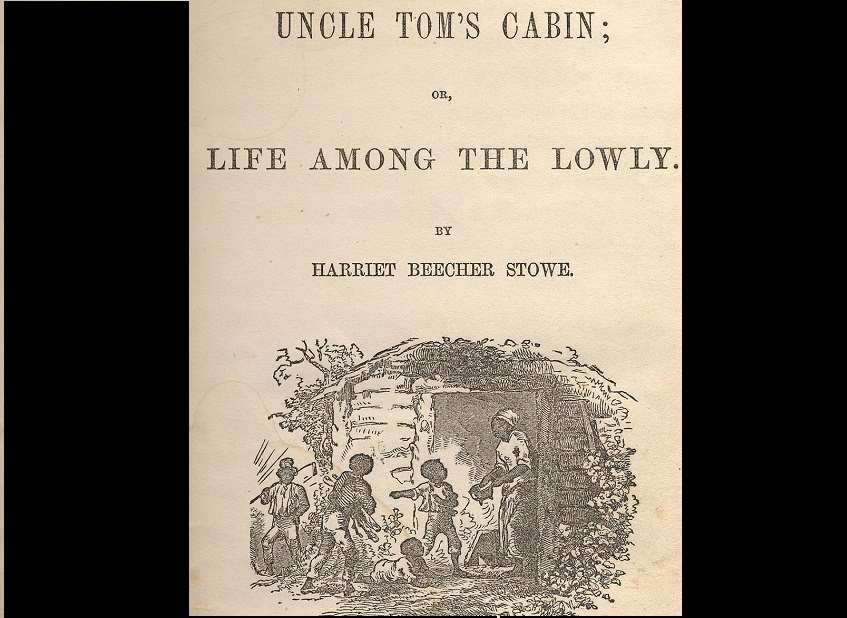
The first introduction closed, “Absent something that causes a tipping point in public opinion on the same level of influence as “Uncle Tom’s Cabin” [on the public’s perception of slavery] the approach to abortion I offer in Part 2 is, and will ever be, impossible.” The two polls purport to tell us what the public’s current perception of abortion is. At least, that’s how they are being presented in the news media, which, as we all know, is completely unbiased on this topic as well as others.

I’m joking. Most of the media is ignoring the second poll, by Marquette, which makes the Washington Post-ABC poll that is more positive toward abortion incoherent. The Marquette poll found that more of those polled favored a ban on abortions after 15 weeks of pregnancy than opposed it. Survey respondents were asked if they would favor or oppose a ruling to “uphold a state law that (except in cases of medical emergencies or fetal abnormalities) bans abortions after the 15th week of pregnancy.” This is a direct reference to to Dobbs v. Jackson Women’s Health Organization, which SCOTUS will hear oral argument regarding on December 1. The case turns on the constitutionally of a Mississippi law that bans most abortions after….. 15 weeks of pregnancy. Allowing the law would, if not overrule Roe v. Wade, significantly limit it. Yet 37% of those polled approved of a decision upholding such a law, while 32% opposed such a result. The remaining 30% said they didn’t know enough to make a decision.

In most polls on other topics, that group that pleads ignorance are apathetic slugs, but on this topic, maybe they are the wise ones. How many Americans really know what Dobbs is about, or even what Roe v. Wade really says? My guess is considerably less than 50%. Maybe less than 25%. 10%?

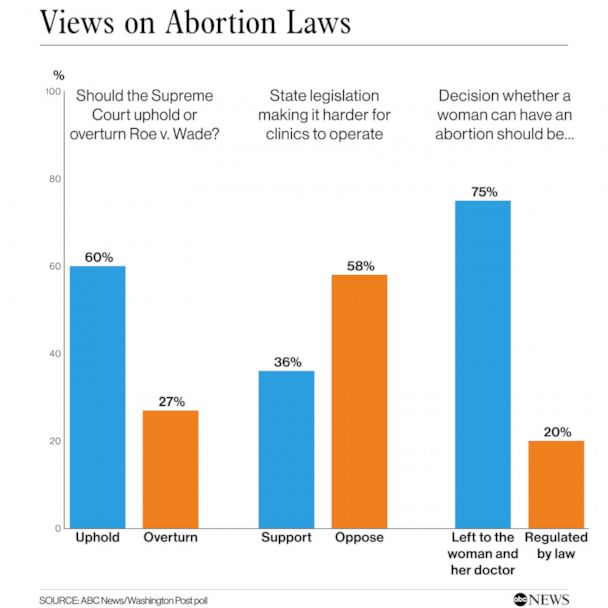
The Post-ABC poll that is being waved triumphantly in the public’s face is the one summarized in the diagram above (the data is here) and claims that large majorities of Americans “support maintaining Roe v. Wade, oppose states making it harder for abortion clinics to operate and see abortion primarily as a decision to be made by a woman and her doctor, not lawmakers.” How can that be the case if a majority also believes that woman and doctors should not be able to decide to abort an unborn baby after only 15 weeks?

It can’t.

What’s going on here?

Americans, except for small numbers of activists on both sides, haven’t thought carefully about the issues in abortion sufficiently to have an informed opinion about it. That’s what.

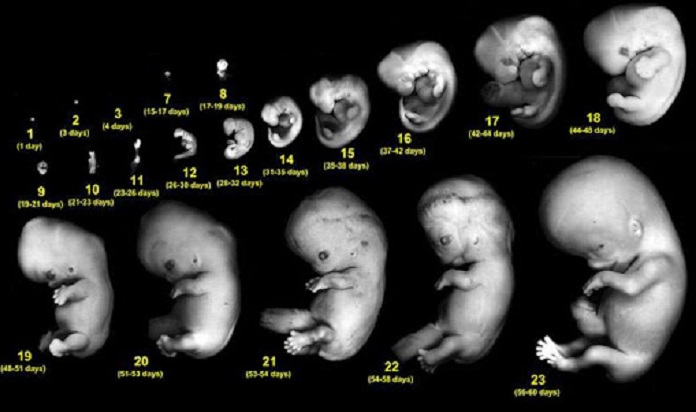
I would like to have the groups polled by Marquette and ABC/Washington Post pollsters asked if they have read Roe. What’s your guess: how many would say they have? 5%? Less? How many have thought about when a fetus should have the right to live? If they were shown a photo of a fetus at 8 months, would they support aborting it? Six months? Three?

Of those who say they support abortions in the case of rape or incest, and were asked why how a human is conceived should change its right to live, how many could answer intelligently? How many have thought about it? How many have the education and critical thinking skills to analyze the problem competently?

If you asked if a man who killed a woman who was three months pregnant should be prosecuted for killing one human being or two, what would the majority answer? If they answered “two” and then they were asked, “How can it be murder if an unborn child is killed by anyone else, but no crime if the killer is the mother?,” how many would mutter “Huminahumina”?

The vast, vast majority of Americans thinks about abortion so shallowly as to be ethically useless, simply following their peer groups, or joining one team of the other who band together under deliberately misleading labels: “pro-life,” which ignores on of the crucial interests in involved in abortion policy, and “pro-choice,” which ignores the other. Or they don’t think about abortion at all.

No political, legal or societal acceptable solution to the abortion ethics conflict is possible when the public remains this ignorant and apathetic. A condition precedent to any solution, therefore, is to bring about a dramatic shift in public consciousness and commitment—that tipping point I mentioned before. That’s what “Uncle Tom’s Cabin” did: it forced people who had never thought seriously about slavery and what it meant to think, and once they did, they opposed it.

Polls are easily manipulated and generally do more harm than good, but these two, taken together, show us a way out. The public needs something or someone who will make its members think about abortion and its issues, honestly and without the spin, obfuscation, emotionalism and bullshit. If a metaphorical slap in the face could be found for slavery, one can be made for abortion.

So getting to that slap is the first part of any solution.

Got it.

Now I’m finally ready to finish Part 2…
This Weekend In Pro-Abortion Ethics

SCOTUS protest

Let’s examine this by categories….

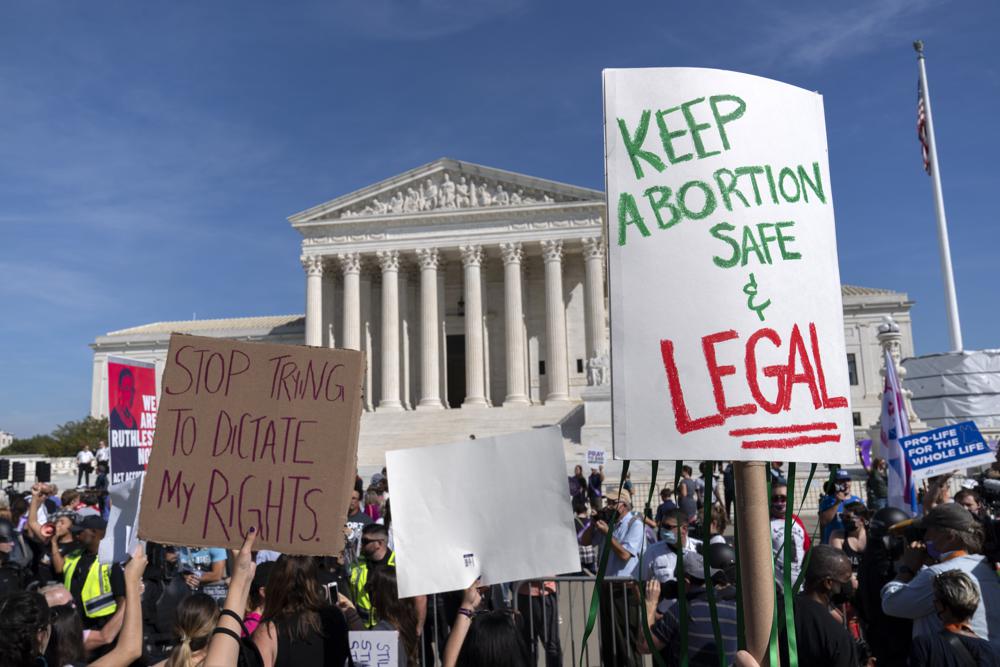
Warped Concepts of How the System Works: Yet another Women’s March, like all of them, misleadingly labeled to avoid the ugly transparency that “March to be Able to Kill the Unborn at Will” would broadcast, ended up at the steps of the Supreme Court yesterday. Thousands traveled to Washington, D.C. to demand abortion rights, as if the Supreme Court decides complex issues according to who shouts the loudest, is most passionate, or has the coolest signs. Demonstrators surrounded the court,shouting “My body, my choice” and cheering loudly to the beat of drums.

Morons. These assaults on the Curt have driven me mad for decades, as what they demonstrate is that difficult matters of law, precedent and policy can be decided by slogans and the incoherent bellows from a mob. It’s an insult to the Court, the Constitution, and the system. If you have a valid argument, file an amicus brief. These demonstrations, and it doesn’t matter what their goal is our which side of the ideological spectrum they come from, waste time, energy, passion and taxpayer funds. Is the idea intimidation? Good luck with that. Persuasion? Sure, a bunch of screaming and weeping activists are going to persuade anyone but TV talking heads. Narcissistic grandstanding?

There you go.

Continue reading

Introduction To “Thoughts On What An Ethical Solution To The Abortion Ethics Conflict Might Look Like, Part 2: A Solution” [Updated]

Uncle_Toms_Cabin_by_Harriet_Beecher_Stowe

I’ll post the 25 stipulations from Part I at the bottom of Part II for easy reference; I’ll be quoting the number in some cases. But not right now…I realized that an introduction is necessary.

It’s important to clarify an essential point up front: as long as the two sides in the abortion controversy refuse to acknowledge the validity of the other side’s interest and concern, no solution to the problem is possible, and until that point, it is almost a waste of time discussing it. In this respect, it is like another ongoing ethics conflict, the dispute between Israel and the Palestinians. (That one I believe is hopeless, and the only solution is an unethical one: a war that leaves one side or the other standing. That may happen; I don’t see it as a likely resolution of the abortion question.

Related to this condition precedent to any resolution is the fact that the pro- and anti- abortion sides (Let’s send “pro-life and “pro-choice” to ethics hell where they belong) must stop demonizing the other. That practice makes compromise and literally impossible, and a problem like abortion cannot be addressed ethically without the recognition that balancing of interests must occur at some level.

In this area, abortion separates itself from the ethics and human rights dispute it most resembles. The analogy is useful in some respects (as we shall see), but not in the area of compromise. The period preceding the Civil War was a fiasco of attempted compromise regarding slavery, and every attempt made the situation worse, more unethical, more unjust, and more contentious. Slavery really is an absolutist problem: it is absolutely wrong, and there are not ethical principles on both sides, unlike abortion. The pro-slavery case was economic, making slavery an ethics dilemma (non-ethical considerations vs ethical ones), unlike abortion. Because abortion is an ethics conflict, each side must accept a solution that is partially unethical, or there will never be a solution.

Continue reading

Thoughts On What An Ethical Solution To The Abortion Ethics Conflict Might Look Like, Part I: 25 Stipulations

pregnant-woman-with-friends

This is Labor Day, after all…

Eventually it is irresponsible and cowardly to criticize all of the rhetoric regarding abortion and not make a serious proposal. I feel like I’ve reached that point.

Let’s start with what we have to work with.

25 Stipulations

I have not labored to put these in order of priority or importance, and many constitute “but on the other hand” reflexes upon considering the previous point. I’ll bold the items that seem particularly important as I post them. I am certain that I will miss some or many points that need to be considered as well.

Continue reading

Chilling Tales Of The Great Stupid: Bette Midler’s Tweets

Midler tweet 2

Midelr tweet 3

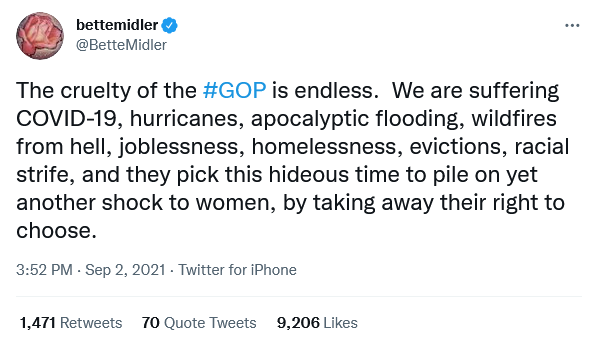
I love these tweets! The pop music and Broadway diva and actress has provided a cultural, political, anthropological and philosophical artifact for the ages. I could write a book about these twin tweets and what they tell us, not just about Midler, but about a society that produces the kind of celebrity who would produce them.

Where to begin? Well, taken together they are not unethical tweets: I might even argue that they are ethical, because they publicly declare to the world, “I am a complete and utter idiot, and not only do I lack the critical thinking skills of a three-toed sloth, I suffer from a near terminal level of the Dunning-Kruger Effect, being both unable to discern just how stupid I am, but also unable to comprehend the consequences of advertising my disability to the public.” Now there is no excuse for anyone considering having an interaction of any kind with Midler that involves trust—letting her baby-sit a child, for example, or even a guppy—and thus to make the mistake of relying on her judgment. She has none, and has been considerate enough to proclaim it. (Not that she hadn’t provided plenty of evidence before.) The tweets make the world safer. How many social media posts do that?

Continue reading

Yet Another Texas Abortion Law Freakout Friday Comment Of The Day…

2021-foster-care-us

If only someone had killed them first!

(Sorry, I couldn’t resist, given the upcoming commentary.)

I figure if every time Still Spartan graces us with a comment it gets Comment of the Day status, maybe she’ll weigh in more often.

I agree with almost nothing in her post (other than that the Texas law is bonkers and that it will be struck down, contrary to the bleating of the pro-abortion hysterics), but it’s a provocative and well-written opinion.

Here is Still Spartan’s Comment of the Day, which I hereby decree to be on the relevant post, “Texas’s Clever Anti-Abortion Law.” And I wrestled with myself and lost—at the end, I will re-post my original comment to it.

***

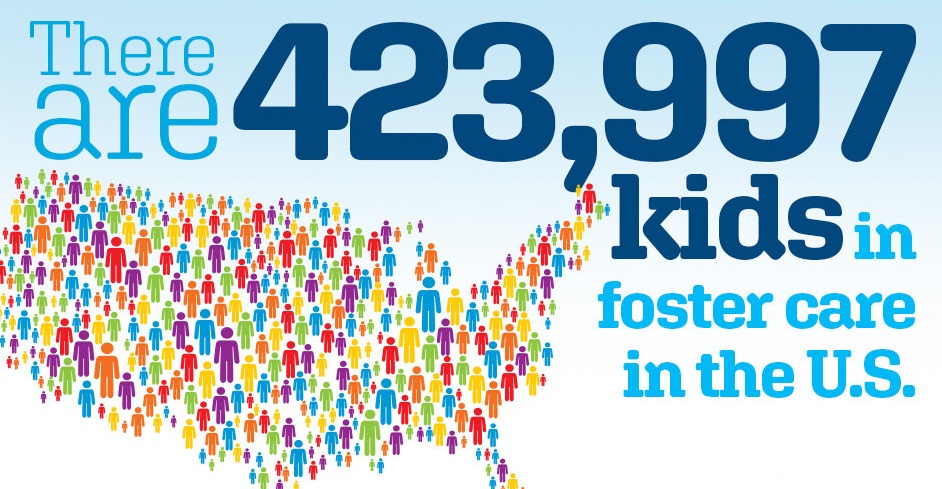
“A quick internet search informs me that there are over 400,000 unwanted or neglected children living in foster care in the United States right now. Why do we want policies creating more unwanted and/or neglected children? Pro life advocates are quick to point out that there are people lined up take newborns, but yet they don’t seem to want the over 400,000 children who are desperate for homes right now. They also don’t seem to want babies born with special medical needs who often end up in foster care.

No one seems to care that most girls and women who seek abortions do so out of desperation: poverty, abuse, fear. I have never met a woman who celebrated the fact that she had one, but I have met many who were grateful that it was available — either for one of the reasons I listed above or because of a birth control failure. All of these women I know went on to have children with partners at a later time, when they were financially able to care for a child and were in a safe and stable relationship. If the initial abortion had not happened, their lives most likely would have gone down a different path and these other children would have never come into being — children who have the benefit of a stable and loving home.

Continue reading

Texas Abortion Law Freakout Friday Continues: Psaki And Althouse

Psaki

I. Psaki

The exchange yesterday that Biden White House paid liar Jen Psaki had with reporter Owen Jensen, of the Eternal World Television Network (EWTN), a Catholic news organization, raises this conundrum: if there is persuasive ethical argument for abortion and abortion advocates have been defending Roe v. Wade for half a century, why are they so bad at it?

“Why does the president support abortion when his own Catholic faith teaches abortion is morally wrong?” the reporter asked. It’s a fair question, of course, and one that Joe Biden has (badly) tap-danced around for decades, claiming that he accepts the teachings of his church but refuses to impose his religious beliefs on others. This means, of course, that he believes abortion is murder but advocates it anyway. It is not a serious, honest or ethical position.

Psaki’s answer, as many of her answers do, ducked the question, saying that the President “believes that it’s a woman’s right, it’s a woman’s body and it’s her choice.” It’s a woman’s right to kill a human being? That is what Psaki is saying Biden believes, if he is as faithful as he claims. Typical of her ilk, her answer pretends that the only issue is the woman’s body and rights. Then Jensen asked who Biden thinks “should look out for the unborn child?” That is also a fair question, since Psaki’s answer was a Jumbo: “Unbornd child? What unborn child?”

Her next answer was worse:

“He believes that it’s up to a woman to make those decisions and up to a woman to make those decisions with her doctor. I know you’ve never faced those choices, nor have you ever been pregnant, but for women out there who have faced those choices, this is an incredibly difficult thing.”

An unborn child is either a life, or it isn’t. Biden’s faith states that it is. Despite that, the President believes that a woman can magically make a life a non-life by choosing to do so, along with her doctor How does that work, Jen? Then she stoops to the “men have no right to have a position on abortion” cheat, which would be unnecessary if she had a reasoned, persuasive defense of abortion beyond “Roe v. Wade says it’s a right, so it’s a right.”

No, Jensen’s never been pregnant (but he could be, Biden’s trans constituency should remind her), but he has been a fetus, and so has Psaki. Thus both should recognize the importance of the fetus’s right to exist.

Ah, but the moral and ethical dilemma posed by an unwanted pregnancy is difficult, Jen says. Yes, it’s difficult. Difficulty is not an argument for taking an innocent life. Is this the best a devoted abortion advocate can do under focused questioning? Apparently it is, at least when the advocate is as incompetent as Psaki. Was Sean Spicer really any worse than this hack? I don’t see how, except that he was working for President Trump.

II. Althouse

Continue reading

Texas’s Clever Anti-Abortion Law

abortion Texas

The Texas law, which went into effect yesterday when the U.S. Supreme Court declined to block it on a 5-4 vote. (Guess which justices were on each side. Next question: Who is buried in Grant’s Tomb?) The law bans abortions after a fetal heartbeat can be detected, which is after about six weeks of pregnancy. Roe v. Wade, the 1973 Supreme Court decision that established a constitutional right to abortion until a fetus was viable (by the medical standards of 50 years ago), would seem to preclude such laws, which other states ( Georgia, Mississippi, Kentucky and Ohio) have passed only to have them held in limbo by the courts The Texas law is the first to be implemented, in part because it approaches the issue from a clever (some might say diabolical) perspective.

The law does not make exceptions for rape or incest, as it should not: if the objective is to protect the human life of the unborn child, how that life came into being is irrelevant. It does permit abortions for health reasons, allowing a termination only if the pregnancy endangers the mother’s life or might lead to “substantial and irreversible impairment of a major bodily function.” The clever part is this: the Texas law doesn’t require state officials to enforce it, meaning that abortions won’t he halted by government action. The Texas law deputizes private citizens to sue anyone who performs an abortion or “aids and abets” a procedure. Any citizen has standing, regardless of connection to the patient, the abortion doctor or the clinic and may sue and recover legal fees along with $10,000 if they win.

This means that the Supreme Court will have to consider not only whether the Texas law in unconstitutional, but whether it can even be challenged in court, what the SCOTUS majority called “complex and novel” procedural questions. Predictably, while the majority opinion was relatively restrained, the dissenters freaked out.

Continue reading