Incompetent Polling + Confirmation Bias + Lazy Analysis= Fake News

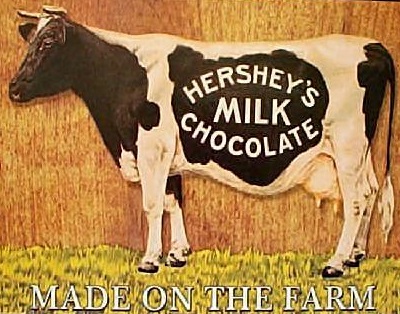
Seven percent of all American adults believe that chocolate milk comes from brown cows, according to a nationally representative online survey commissioned by the Innovation Center of U.S. Dairy, reports the Washington Post. The writer then goes on to explain why this “surprising result” occurred. The main thesis: Americans are now so far removed from farm and food production that ignorance is epidemic.

I have no doubt that too many kids aren’t properly informed by the adults in their lives about basic facts of food and agriculture., just as I know that the average American has trouble placing the Civil War and World War I on a timeline, can’t name more than ten Presidents, and thinks JFK was “great.” I also have no doubt that 7% of the American public is dumber than a box of whoopie cushions.  Taking a poll result like this one at face values, however, shows why the news media was so sure Hillary Clinton would win.

Ann Althouse nailed it in a brief post she calls : “There’s nothing dumber than forgetting that other people might have a sense of humor and are screwing with you.”:

“When you’re studying something among people you look upon as commoners, you’d better stop and wonder: Am I the Margaret Mead?”

(If you are unfamiliar with the Mead reference, this will help.) Continue reading
Comments Of The Day (3): “An Especially Ugly Ethics Quiz: Cam Betrayed”

There have been many excellent posts on the Ethics Quiz about the couple that executed their apparently loving therapy dog, a Staffordshire Bull Terrier named Cam. Three comments stand out (I could easily have selected twice this many, however) , one by Paul W. Schlecht, another by slickwilly, and a third by Elizabeth II. They cover some common ground, and together show the complexity and breadth of this issue, which goes beyond mere animal cruelty to our society’s emotional connection, confusion and hypocrisy about animals generally. I decided that they complement each other, and am posting them as a set.

First, here is slickwilly’s Comment of the Day on the post, “An Especially Ugly Ethics Quiz: Cam Betrayed”:

Growing up rural, animal management is a way of life. You care for ‘commercial’ animals and you care for ‘pets.’ Confusing the two causes problems with regards to ‘final disposition.’ You never torture the animal (as this was considered a lack of character and a sign of a dangerous person) but attempt to make the act as painless as possible. (Note this is why you never hunt deer with an insufficient caliber, or take low probability shots that may wound but not quickly lower the target’s blood pressure to induce unconsciousness. Not only is is more humane, but also prevents the meat from being tainted or lost.)

A good working definition of a commercial animal versus a pet is driven by what type of profits are earned on the animal. We (generally) keep and pay for pets for emotional reasons (a type of profit), and do not expect monetary profit. Commercial animals are for food and profit. The line can blur, as in the case of military bomb dogs or ‘barn’ cats, but this generally is the case. It is a pet if you cannot bear to think of eating it. Cows can be pets. Dogs can be junk yard guard animals. The owner’s feelings make the difference.

I remember some folks who were unable to kill their show chickens, pigs, sheep, (or whatever) for delivery to the buyer (who did not bid on a live animal, and paid well over market value to support the college aspirations of the seller.) The Ag teacher’s advice was to never name a meat production animal, if you intend to sell it. Reluctance to complete the life cycle of such animals indicated the person was not suited to that sort of rural agricultural activity. Go grow corn if you like, but don’t raise beef. There was no shame in this: find what you like to do and do it. But make no mistake: anyone who has cared for 20 pigs knows they are NOT pets, and they EAT a lot, which has to be paid for.

Continue reading