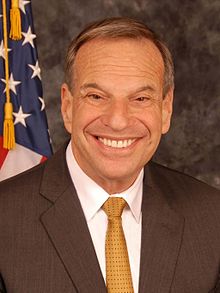
Hey, Mayor Filner, if San Diegans decide they have a problem being led by a serial sexual harasser, you can run for Mayor of New York!
The mandate for leaders and potential leaders who have engaged in blatantly dishonest, corrupt, undignified or otherwise unethical conduct to remove themselves from office or consideration for office is not that, as hundreds of foolish pundits (like this guy) will try to convince you, hypocrites with a keyboard or a vote falsely pretend that such conduct is unique. There are two justifications for the unethical to resign from office, both undeniable and ancient. I have written enough, for now, about the first—that such conduct demonstrates untrustworthiness, the quality a leader must not have— and want to focus on the second, which is this: if they do not step down and away, such leaders and potential leaders mock the aspirations of democracy, insult its underlying hopes, and degrade, by their persistence, the standards of future leadership.
Once, this was thoroughly understood. Leaders who were exposed as lacking honesty, integrity, responsibility and respect for their own office resigned or withdrew from public life, as self-executed punishment and their last chance at redemption. Democracy, as John Adams wrote, is supposed to be a system that elevates the most accomplished, the most able, the most trusted and the most ethically sound to leadership, for obvious reasons. They are qualified to be leaders because, bluntly, they are better than the rest of us. They are also, because they are better, supposed to be capable of sacrifice and humility, and to recognize that power is a privilege, not a possession to be retained at all costs. Continue reading


 Ethics Alarms