Stupid Unethical Reporter Tricks

If true, what Sports Illustrated reporter Jon Heyman is being accused of by his colleagues is a major ethics breach. The context—a free agent baseball star’s negotiation with teams competing with each other for his services—is a narrow one, but it challenges us to ponder how often the same dishonesty occurs in other news reporting contexts. Continue reading

Ethics Heroes: White Sox Pitcher Mark Beuhrle and His Wife Jamie

This isn’t an earth-shattering story, but a nice one, especially if you need more than Philadelphia Eagles touchdowns to help wash the Michael Vick episode out of your brain. Some pro athletes are actually kind to dogs.

Mark Beuhrle, the Chicago White Sox pitching star, learned about a Shetland Sheepdog that was shot with an arrow, and badly injured. Beuhrle and his wife have agreed to pay any unpaid medical bills for the wounded animal, which has undergone extensive surgery. He seems to be out of danger, too.

You can read the whole story of Shelby the Sheltie here.

Bret Favre, Meet Derek, LeBron, and Tiger

Recent revelations about Joe DiMaggio’s conduct while doing PR work for the military during World War II shocked some people who had been humming “Mrs. Robinson” over the years. Joe, as insiders had long maintained, really was a selfish and anti-social guy, far from the knight in shining armor that the public took him to be. But he played his hero role well when he was in the public eye, and that is to his credit: DiMaggio met his obligation as a hero-for-hire. Athletic heroes are challenged to live up to their on-field character, and not surprisingly, few are equal to the task. One who was has been back in the news lately: Stan (the Man) Musial, the St. Louis baseball great who will soon be awarded the Medal of Freedom by President Obama.

In these anxious times when every institution and every champion seems to betray us eventually, sports heroes who can remain untarnished are especially valuable, which is one reason why they earn so much money. On the field, court, course, ring or track, they can exhibit courage, trustworthiness, selflessness, leadership, sacrifice, diligence, loyalty, fair play and sportsmanship to inspire us and serve as role models for our children. All they have to do is avoid showing that it is all an illusion after the games are over. It shouldn’t be difficult, yet it is.

Tiger Woods only needed to be a responsible and trustworthy husband and father. LeBron James only had to avoid revealing himself as a fame-obsessed child. Derek Jeter only had to resist the impulse to extort the team he symbolized for money he neither deserved or needed. Yet they couldn’t, or wouldn’t do it. They hurt their own images, reputation and legacy beyond repair, but more important, they robbed us of heroes that we sorely need.

The latest addition to the pantheon of fallen idols is Bret Favre, the star NFL quarterback now suffering through the humiliating final season that was more or less guaranteed by his inability to retire while he could still pick up a football. Continue reading

Update: Derek Jeter Is Now A Full-Fledged Ethics Dunce

In an earlier post, I noted that Yankee legend Derek Jeter could do the right thing and accept the New York Yankee’s generous offer to pay him about twice what he’s worth, or become an Ethics Dunce (qualifications: greed, ingratitude, selfishness, unfairness, abuse of power ) by trying to extort the team for millions of dollars he neither needs nor deserves.

He has chosen the latter. Sorry, Yankee fans. Derek’s a Dunce after all.

I really thought he was better than this.

One Word Removed From Ethics Dunce-hood: Yankee Shortstop Derek Jeter

Derek Jeter is not an Ethics Dunce yet, and all those who admire the career of the great Yankee shortstop—even grudging Red Sox fans like myself–have to hope and wish that he does nor become on. He is perilously close, however—one word away, in fact. The word is “no,” and if he utters it in response to the reported contract being offered to him by the New York Yankees, it is time to replace his NY cap with a tall, pointy one. Continue reading

Dishonoring Honors: Tina Fey, Derek Jeter and the Death of Award Integrity

We should have seen this coming. Once the most prestigious award of all, the Nobel Peace Prize, was bestowed on President Obama because, to paraphrase Sally Field, “They liked him! They really liked him!,” it was clear that the whole concept of maintaining the integrity of awards was being abandoned. More dispiriting proof arrived yesterday in the fields of comedy and baseball, when the Mark Twain Prize, given to artists who have made major and significant contributions to American comedy, was awarded to Tina Fey, and the Gold Glove Award for the American League’s best fielding shortstop went to New York Yankees shortstop Derek Jeter. Continue reading

Ethics Quote of the Week: San Diego Padres First Baseman Adrian Gonzalez

“In essence, if I take what you call a San Diego discount then I’m affecting their market. I’m affecting what they are going to make. It’s a lot like real estate. That’s the reason why. The way the game of baseball is set up, we have to protect each other. We have to do what’s best for each other.”

—-San Diego Padres superstar first baseman Adrian Gonzalez, explaining to an interviewer why he would sign with the highest bidder when he becomes a free agent next season, rather than stay in San Diego, his home, for a lesser salary.

If you don’t follow baseball, you might not know who Adrian Gonzalez is. He is a phenomenal young (28) superstar who has yet to earn the mega-millions that his skill would demand on the open market, because he has yet to fulfill his obligation to the team that brought him to the majors, the San Diego Padres. His time is coming, however: he will be a free agent after the 2011 season. The Padres, a small market franchise without a spendthrift owner, can’t and won’t pay as much to keep their best player as large market predators like the Yankees, Red Sox, Angels or Phillies will pay to acquire him. Gonzalez will be able to demand in the vicinity of 20 million dollars a year from these teams. The only hope the Padres have would be if Gonzalez, a longtime resident of San Diego and active in the community there, will accept less money to stay where he has roots, what is referred to as a “home town discount.” Continue reading

Ethics Hero Emeritus: Sparky Anderson (1934-2010)

Maybe I shouldn’t call someone an Ethics Hero for behaving like all normal, considerate people ought to behave. Maybe that sets the bar too low. Still, when I learned of the recent death of Sparky Anderson, the Hall of Fame baseball manager who won World Series titles with both the Tigers and the Reds, I remembered an indelible personal incident that forever defined my impression of him. Continue reading

The Replay and Integrity: Baseball at an Ethics Crossroads

On the final day of baseball’s regular season, the San Francisco Giants were playing the San Diego Padres in a contest with post-season implications for both teams. Had the Padres won , it would have forced two one-game playoffs, with the loser of a Giants-Padres showdown today facing the Braves on Tuesday to determine the National League Wild Card team. In the bottom of the first, the Giants’ Andres Torres smashed a Mat Latos  pitch down the left-field line. The ball clearly landed right on the chalk-marked foul line, kicking up a cloud of white dust as undeniable proof that the ball was fair,and the batter destined for second base or beyond. Third-base ump Mike Everitt called it foul, however. Broadcasters, the Giants managers, everyone protested and pointed, but to no avail.

The Giant’s won anyway, so it only mattered to Torres’s batting average. But a time-bomb is ticking. Baseball, which was embarrassed last season into adopting video replay for home run calls, allows no videotape mandated reversals on other blown umpire calls. As the game heads into its period of highest visibility, when casual baseball fans start paying attention to the best teams playing for the title, the likelihood of an obviously wrong call by an umpire leading to an undeserved win in a crucial game is unacceptably high. Why does baseball’s leadership resist a solution? Continue reading

The Officious Intermeddlers, the Victory Cigars, and Exception Ethics

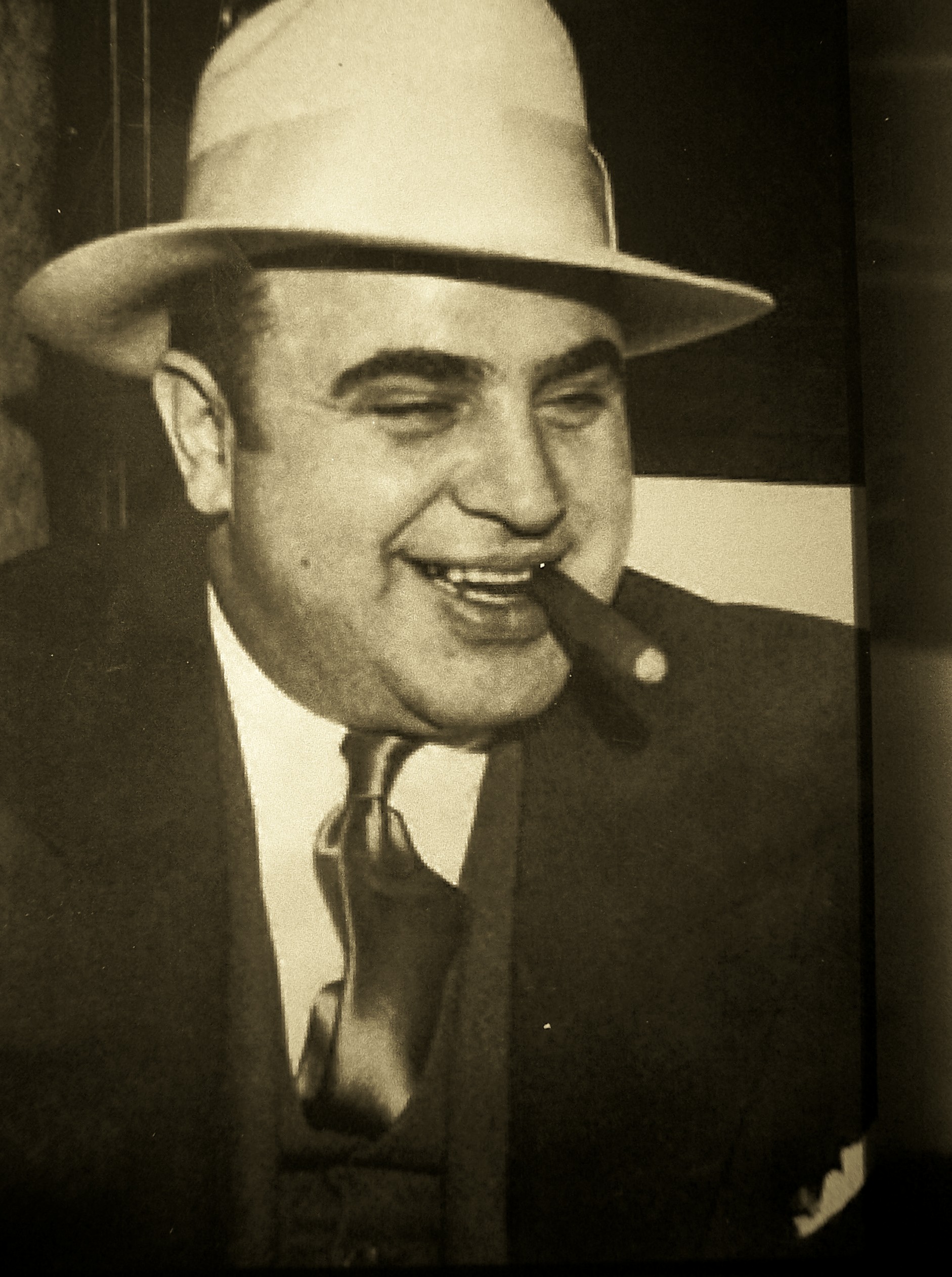
The Cincinnati Reds just clinched their first post-season playoff appearance since my son was born, and he’s 15. Understandably, the triumph set off the traditional and familiar sports team celebratory nonsense, with grown men shouting and jumping on each other and spraying everyone with champagne. Some of the Reds, led by Reds owner Bob Castellini, lit “victory cigars,” a guy-thing ritual that dates back beyond memory, though it was made especially famous by Boston Celtics coach Red Auerbach, who would light a cigar from his perch on the Celtics bench as soon as he was certain a game had been won. (Yes, upon reflection, it was obnoxious. They loved it in Boston, though.)

No sooner had some of the Reds taken their victory drag on the stogies than several Cincinnati citizens hit the phones, complaining the Reds had broken the law. Continue reading