
Yet Another Consequentialism Lesson From Baseball

It's for your own good, kid.

It’s for your own good, kid.

Consequentialism is the ethical fallacy of  judging an action right or wrong according to its ultimate effects, which are unknowable at the time the decision is made. This is, essentially, the equivalent of a “the ends justify the means” philosophy applied as a backward-looking tautology: if the end result turns out to be desirable, then it  justifies the means and the act was ethical. If the ends are undesirable, then the conduct was wrong unethical. People do tend to think to think this way, which is why decisions that don’t work out are frequently called mistakes. Conduct is not a mistake, however, if it was the best possible decision at the time, arrived at logically and according to sound principles.

Sports, and particularly baseball, reinforce the adoption of consequentialism, which is one way sports can make people stupid….especially sportswriters, who love to second-guess managers, players and coaches by using hindsight bias: it’s easy to pronounce a decision a mistake once you already know its results. Easy, and unfair.

On Saturday afternoon, Washington Nationals manager Matt Williams punished his 21-year-old star outfielder Bryce Harper for not running hard to first base on a ground ball tapper back to the pitcher in the top of the sixth inning. The punishment Williams levied was Old School: Williams benched the young player—just like Joe Cronin did to Ted Williams in 1939 and 1940–sending the message that either you hustle and play hard, or you don’t play, no matter how good you are. This is his duty as a manager, a leader, a mentor and a teacher, and it makes a vital statement to the entire team. Continue reading
Hustle

Diligence. Integrity. Responsibility. Reliability. Trustworthiness

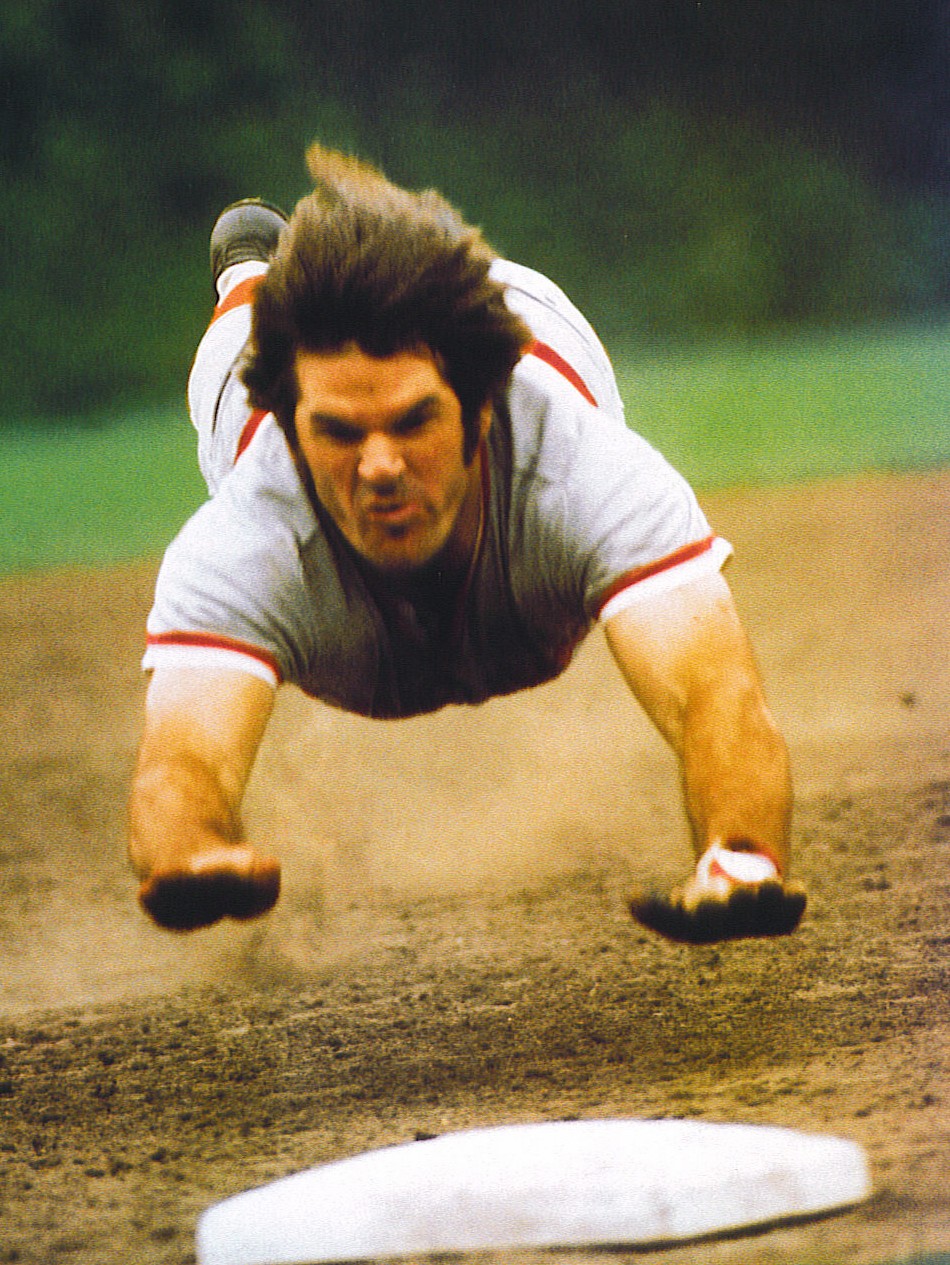
Pete Rose may have been a fool who  gambled on baseball, but he never, ever, failed to run hard to first base.

Pete Rose may have been a fool who gambled on baseball, but he never, ever, failed to run hard to first base.

The Washington Nationals’ blossoming star outfielder Bryce Harper provided a graphic lesson in the importance of these ethical values in the breach of them last night, when his lapse of character on the field contributed to a loss D.C.’s struggling major league baseball team could ill-afford.

The Nats have been one of the baseball season’s greatest disappointments. A team that had the best record of all last season and was widely favored to be a World Series contender, it has barely won more games than it has lost, and is hopelessly trailing the Atlanta Braves for the National League East championship. A wild card berth in this season’s play-offs also looked like a futile hope, until a recent winning streak and a flash of 2012 brilliance allowed fans to dream of a thrilling late-season comeback. It is possible, but time is running out, and every game counts. To have any chance, the Nats have to win games like last night’s against the sub-par Mets.

With the Mets leading 3-2, Washington had mounted a two-out rally, and had runners on first and second base. Harper, the team’s youngest, most exciting and most talented player was up at bat,  but he bounced an easy ground ball to the Mets second baseman. Clearly disgusted with his failure to come though in the clutch, Harper merely jogged to first base. If he had run hard, which was his trademark last season when Harper’s energy and enthusiasm made him an instant fan favorite, he would have reached first base safely, loading the bases, for the fielder unexpectedly booted the ball. But because Harper was loafing, the second baseman had time to recover and throw to first for the out. It was the last chance the Nationals had to tie the score, and they lost a game that the team needed to win. Continue reading

“Who Cares?” Ethics: The Key Question…Was This Employee Fired?

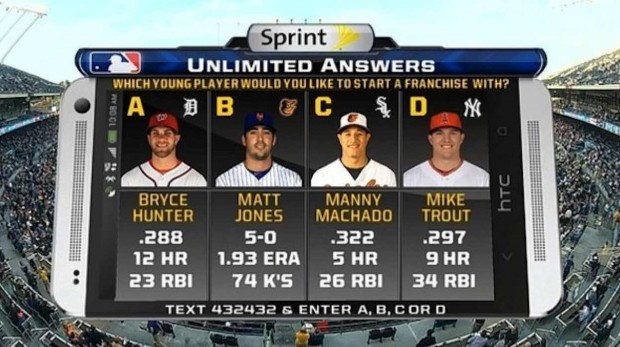
During a Kansas City Royals broadcast this week, the following graphic was displayed for the TV audience:

Mistake Screen

It has the following mistakes: Continue reading