Comment of the Day: “Why Our Children Will Grow Up To Be Cheats and Liars: The Little League Champs Are Banned For Cheating, And Are Told That They Should Be Proud”

Well, one out of three isn't...no, actually, it IS bad...

Well, one out of three isn’t…no, actually, it IS bad…

johnburger2013 contributes the kind of Comment of the Day Ethics Alarms doesn’t see very often: a researched follow-up to the original post that raises separate ethics issues. My post was about the cheating involved in the Jackie Robinson West team’s championship; John’s explores how the Little League itself behaved unethically, and attempted to duck its duty. I often can’t research the stories covered here beyond the aspects of it that sparked the ethics commentary, and in some cases, like this one, the result is an incomplete picture. I am grateful to John and every other commenter who goes the extra mile that my futile attempts to cover the vast ethics landscape miss, skip over, or neglect.

Here is his Comment of the Day on the post “Why Our Children Will Grow Up To Be Cheats and Liars: The Little League Champs Are Banned For Cheating, And Are Told That They Should Be Proud” :

I am not sure that Little League International has all that integrity. LLI was perfectly content to encourage the feel good story of underprivileged kids from Chicago’s South Side making it all the way to the series final, only to lose to South Korea. These players were honored by the White House and had photo ops with the President and First Lady. In a sport that has lost interest from the Black community, here was a heart warming story of the little guy making it big.

However, LLI had been on notice that the boundary and residency requirements had been manipulated, or outright disregarded, to create a team of ringers vying for the title. LLI wanted the narrative so it closed its investigation, only then to have its decision to blow up in its face because a reporter kept asking questions. This has turned into a huge ethics problem for LLI. Continue reading


Why Our Children Will Grow Up To Be Cheats and Liars: The Little League Champs Are Banned For Cheating, And Are Told That They Should Be Proud Anyway

Littel League champs

When the Tom Brady/ Bill Belichick/New England Patriots cheating issue was at high pitch [Aside: Notice how we have heard nothing about this at all since the Super Bowl, which the Patriots won. This is why NBC thinks it will get away with not firing Brian Williams…both the news media and the public have the attention span of closed head injury victims, especially when it comes to liars, cheaters and betrayal. They call this phenomenon “America’s belief in redemption.” It is actually is a product of America’s crippling domination by chumps, dolts, suckers….and people who are liars and cheats themselves.], a friend of mine brushed it all off saying, “It’s a game.” Well, children learn a lot about ethics from games, and if they learn that adults think cheating is acceptable (never mind that a billion dollar business is hardly just a “game”), they will cheat in their games, and later in life.

Today we learn that the inspiring 2014 Little League Champions, the Jackie Robinson West team that was the first all-African-American team to win the tournament, has been stripped of all of its wins, including those from its Great Lakes Regional and United States championships. As a result, the United States championship has been awarded to Mountain Ridge Little League from Las Vegas.

A Little League investigation revealed that the Jackie Robinson team, which was supposed to field a team exclusively from the Chicago South Side, secretly used an expanded boundary map. Team officials conspired with neighboring Little League districts  to build what was essentially an all-star team by acquiring players from well beyond the South Side. Continue reading

Ethics Alarms SPECIAL REPORT! Oxymoron Ethics: The Super Bowl Ads

super bowl ads

All Super Bowl commercials are unethical by definition: they aid, abet, reward and perpetuate the gruesome and deadly culture of pro football. I’ve written about that enough lately, however, so when I woke up with a leg cramp this morning at 4:46 AM, I decided to go online and watch the Super Bowl ads. Here is what I discovered:

1. Most Ethical Ad: Pampers

Yet another pro-birth ad during the Super Bowl! This one is especially well done, and for once babies aren’t used as mere adorable props to sell a product unrelated to babies. The spot shows a sonogram of a baby giving her first “hello” with a heartbeat playing in the background, and progresses to show the family’s “firsts” together, from ” first tears of joy” to “first first word.” The ad was especially welcome as a rebuttal to last week’s jaw-droppingly callous and absurd characterization of the abortion issue by MSNBC’s resident radical. Melissa Harris-Perry. She asked a guest,

“Are you at all distressed in the ways that I am about the idea that there is a separate interest between an individual and something that is happening in her body that cannot at that moment exist outside of her body? So, the idea, for example, that I would need a court’s permission for cancer treatment or the court’s permission for a surgery that would remove my hand. Like, if it’s my body, I guess I can’t understand why the state would have to give me permission.”

“Something that is happening” that “cannot exist outside her body”?  This is called “desperately stretching for a deceptive euphemism that avoids the central issue.” The Pampers ad focuses on that issue: more than one human life is involved here. Last year, Harris-Perry said,

“When does life begin? I submit the answer depends an awful lot on the feeling of the parents. A powerful feeling — but not science.”

That’s right: it’s a life if the parents think it is, otherwise it’s just like a tumor or a hand. I suspect that future generations will look back on such bizarre and intellectually dishonest arguments by the pro-abortion groups the way we regard the claims of slavery defenders who claimed that black’s weren’t really human. They will wonder how they managed to prevail in public opinion and policy so long using such obvious and vile nonsense.

One way they managed to prevail is that journalists went out of their way to avoid publicizing the aspect of the controversy that make abortion advocates squirm. For example, I reviewed six online ratings of the Super Bowl ads, and not one of them mentioned the Pampers spot, though commentary, ratings and videos of almost all the others were covered. Fascinating. Continue reading

Late Deflategate Update: Patriots Owner Robert Kraft Does A Full Corleone

Tom Hagen

Ruthless mob “Godfather” Michael Corleone had lied  to the fictional Congressional committee investigating organized crime. The smoking gun witness who had cut a deal to destroy Michael’s fake stance as a persecuted patriot and honest businessman had just been intimidated into recanting, seeing his older brother sitting with his targets and knowing that if he betrays the Family, his brother’s head would end up in his bed. So lies and corruption have triumphed, and as the scene from “Godfather Part II” fades, Michael Corleone’s lawyer, Tom Hagen, is shouting over the gavel and the crowd noise, to the disgusted and defeated Committee chair,

“SENATOR! SENATOR! This committee owes an apology, this committee owes an apology — an apology Senator!”

This memorable scene was immediately what my mind was jerked back to when I read New England Patriots’ owner Robert Kraft’s defiant statement regarding his team’s latest cheating scandal, in the section where he said…

“If the Wells investigation is not able to definitively determine that our organization tampered with the air pressure in the footballs, I would expect and hope that the League would apologize to our entire team and in particular, Coach Belichick and Tom Brady for what they have had to endure this past week. I am disappointed in the way this entire matter has been handled and reported upon. We expect hard facts as opposed to circumstantial leaked evidence to drive the conclusion of this investigation.”

I see now from a brief Googling of “Tom Hagen Robert Kraft” that I was not alone, and no wonder. Kraft’s guys have stonewalled, denied, mocked, deflected, tap-danced, and allowed loyal ethics-challenged sportswriters, bloggers and fans to block for them.  Belichick and Brady almost certainly have covered their tracks sufficiently to avoid their just desserts, and Kraft is demanding an apology when it is he who should be apologizing—to the NFL, to opposing teams, to New England, to Boston, and to the fans, for allowing a corrupt and unethical culture to flourish under his ownership. Has any criminal, having avoided conviction because he or she could not be found guilty beyond a reasonable doubt, had the chutzpah to demand an apology from the prosecution? Did Casey Anthony  or O.J., as despicable as they are, dare to rub society’s nose in their triumph like that? Continue reading

STUPIDITY SATURDAY Bonus: The Deflategate Deniers, Excusers, Rationalizers and Corrupters

dumb football fan

[This post took so long to write that I am posting it on Sunday. Pretty stupid.]

Every few months an ethics story erupts that convinces me that I’m wasting my time. I started writing about ethics online in disgust over the Clinton-Lewinsky scandal, which revealed to me that no politicians, few journalists and a tiny minority of the public understood the difference between, right, wrong, and a desperate rationalization. I was aghast at the vigorously nodding heads on talk shows when some ethically-challenged dolt would say that “everyone lies about sex” (so it’s okay), or that because other leaders may have had illicit sex, that made it acceptable, or that Clinton deserved special dispensation because he was an effective and popular President, or that he and Lewinsky were consenting adults, or that personal conduct was irrelevant to the job, or that other Presidents had done worse. These were all just lazy, poorly reasoned and culturally corrupting rationalizations, but nobody except a derided few seemed to know it.

So I’ve been writing about these and other ethics issues, including rationalizations, for about 15 years, and nevertheless, when something like the Patriots cheating scandal arises, I hear the same unethical, ignorant crap, as if nothing has changed. And, of course, nothing has. All I can hope to do, in conjunction with others who don’t want to see society devolve into a Hobbesian Hell, is to try to convince enough rational people that we can, by constantly explaining, arguing, and pointing the way, just keep things as barely endurably corrupt as they are now.

I got depressed just writing that last sentence.

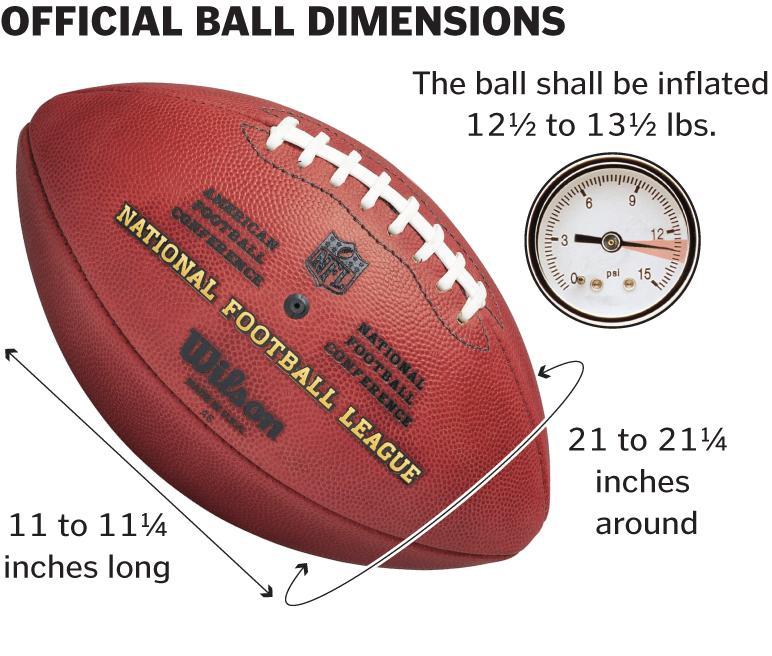
The issue regarding the New England Patriots giving their quarterback an edge by cheating—deflating the balls so he could throw more accurately–isn’t controversial or hard to understand. If the team broke a rule that relates to sportsmanship, the fairness of the competition and the integrity of the result, and it is hard to see how it didn’t, then the NFL should punish the team severely. [ The NFL, true to its black heart, has made it clear that its investigation will not allow a resolution of this until after the Super Bowl, meaning that it hopes the controversy will deflate. I’m sure it could resolve all questions and identify the accountable parties faster if it wanted to—it doesn’t want to.] To do otherwise essentially endorses cheating. Moreover, since the team involved has a head coach who has made it clear that he is willing to cheat (having been caught before), that coach must be held accountable for the unethical culture he has nurtured whether he was directly involved in this particular episode or not. This is truly Ethics 101, Management 101, Culture 101, Sports 101—let’s just call it “101.” Yet so many, from the elite among sportswriters to the public that devotes an obscene amount of their passion, time and money to following football just don’t get it. Continue reading

Comment of the Day: “Unethical Quote of the Month: Patriots Quarterback Tom Brady”

"Is this a deflated ball I see before me?"

“Is this a deflated ball I see before me?”

“Inflategate”—-the developing NFL scandal about the New England Patriots’ under-inflated, more easily thrown footballs in the team’s last play-off win and perhaps others—is a big deal to 1) people who hate the Patriots; 2) football fans who care about whether their game has any integrity and 3) people like me, who think there is no justification for cheating, in sports, in business, or in life. Those who argue that it’s “much ado about nothing,” usually without being able to quote a line or explain a plot turn from the Shakespeare comedy they’re alluding to, do so because 1) they are Barry Bonds fans; 2) they don’t know the difference between a football and a plantain, and don’t care. except that they wouldn’t want to eat a football by mistake; 3) they are typical NFL football fans and want to “oh, pshaw!”  anything that reflects badly on the sport that gives their brutal lives meaning, 4) they are John Edwards, or 5) they are members of the New England Patriots organization, and perhaps were involved in the ball deflation.

Pats quarterback Tom Brady (that’s how you know I’m from Boston: I call the team the “Pats”) gave a highly unconvincing press conference yesterday in which he maintained that he would never notice that the tool of his trade that he has plied approximately since he exited the womb felt different than usual, and, like his coach, the brilliant and soulless Bill Belichick, has no idea how the team’s balls got deflated. The credibility of that claim was severely undermined for me by Brady’s use (“This isn’t ISIS…”) of my least favorite rationalization of them all on the Ethics Alarms compendium, the infuriating #22:

The Comparative Virtue Excuse: “There are worse things” : If “Everybody does it” is the Golden Rationalization, this is the bottom of the barrel. Yet amazingly, this excuse is popular in high places: witness the “Abu Ghraib was bad, but our soldiers would never cut off Nick Berg’s head” argument that was common during the height of the Iraq prisoner abuse scandal. It is true that for most ethical misconduct, there are indeed “worse things.” Lying to your boss in order to goof off at the golf course isn’t as bad as stealing a ham, and stealing a ham is nothing compared selling military secrets to North Korea. So what? We judge human conduct against ideals of good behavior that we aspire to, not by the bad behavior of others. We should each aspire to be the best human being that we can be, not to just avoid being the worst rotter anyone has ever met.

Behavior has to be assessed on its own terms, not according to some imaginary comparative scale. The fact that someone’s act is more or less ethical than yours has no effect on the ethical nature of your conduct. “There are worse things” is not an argument; it’s the desperate cry of someone who has run out of rationalizations.

(Or someone whose coach had the equipment guy deflate the footballs.)

Now comes blogger Windypundit to expand on my derision of Brady’s embrace of #22 from a different and useful perspective. Here is his Comment of the Day on the post, “Unethical Quote of the Month: Patriots Quarterback Tom Brady”:

In a way, Brady has a point, but it’s not what he thinks it is, and it doesn’t cut in his favor. In the grand scheme of things, nothing that happens on the field of play is very important. In fact, most of the rules of sports are arbitrary — the location of the free throw line, the number of bases the runners have to tag, the pressure in the football. The rules don’t have any higher meaning. And that’s precisely why there’s no excuse for not following them.

The big issues — when you can disconnect the life support, when a cop can shoot an unarmed person, when the President can order a drone strike — are full of complications and nuance. It’s hard to come up with a clear set of rules that will apply in every possible situation. You may think you have it all figured out, and then a scenario arises that you never thought of, and your simple set of rules, if followed blindly to the letter, would produce a terrible result. So maybe after you think through all the consequences, you decide that you’ve found a valid exception, and you change the rules. Or maybe, if the matter is important enough and you believe the rules are immoral, you break the rules as an act of conscience.

But I can’t see that happening much in sports. There is no greater good that could be used to justify breaking the rules. What terrible result could arise from blindly following the rules of football to the letter? A team loses a game? That might cost the team a bit of money, and I can see where crazed fans would get upset, but you know what? Nobody dies if the Patriots don’t make the playoff. This isn’t ISIS after all.


Unethical Quote of the Month: Patriots Quarterback Tom Brady

Disappointed kid

“This isn’t ISIS. No one’s dying.”

–New England Quarterback Tom Brady, in the course of denying culpability in the latest New England Patriots cheating scandal.

Tom Brady now joins the Ethics Alarms Rationalization Spouter’s Hall of Fame, which I just started. You just can’t embody Rationalization #22, Comparative Virtue, or “It’s not the worst thing” any better than this obnoxious attempt to minimize the significance of Deflategate.

That’s the way to teach the kids to be fair competitors and good citizens, Tom! And does a star athlete whose attitude regarding cheating in his profession amounts to this fill you with trust in his integrity, honesty, and sportsmanship?

Not me.

Deflategate Ethics Verdict: Prove It, Then Ban Bill Belichick

FOOTBALL

It looks as if New England Patriots head coach Bill Belichick cheated…again. If the NFL cared about such mundane matters as integrity, fairness, honesty and ethics, it would take the kind of appropriate action any other organization is obligated to take when the evidence shows that a high-performing member of the organization is a rotten apple: throw him out, or at least discipline him and his team severely.

Will the NFL do this to the most successful play-off head coach in its history?

Don’t make me laugh. Continue reading

Ethics Quiz: The New England Patriots’ Loophole Victory

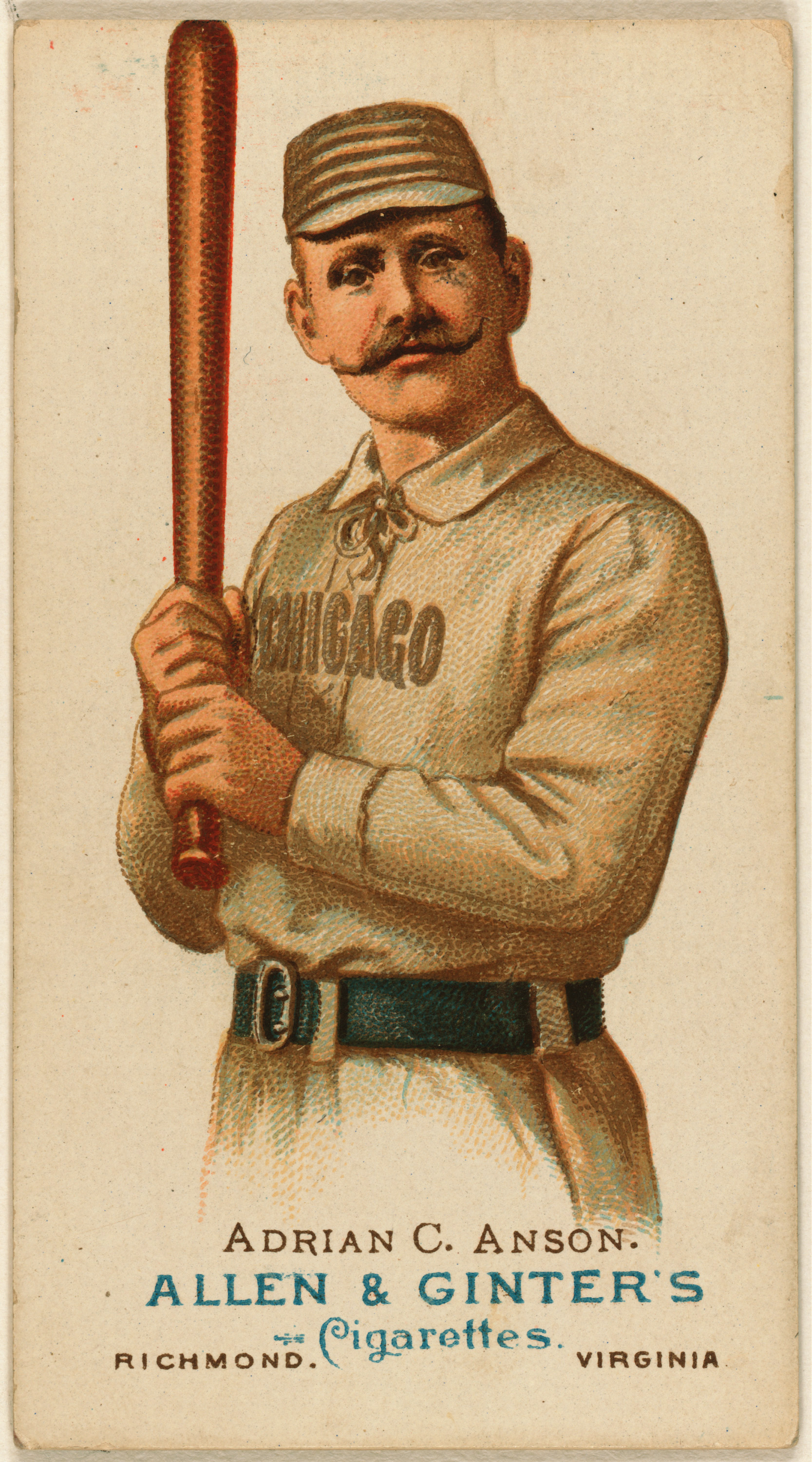
Cap Anson would have loved the Patriots strategy. If he wasn't dead, of course. And if they had football when he was alive....

Cap Anson would have loved the Patriots strategy. If he wasn’t dead, of course. And if they had football when he was alive….

On Saturday night, the New England Patriots ran a series of plays that exploited the complicated receiver eligibility rules, confusing the Baltimore Ravens and officials, and allowing the Pats, who were trailing badly, to get back into the game. They eventually won in a thriller.

Ravens head coach John Harbaugh was so upset during the sequence that he drew an unsportsmanlike conduct penalty. Later, he stopped just short of calling new England coach Bill Belichick a cheater. “[I]t’s a substitution type of a trick type of a thing,” Harbaugh told reporters after the game. “So they don’t give you the opportunity, they don’t give you the chance to make the proper substitutions and things like that. It’s not something that anybody’s ever done before. The league will look at that type of thing and I’m sure that they’ll make some adjustments and things like that.”  Indeed, the NFL will investigate whether the officiating crew gave the Ravens proper notice that an eligible Patriots player would be ineligible for a given play.

Let me quote NBC Sports to explain what happened: I barely understand it myself: Continue reading

Ethics Observations On The Dartmouth Cheating Scandal

DartmouthSixty four Dartmouth students have been charged with cheating in a special religion and ethics class that was designed for student athletes. The details can be found here.

1. The reports quote the professor as saying,

“Part of the reason I designed this course was that I had the sense that some athletes coming here to Dartmouth might have felt just a little bit overwhelmed or intimidated academically. I wanted to design a course that would appeal to their interests and allow them to have an early success in the classroom, and I’d hoped that they would be able to build on that success throughout their time at Dartmouth.”

Translation: The students were accepted for their athletic prowess, and this was a baby-steps course just for them.

Why is Dartmouth admitting students who need such phony courses?

2. An admittedly non-challenging course to allow athletes an easier route to graduation sends the clear message that integrity isn’t valued at the institution. The professor’s expressions of disappointment and sadness are either naive or disingenuous. The university was cheating to keep them in school: why should he be shocked that they would cheat in return? Continue reading