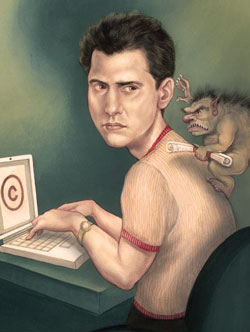
Ethics Dunce: Samuel French, Inc.

collage

A ridiculous and offensive example of misuse of legal process and interference with free speech was just flagged by self-exiled Ethics Alarms star, Barry “Ampersand” Deutsch on his blog.

In her one woman play Thatswhatshesaid, playwright Courtney Meaker cherry-picked lines from the female characters in the eleven most-produced plays of past theater season, according to one list, anyway. She mashed them up for effect, the effect being to show how “society forces women to conform to certain harmful and paradoxical gender stereotypes, and America’s most popular plays reflect those stereotypes. Playwrights perpetuate the patriarchy by creating roles for women that reduce them to one version or another of male fantasy or fear, and playhouses make sure those plays have a home.”

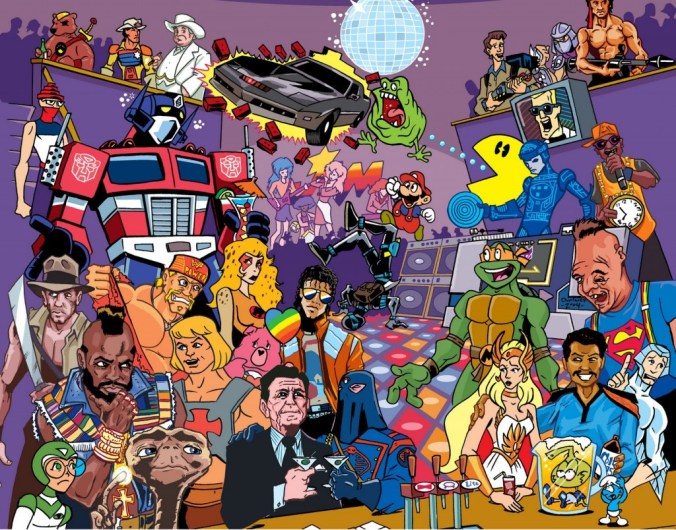
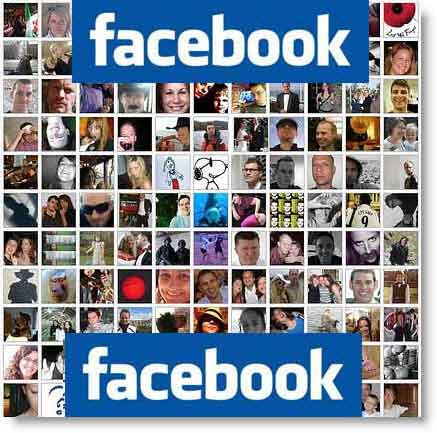
Okaaay, I think I’ll be passing on that one! Nevertheless, re-arranging bits and pieces of other copyrighted works to create a different work and message from any of the components is such a well-traveled and obvious tool of the modern arts that to say this play’s content is fair use, legal and ethical should be completely unnecessary. Collages that do this (see above) have been accepted as routine; musical works and videos too. Here’s a favorite of mine…

But law, ethics and art didn’t stop Samuel French, the theatrical publishing company which licenses some of the plays quoted in Thatswhatshesaid. The company  sent a last minute cease-and-desist notice right before a performance, demanding the play not be presented, and also left a threatening message on the voicemail of the show’s sole performer, Erin Pike, promising to “go after” her, “the presenter and the theater and all the folks connected to it.” Despite being warned by the theater not to defy the mighty French, Pike made sure her show went on anyway, like any good and courageous artist should.

What’s going on here? Continue reading

Ethics Dunce: RedState’s Moe Lane, Cheap Shot Artist

t

Bernie Sanders, or most likely someone on his staff since I doubt that the Bern is a micro-manager, made his campaign look foolish by sending Wikipedia a DMCA take-down notice demanding that Wikipedia remove  images of Sanders campaign logos on its Sanders page, on the dubious grounds that such use was a violation of copyright law. More embarrassing than the specious copyright complaint is the rather obvious fact that a campaign should want Wikipedia to publicize everything about it. The complaint, to be blunt, was dumb. (The take-down notice was retracted in short order.)

Moe Lane is a fairly nasty right wing blogger, and he gleefully reported Sanders’ Shame, which is certainly fair game for critics. He could not, however, resist this cheap shot headline:

Bernie Sanders yells at Wikipedia, cloud over… campaign logos?

If you don’t get the reference, it’s this: Continue reading

The Sixth Annual Ethics Alarms Awards: The Worst of Ethics 2014 (Part 2)

Rice and Janay

Ethics Corrupter of the Year

(Awarded to the unethical public figure whose prominence, popularity and success most corrupts the public’s ethical values)

Janay Palmer Rice, beloved punching bag of NFL star Ray Rice, who was caught on camera smooching with her man shortly after being cold-cocked by him in a hotel elevator, married him, and has repeatedly defended her husband, prompting confused female pundits to defend her. She is not only the embodiment of Rationalization #42. The Hillary Inoculation, or “If he/she doesn’t care, why should anyone else?”, she is also a good bet to get some young women killed by giving them a role model who stands for standing by your abusive man with the hard right hook.

Double Standard Of The Year

In a year of double standards, the treatment of soccer star (and accused child abuser) Hope Solo by her sport, feminists, the media and the public takes the prize. The standard, as I understand it, is that big, strong female athletes can beat up smaller, weaker family members with impunity, and it’s no big deal, but when a male athlete does the same, he is scum. Got it.

Uncivil U.S. Official of the Year

Victoria Nuland, Assistant Secretary of State for European and Eurasian Affairs and the top American diplomat in Europe, was caught saying in a viral Youtube video saying “Fuck the EU.”  Now that’s diplomatic. Of course, she wasn’t fired, because she works for the Obama Administration

The Jesse Jackson Award 

(For the Year’s Worst Amateur Diplomat)

mo_selfie_lg

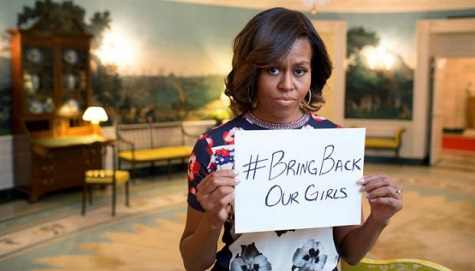
First Lady Michelle Obama, who helped her husband make the U.S. look weak and ineffectual (he needs no help), by engaging in this ridiculous effort at hashtag diplomacy. Those kidnapped girls were never found, and Boko Haram, the Nigerian terrorist group that took them, I learned today, just killed a reported 2000 more victims. Time for another sad picture, Michelle!

Most Unethical Sports League

The NFL, last year’s winner, was even more unethical this year, with the Ray Rice and Adrian Peterson fiascos, Commissioner Roger Goodell showing no innate instinct for right and wrong and both the league and its teams making up rules and policies according to talk show calls, polls and wet fingers in the air. Meanwhile, it’s still making billions paying young men to lobotomize themselves. What a great sport.

Sports Cheat of the Year

Alex Rodriguez, suspended Yankee star, had denied, denied, denied, threatened to sue Major League Baseball and the union, and insisted that he had not, as an investigation had determined, used performance enhancing drugs supplied by Biogenesis. Then, just as his season-long suspension was lifted, it was revealed that A-Rod had, under oath, admitted using steroids from 2010 to 2012.

Annual Sports Ethics Controversy That Gets Worse Every Year

Steroid cheats (like Rodriquez) and their fitness for admission to Baseball’s Hall of Fame

Unethical Lawyer of the Year

Michael Fine, the Ohio lawyer who allegedly hypnotized female clients in order to sexually molest them.  Runner Up Alexa Van Brunt. She didn’t do anything unethical; she just advocates ethics rules that would eliminate the core of legal ethics, proving that she doesn’t understand her own profession.

Unethical Judge of the Year

judge_mccree

Wade McCree, the handsome devil pictured above (he circulated this selfie), who, presiding over a felony child-support case, conducted a secret sexual relationship with the woman seeking support from the defendant. This was just the latest of his embarrassments.  Runner up: Texas District Judge Jeanine Howard, who handed down a stunningly lenient sentence of probation and 250 hours of community service at a rape crisis center for a man who confessed raping a 14-year old girl at her school.


Unethical National Broadcast Journalist Of The Year

CNN’s Carol Costello. She was biased, smug and incompetent all year long, but reached her nadir when she gleefully played a recording of Bristol Palin explaining to police how she had been assaulted, saying to her viewers, “You can thank me later.” She refused to apologize on the air, or to Palin. Continue reading

The Wall Street Journal Steals From A Blogging Lawyer…Luckily For Them, A Nice One

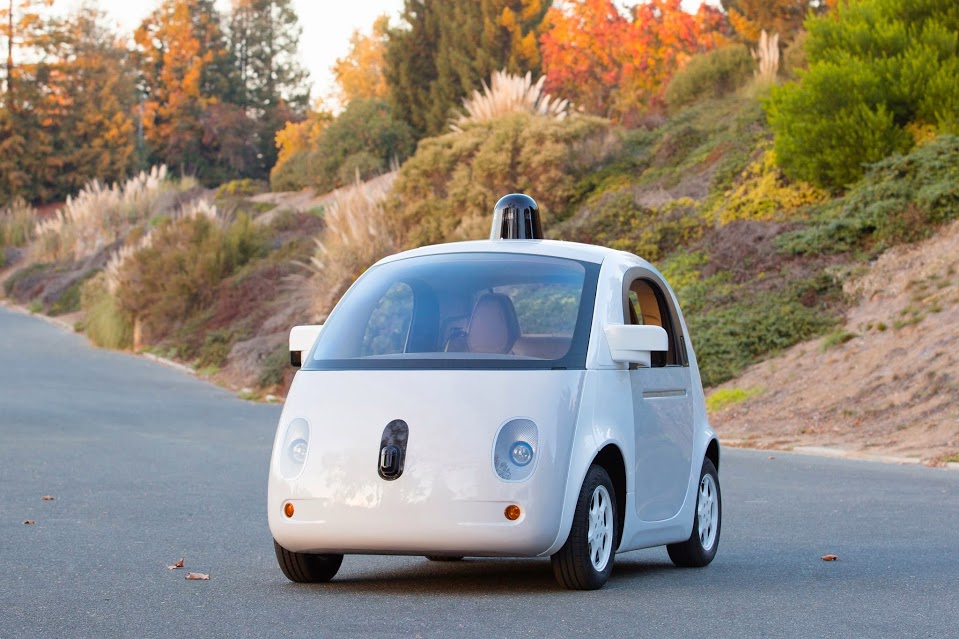
A lawyer asks: Will Google Cars put me out of business? The Wall Street Journal  asks: Why shouldn't we make money off your answer?

A lawyer asks: Will Google Cars put me out of business? The Wall Street Journal asks: Why shouldn’t we make money off your answer?

I always do a double-take when I see that someone has “re-blogged” a piece from Ethics Alarms. Unless there is something in my WordPress agreement that allows other bloggers to lift my work and publish it as their content without my permission—oh, who knows, there probably is—this is a copyright violation, but worse than that, it’s wrong. Apparently they think that if they give attribution, that makes everything fine. Why would they think that? I’m writing for my blog, not anyone else’s. If a blogger wants to reprint all, most or some of my commentary in order to critique it, that’s fine ( WindyPundit is doing this right now). But lifting all or most of my work to fill space on your website, without my permission? Not fair, and not ethical.

This just happened to personal injury lawyer and estimable blogger Eric Turkewitz, but the culprit wasn’t a blogger, it was the Wall Street Journal. It took his post about Google Cars and just slapped it into the print and online editions of the paper. “Lawyer Eric Turkewitz writes that self-driving cars will hurt the business of many personal-injury attorneys,” said the sub-head under “Notable and Quotable.” Hmmm. Usually a writer gets paid to write features for a newspaper. I guess just lifting copy without permission is “Fair Use.”

No, First Amendment expert Marc Randazza points out in his typically irreverent way, it isn’t:

In this case, the Wall Street Journal used 44% of Turkewitz’ post, with no additional commentary, criticism, or discussion.  The WSJ could have called Turkewitz a moron for his views, and quoted the whole thing (theoretically).  Or, the WSJ could have given approval, more discussion, or turned the article into piece of art, with spray painted Che Guevaras and stencils of Paris Hilton, as a commentary on Turkewitz, tomato soup, and golf, or whatever.  But, they didn’t do any of that.  

So lets look at the §107 [Fair Use]factors

(1) the purpose and character of the use, including whether such use is of a commercial nature or is for nonprofit educational purposes;
(2) the nature of the copyrighted work;
(3) the amount and substantiality of the portion used in relation to the copyrighted work as a whole; and
(4) the effect of the use upon the potential market for or value of the copyrighted work.

The purpose and character of the use is certainly commercial and for profit. The WSJ sold its newspaper with Turkewitz’ work in it, and even put it behind its paywall online. Same exact use, except WSJ took what Turkewitz distributes for free, gathered it, and sold it.

The nature of the copyrighted work was Turkewitz’ original opinions and thoughts.

The amount and substantiality of the portion used? 44%. Pretty substantial. Remember, this is not dispositive, but if you used almost half of an original work, you better have a good reason.

The effect of the use on the potential market for the value of the copyrighted work? That’s sorta iffy. It isn’t as if Turkewitz sells his work. But, that is not a requirement. Turkewitz’ blog currency is readership. If you do some quick online searches for some of the content, sometimes the WSJ version comes up above Turkewtiz’ version. Not cool. Ultimately, the WSJ blew it here because they didn’t add anything to the original — they just lifted it and reposted it….

So the verdict? The Wall Street Journal is definitely guilty of copyright infringement for lifting a bloggers’ work without any justification.

It’s worse than that, however. Continue reading

Ethics Quiz: The Macaque’s Selfie

Macaque

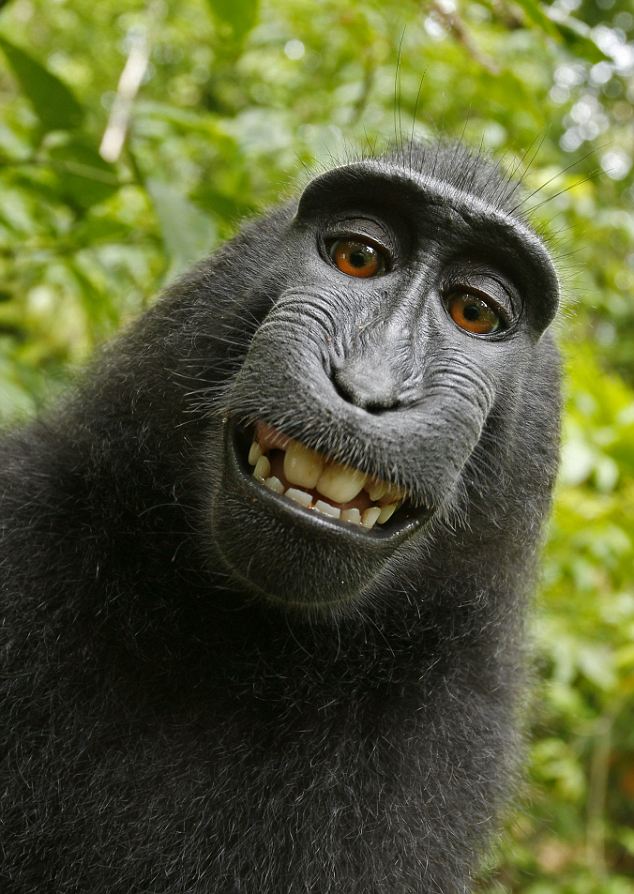
The wonderful photo above has gone viral on the web, and is also causing serious debate among intellectual property lawyers. The weird tale is as follows:

Wildlife photographer David Slater was visiting a national park in North Sulawesi to photograph the wildlife. His subject was a group of crested black macaques, and when he left his camera unattended, the primates took advantage of the opportunity. Apparently attracted by the reflection and the noise the camera made when activated (the implications of the macaques doing this because they were interested in photography are too disturbing to contemplate, so I won’t),  one macaque took hundreds of photos of itself. Most were blurry and out of focus, just like the pictures my dad took, but a few were superb selfies that would have Ellen DeGeneres eating her heart out.

Wikimedia took the clear images off of Slater’s website, adding them to its collection of royalty-free graphic, and sending them all over the web as a result.  Slater now demands that the images be taken down or that he be paid for them. While Wikimedia argues that either the monkey owns the copyright for the photos or nobody does, the photographer claims that being the owner of the camera, and the artist who created the circumstances under which the macaque was inspired to release his inner Richard Avedon, he alone is the owner of the photographs.

As you might expect, copyright law is unclear on the issue of lower primate selfies, an art form that was not anticipated as the law evolved. I don’t care about that: today’s Ethics Alarms Ethics Quiz is about fairness:

Should Slater have full ownership of the macaque’s creations?

Continue reading

Facebook Ethics: Making Your Facebook Friends As Ignorant As You Are

Foto-Facebook

All of a sudden, for some unknown reason (maybe THIS story!) there is an avalanche of Facebook users posting this language, or the equivalent:

Now that there has been a change in Facebook’s privacy policy, I am making the following change: I do not give Facebook or any entities associated with Facebook permission to use my pictures, information, or posts, both past and future. By this statement, I give notice to Facebook it is strictly forbidden to disclose, copy, distribute, or take any other action against me based on this profile and/or its contents. The content of this profile is private and confidential information. The violation of privacy can be punished by law.  NOTE: Facebook is now a public entity. All members must post a note like this. If you prefer, you can copy and paste this version. If you do not publish a statement at least once it will be tactically allowing the use of your photos, as well as the information contained in the profile status updates. DO NOT SHARE. You MUST copy and Paste.

================================
PRIVACY NOTICE: Warning – any person and/or institution and/or Agent and/or Agency of any governmental structure including but not limited to the United States Federal Government also using or monitoring/using this website or any of its associated websites, you do NOT have my permission to utilize any of my profile information nor any of the content contained herein including, but not limited to my photos, and/or the comments made about my photos or any other “picture” art posted on my profile. You are hereby notified that you are strictly prohibited from disclosing, copying, distributing, disseminating, or taking any other action against me with regard to this profile and the contents herein. The foregoing prohibitions also apply to your employee, agent, student or any personnel under your direction or control.

The contents of this profile are private and legally privileged and confidential information, and the violation of my personal privacy is punishable by law.

UCC 1-103 1-308 ALL RIGHTS RESERVED WITHOUT PREJUDICE.

Impressive!

Scary!

Legal sounding!

But oh so wrong in every way. Continue reading

Here Is A Law Suit To Root For

birthdaycake1The continuing charging of licensing fees for commercial use of that most public of songs, “Happy Birthday,” has been an annoying anomaly for as long as I can remember. Why did TV families always sing some lame approximation or substitute when a character had a birthday? Just last week, I expressed my chagrin when Tom Selleck’s extended family on “Blue Bloods” brought out  granddad  Len Cariou’s birthday cake, blazing with candles, as they sang, “For He’s A Jolly Good Fellow!” Who sings that at a birthday party today? People who don’t want to be held up for the licensing rights for a song over a century old, that’s who. I believe the first time this issue imposed itself on my consciousness was when they sang some lame birthday song stand-in on “The Flintstones.”

Jennifer Nelson, a film-maker, has had enough. She was producing a documentary movie about the song, and naturally wanted it to be performed at one point in her film. Like many before her, she was told she would have to pay $1,500  via a licensing agreement with Warner/Chappell, the publishing arm of the Warner Music Group, which acquired the rights to the song  in 1988.  Nelson’s company paid the fee and is now seeking certification for a class action law suit arguing that “Happy Birthday”  is in the public domain, and has been. Warner/Chappell collects about $2 million a year in licensing fees for it, and the suit seeks return of the  fees it collected over  the last four years. The lawsuit cites the research of Robert Brauneis, a professor at the George Washington University Law School and the author of a 68-page article titled “Copyright and the World’s Most Popular Song.” In the study, Professor Brauneis demonstrates, to his satisfaction at least, that the Hill sisters,  Mildred and Patty, wrote a song in the late 1800s with the same melody called “Good Morning to All.” Nobody is certain who wrote the lyrics referring to a birthday, but it was in popular use as early as 1911. Continue reading

David Foster Wallace (1962-2008) On Being An Ethical Adult

David_Foster_Wallace

The late author David Foster Wallace—who committed suicide in 2008, the victim of depression— gave a wise, inspiring, ethically-astute  commencement address to the graduating class at Kenyon College in 2005. The speech was later published as a book in 2009 under the title “This Is Water.” It was recently made into a vivid video, and has been viral on the internet. You can see it here, at least for a while.

If the video sends anyone to Wallace’s other works, it has done good; if it causes people to ponder what ethics really means, for that is what Wallace was talking about, it had done better. Apparently the David Foster Wallace Literary Trust is in the process of ordering that this video be taken down as copyright infringement, which if his words belong to the Trust, is their right. I wish they wouldn’t; I think letting Wallace’s eloquent life lesson reach as many people as possible, especially young people, would be both ethical and consistent with the values and aspirations of Wallace himself, but it is not my decision to make. I am a little conflicted about sending you to the link, in fact, if the piece was, in effect, stolen. I am applying utilitarian balancing here.

You can also read his speech, presumably legally, here, where it was republished upon his death. The essence of it is in this passage:

“The really important kind of freedom involves attention, and awareness, and discipline, and effort, and being able truly to care about other people and to sacrifice for them, over and over, in myriad petty little unsexy ways, every day. That is real freedom. The alternative is unconsciousness, the default setting, the “rat race” – the constant gnawing sense of having had and lost some infinite thing.”

__________________________

Pointer: Tim LeVier

Sources: Upworthy, The Guardian

Ethics Alarms attempts to give proper attribution and credit to all sources of facts, analysis and other assistance that go into its blog posts. If you are aware of one I missed, or believe your own work was used in any way without proper attribution, please contact me, Jack Marshall, at  jamproethics@verizon.net.

Credit Ethics: New Ethics Alarms Policy

The sound of my palm belatedly smacking my expansive forehead

What will heretofore be referred to as “The Mary Frances Prevost Affair” has its silver lining. Watching another blogger incorporate the main body of my blog post into her own by-lined essay without credit or attribution has caused me to do a lot of thinking about the inadequacy of credit and attribution in the blogosphere  generally, with a relatively  few exceptions. Most of these are blogs written by academics who hold to the standards of their profession rather than the much looser practices of the internet. It also caused me to wake up to the inadequacy of my own attribution practices on Ethics Alarms. I have never taken an entire post from another source and represented it as my own, but I have frequently taken a factual account of a story from another website that itself was essentially  republishing, for example, an AP story, put the facts in my own words, sometimes with a stray phrase remaining, and not credited either source. I have often derived information in a post from multiple news sources but only linked to the one that I felt related the event the most thoroughly and clearly. Another writer’s work has sometimes sparked an idea for a post that was substantially different, and I have not credited the source of that spark.

All of this is common practice in blogging, but it is still wrong, and sloppiness is always a slippery slope. In the wake of “The Mary Frances Prevost Affair,” a colleague alerted me that I had included one complete sentence and part of another in an Ethics Alarms post that were identical to the post of another writer on the same subject. I didn’t even recall using the source, but upon going over my notes, I found that the earlier post had supplied me with the bulk of the facts I relied upon, though not the analysis of them. . I immediately contacted the author to apologize, and he was gracious and understanding. Nonetheless, this should never happen, especially on an ethics blog.

Therefore, as of today, Ethics Alarms will maintain a strict policy of crediting all sources that go into the inspiration, research and writing of the posts here. Links in the body of the text will be either be for informational purposes only, such as when I make a gratuitous cultural reference that nobody under the age of 50 is likely to recognize, or to back up direct quotes. At the end of each post, there will be credits and/or links listed, when appropriate, in some or all of the following categories: Continue reading

The Perplexing Law and Ethics of Copyright Violations On The Web

For once I’m not going to try to summarize a useful article, but will just suggest that you read it. From the future (the article is mysteriously dated May 1, 2012), journalist Eriq Gardner tells of his experience with Righthaven, the organization that was created explicitly to sue bloggers and others for copyright violations on the web. He tells of how he came to believe that the defenders of copyright law, not those who would destroy it, had fairness, logic and ethics on their side.

The article is well-timed, given my current travails with an unapologetic plagiarist, and my own position on copyright, which is consistent with the author’s. It also features a guest appearance by attorney Marc Randazza, the First Amendment specialist who came to my aid when  I was threatened with a lawsuit over an opinion someone didn’t like.

The article, titled The Righthaven Experiment: A Journalist Wonders If a Copyright Troll Was Right to Sue Him, is well worth your time.