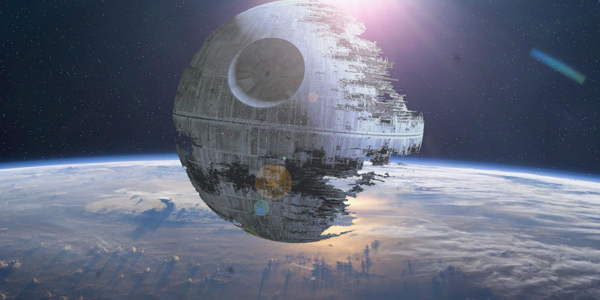
“ETHICISTS GENERALLY HAVE LITTLE TO OFFER, AND THAT INCLUDES ASTROPHYSICISTS ACTING AS ETHICISTS”
—Conservative blogger and pundit Professor Glenn Reynolds, reacting to the “Ars Technica” post, “Are we ethically ready to set up shop in space?”
I agree with Reynolds completely, and the article that prompted his dismissal of my field (except in rare cases, hence “generally”) deserved it.
It begins (the author is Diana Gittig, who “received her B.A. in Biochemistry from the University of Pennsylvania, and then a Ph.D. in Cell Biology and Genetics from Cornell,”and “is a freelance science writer and editor in New York’):
Off-Earth will amaze you: On nearly every page, it will have your jaw dropping in response to mind-blowing revelations and your head nodding vigorously in sudden recognition of some of your own half-realized thoughts (assuming you think about things like settling space). It will also have your head shaking sadly in resignation at the many immense challenges author Erika Nesvold describes. But the amazement will win out. Off-Earth: Ethical Questions and Quandaries for Living in Outer Space is really, really good…
The chapter headings, all of them questions, give a great indication of the issues she highlights in the book. Should we even settle space? Why? Who gets to go? How will property rights be distributed and finite resources be allocated? Do we need to protect the environment in space? How will we do that? What happens when someone breaks the rules or needs medical care? What if that person is the only one who can fix the water purifier? Underlying all of these questions, as yet unaddressed by any public or private institution currently shooting rockets into the air: who gets to decide?
Many of these issues have been dealt with, extensively, in fiction. But Nesvolt doesn’t really mention these works except to caution against the risk of taking them as prophecy.
Had it not triggered my bullshit alarm so thoroughly, I might have stopped reading there. Wait: this brilliant author supposedly explores the ethical hypotheticals that have been exhaustively examined by over a century of science fiction writers in literature, movies and TV without mentioning them? That’s unethical! It’s incompetent, irresponsible, unfair and disrespectful: the book is discredited as a trustworthy source of ethics analysis at the outset.
It is the final paragraph of the brilliant reviewer of the allegedly brilliant astrophyicist-ethicist’s revelations, however, that conclusively proves Reynold’s assessment is spot on. Ready?




 Ethics Alarms