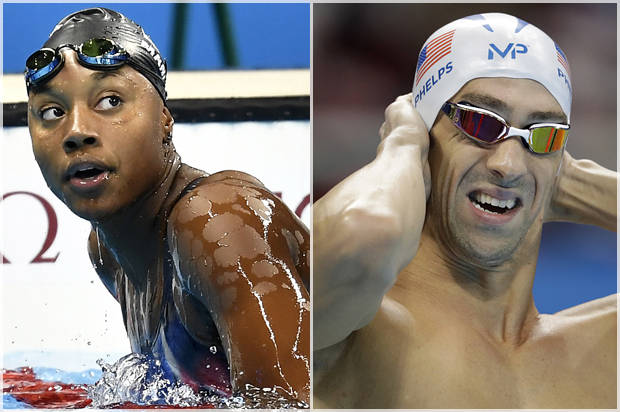
Salon is hailing what it calls a “10” apology (that would be a Category One apology on the Ethics Alarms Apology Scale) from the San Jose Mercury News. My tireless ethics story scout sent the Salon account to me for a reaction, and here it is.
To be fair to Salon, though the headline is “An Olympic-sized gaffe: This newspaper’s apology, at least, gets a perfect 10,” the story doesn’t match the headline. (There’s a lot of that going around lately.) What the post said was,
“So let’s give a modest round of applause this week to San Jose’s The Mercury News, for at least hitting the bar of appropriate responsiveness after screwing up its initial coverage of Thursday’s historic night for the U.S. Olympic swim team.”
I find nothing incorrect about that assessment, if I accept the premise that the paper screwed up, which I only do mildly, if at all. Salon’s angle is that there is generally a reluctance to apologize, so the San Jose Mercury News being willing to apologize is newsworthy all by itself. Actually, newspapers apologize all the time; not enough, but frequently.
So why is this apology so important? This is Salon, remember. It’s an apology for perceived racial insensitivity, which in Salon’s politically correct world is about the worst crime there is.
Last week, 31-year-old Michael Phelps scored his 22nd career gold medal in the 200-meter individual medley. The same night, Simone Manuel, 20, tied with Canada’s Penny Oleksiak in the 100-meter freestyle to win an individual gold medal in swimming, and set a new Olympic record. The Mercury News headlined the night “Olympics: Michael Phelps shares historic night with African-American.”
The Horror.
To Salon, this headline demanded an apology, and the paper received some complaints. Why was it apology worthy? Here’s Salon, which first took offense that Manuel wasn’t named in the headline: Continue reading





 Ethics Alarms