
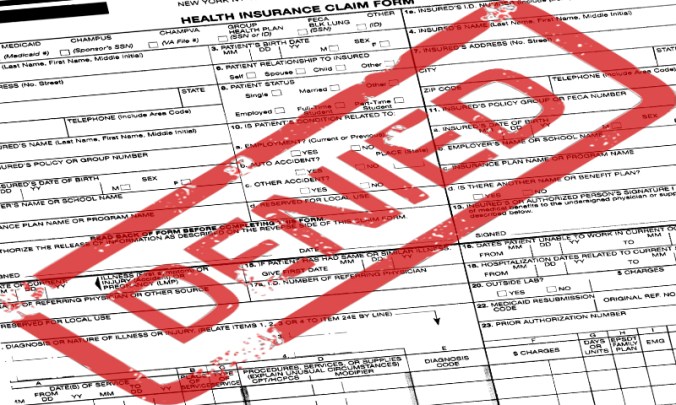
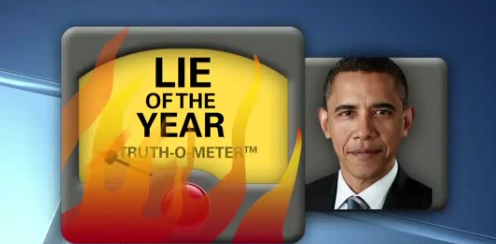
Those of you who have emailed concern that my field, this blog and the task of exploring the depths of dishonesty in our national politics will make me cynical, I can officially assure you that so far, I am unsullied. Here’s the proof: I am actually surprised that the national news media so eagerly accepted whatever it was the President said in mitigation of his 3.5 year long Affordable Care Act lie as an “apology.”
It was clearly not an apology. Yet in a rare show of solidarity, reporters right and left rushed to their respective keyboards to dash out “President apologizes!” The solidarity was illusory, of course: while the Right wanted to say the President apologized as proof that all the rationalizations, excuses and tortured explanations from Obama’s allies and enabler were as phony as his assurances, and now, by apologizing, the President had admitted it, the Left’s motive was to pronounce the scandal over so the President could “move on.” Okay, he’s apologized; what more do you want? This is confirmation bias, leading to different mistaken conclusions: both conservatives and liberals heard what they wanted to hear. What they should have heard was an incoherent expression of regret without accountability, retraction, admission, or contrition…in short, not an apology at all.
On the Ethics Alarms Apology Scale, I see no way to rank what the President actually said to NBC’s Chuck Todd as anything better than a 9 or 10 (I’d call it an ugly hybrid of the two), on the scale, the Stygian realm where dishonest, manipulative, non-apology apologies dwell:
#9. Deceitful apologies, in which the wording of the apology is crafted to appear apologetic when it is not (“if my words offended, I am sorry”). Another variation: apologizing for a tangential matter other than the act or words that warranted an apology.
#10. An insincere and dishonest apology designed to allow the wrongdoer to escape accountability cheaply, and to deceive his or her victims into forgiveness and trust, so they are vulnerable to future wrongdoing.
Here is the section of the interview that generated the “apology.” Todd, who has said that he felt he had to pull an apology out of the President, began the “apology’ sequence (emphasis is mine): Continue reading →



 Ethics Alarms