The Emmys Play Favorites And Undermine Their Mission

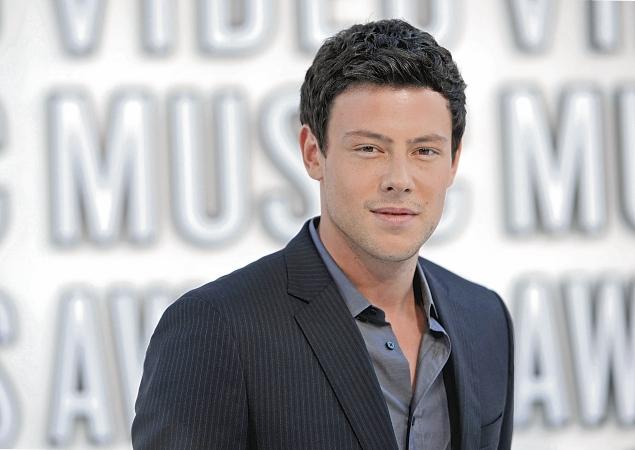
Quick, now...and no cheating: Who is this recently deceased TV legend?

Quick, now…and no cheating: Who is this recently deceased TV legend?

Three separate organizations present the Emmy Awards: the Academy of Television Arts & Sciences (ATAS), the National Academy of Television Arts & Sciences (NATAS), and the International Academy of Television Arts & Sciences. Each is dedicated to the television industry, and the award the organizations collaborate to  hand out for excellence are intended to serve multiple objectives. Prime among them is to honor and promote the professionals who bring—in theory, at least, quality entertainment into the homes of Americans. The show itself that broadcasts the awards only exists because of their larger mission, which is to say that the Emmy show exists to support the Emmys, not the other way around. The program’s producers, not for the first time, managed to forget their priorities this year, and are getting well-deserved scorn for it both in and outside the entertainment community.

The offense occurred during Sunday’s live telecast, when the show reached its annual “In Memoriam” segment. The Oscars have botched this crucial part of its own show in recent years by failing to recognize the deaths of important Hollywood figures who deserved their final bow and a last ovation. Emmy found a new and different way to insult its own. The Oscars’ omissions were negligent; the Emmys insult was, incredibly, intentional. It’s just that either nobody realized it was insulting, or, more likely, they knew but had other objectives. Continue reading

Presenting the Ethics Alarms Heroes’ Hall Of Honor

remember

Today, the anniversary of September 11. 2001, American minds should be occupied with thoughts of gratitude for heroes, the often anonymous and unknown people we may pass in the street every day, as well as the justly famous and celebrated, who make our lives and many others better by living their own selflessly and well. They are our salvation, role models and neighbors, and they teach us the lesson that all is never lost, and hope is always thriving, as long as there are good and courageous people who will do the right thing, no matter what the cost, when fate turns to them.

This seems like a propitious time to dedicate the Ethics Alarms Heroes Hall of Honor, the list of the Ethics Heroes Emeritus whose stories have been told here (and on this site’s predecessor, The Ethics Scoreboard.) Every current member of the Hall is now deceased, like the brave men and women who died this day, 12 years ago. Each of them, in a unique way, teaches how human beings can rise above the vicissitudes of mere survival, self-interest, personal benefits and the base desires of the species  to live  meaningful and virtuous lives. Some accomplished this over decades, some with one brilliant and transforming act of distinction.

There are currently 32 members enshrined in this virtual Hall. Obviously, it is far from complete. They are just symbolic representatives, worthy ones, of millions more who once breathed the same air we do today, and like those who perished twelve years ago, face the prospect of being forgotten over time, as we all go about the consuming task of getting from one day to another. Each one of us, I believe, is capable of emulating their example.

Here are the thirty-two members and their stories, as of this date,

September 11, 2013... Continue reading

Ethics Hero Emeritus: Actress Jean Stapleton (1923-2013)

Edith Bunker, being stifled.

Edith Bunker, being stifled.

Jean Stapleton, the superb character actress best known as “Edith Bunker” from “All in the Family,” has died. She exemplified the actor who, given the chance to use her talents for cultural good beyond mere entertainment, not only did so but did so beyond all reasonable expectations.

Edith Bunker, the submissive, not-too-bright, loving, loyal and thoroughly confused character she played on the 70’s sitcom, always broke my heart. I found Stapleton’s portrayal difficult to watch, even when she was too funny to resist. Edith was an abused spouse who didn’t realize she was being abused. I think many women who were similarly abused resolved to change the course of their lives because watching Stapleton accept being “stifled” and insulted by the man she loved made them recognize the pattern they had accepted too. Yet Edith Bunker, in Stapleton’s hands, made “All in the Family” more than the portrait of a redneck bigot and his enabling wife, broadcast to be mocked by smugly liberal viewers reveling in their intellectual and moral superiority. We felt Archie was redeemable—as indeed the show slowly revealed that he was—-beyond his hard-wired prejudices, in part because such a sweet, good woman loved him. (The other parts included the superb writing of the characters and Carroll O’Connor’s nuanced Archie.) What an achievement Stapleton accomplished by playing a negative stereotype in a way that both promoted sympathy, understanding and rejection, while never becoming so ridiculous that the audience stopped caring about her. She deserved every one of her eight Emmy nominations and three awards: in fact, she smoked the competition every year. There wasn’t a better or more important  performance, male or female, on TV while “All in the Family” was on the air.

That’s not why Jean Stapleton is an Ethics Hero Emeritus, however. Continue reading