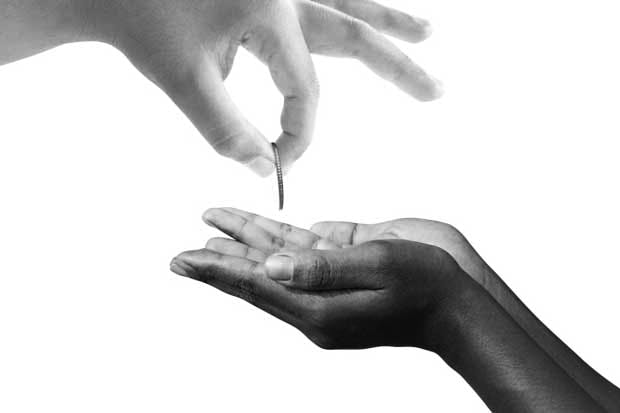
Reparations for slavery are 1) impossible 2) unaffordable 3) offensive, and 4) guaranteed to worsen race relations rather than repair them, but as long as progressives feel the need to pander to a victim mentality among blacks and think they can prosper by professing to support what they must know is a cynical fantasy, we will continue to hear about them. Ethics Alarms, in turn, will have to keep noting the proposal is unethical.
We got a classic example of the kind of “logic” applied by reparations-mongers when one of the more obscure and unqualified contenders for the Democratic Presidential nomination—you can imagine how obscure and unqualified that must be—announced her support for taking the money from other races to enrich anyone who identifies as the offspring of slaves. Marianne Williams—quick, now, who is she?—told CNN over the weekend,
“It’s simply a debt we owe. This country will not heal until we take a serious moral inventory. A nation must undergo the same level of deep moral inventory [and] admission of our character defects. Racism is a character defect. Let’s end this. Let’s fix this. Let’s solve this. Reparations won’t end everything but it will be a profound gift. It implies a mea culpa. It implies a recognition of a debt owed and therefore, it carries not only economic power but spiritual force — whatever it costs, it’s time to do this.”
Sure.
Here is A.M. Golden’s Comment of the Day on the post, Reprations Again.
I’ll be back with a brief comment after A.M. has his say.
I oppose reparations. It’s no better than the lottery or a medical settlement.
In the Black Community, the concept of “Giving Back to the Community” is huge. It’s expected that, if you run a business in the neighborhood, you will use your largess to help your neighbors. This is, in part, why Asian-owned businesses that tend to be family run get flack because they don’t hire within the community. A wealthy resident or a business owner is made to feel obligated to fund a community center or food pantry (though this is really just making the lottery winner a forced charitable organization or even an extension of government). But, in many cases, “Giving Back to Community” means that you just hand over money to people as loans that are, in actuality, gifts.
I remember attending a sci-fi convention a few years ago with a notable black actor who spent many years working at his trade before becoming famous. At his Q&A session, he talked about a charitable organization he is involved with that sends minority children out into a type of summer camp in open places like Montana so they can be exposed to nature and a different environment. Halfway through the panel, an African-American fellow walked in, sat down, raised his hand and asked what the actor had done to “Give back to the community”. The actor then repeated his earlier description of his charitable work. After that, the newcomer left…probably to go into other Q&A sessions to determine if other black actors were pulling their weight. Continue reading
 Ethics Alarms