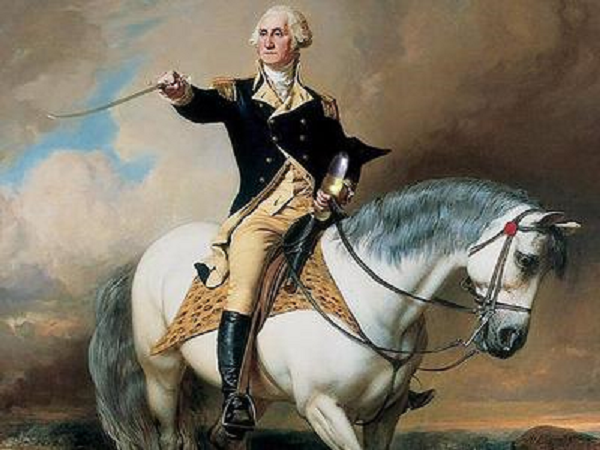
“I have never trusted the people who want to be President, and I have despaired over the structural problem that we’re always stuck having to vote for somebody who has strongly desired the presidency.”
—-Ann Althouse, in a very strange blog post in which she sympathizes with Kamala Harris for what Althouse sees as a weariness and dislike of campaigning.
I suppose it is good to know that Althouse doesn’t comprehend the nature of leadership, leaders and the people who aspire to be leaders, but as someone who has studied leadership for a long, long time as well as having done my share of leading (and leadership is one of the major topics of this blog), I must say that her comment is perplexing to say the least.
Leadership is a special role that requires special traits, talents and abilities, and one of those traits is believing oneself to be a leader while being willing to accept the responsibility leadership requires. The greater the responsibilities a leadership position entails, the more essential it is that a leader be confident in his or her ability to meet those responsibilities, and seek the burden they confer.
Stating that one does not trust people who want to be President to be President is like saying you only trust a doctor who never wanted to be a doctor. It makes no sense. Every one of our best and most acclaimed Presidents demonstrated their leadership abilities at a young age and actively sought leadership, proceeding to the next stage after demonstrated success. We have had a few reluctant Presidents, all Vice-Presidents thrust into a job they didn’t expect, and some, notably Chester A. Arthur, managed to overcome their lack of an appetite for leadership to do a workmanlike job. Other so-called “accidental Presidents,” notably Teddy Roosevelt and Lyndon Johnson, were natural leaders and thrilled to become President.
There are plenty of reasons to distrust the so-called “leader type.” Most, if not all are narcissists. Power does corrupt, and many who seek power and who are skilled in using it are also often drawn to the abuse of power for to less than admirable motives. Nevertheless, leadership requires confidence, a willingness to accept accountability, the courage to take risks, and a belief in the likelihood of success based on a history of success. Not wanting to lead strongly suggests an absence of these essential leadership traits.




 Ethics Alarms