 A constant conundrum faced by every culture is how it should categorize significant individuals whose positive contributions to society and civilization are marred by other acts that range from the unethical to the despicable. How much bad can a great man do and still be called “great”? How much wrong can a good woman engage in and still fairly be remembered as “good”? Can one wonderful act erase a lifetime of bad conduct? Are some bad acts so terrible that nothing can compensate for them? Every real human being is going to yield to some temptations, make some bad choices, be selfish, be cruel, lie, or worse. If we insist that all our heroes have an unblemished record in every aspect of their lives, we simply forfeit our heroes.
One reaction to this persistent dilemma is that we tend to be reluctant to look under the rock of a heroes accomplishments for fear that we will be disillusioned, or once the rock is lifted, we will attempt to rationalize into invisibility the ugly things we find there, or insist that they don’t matter. Of course they matter. It matters that Thomas Jefferson, who gave this nation its beating heart, didn’t pay his debts, cheated his friends and refused to live up to his own ideals. It matters that Clarence Darrow, who saved over a hundred men from execution, was a terrible father and husband and an unethical lawyer. It matters that Arthur Miller, whose plays dramatized the plight of the aging worker and the dangers of political persecution, rejected his mentally-challenged son, leaving him institutionalized and without contact from his father, though he knew who his father was. Charles Lindbergh, Jackie Kennedy, Diane Fossey, Thomas Edison, George Washington, Andrew Jackson, Frank Sinatra, Ted Kennedy, Pete Rose, Lillian Hellman, Walter Cronkite, Hillary Clinton—the list of the great, near-great, lionized and admired who behaved less than admirably or worse in significant ways can circle the globe. In assessing their character, as well as whether their lives deserve to be regarded as positive or negative influences on their society, fellow citizens and civilization, all we can do is apply a complex balancing formula, with factors in their lives weighted according to ethical principles, experience and our own priorities.
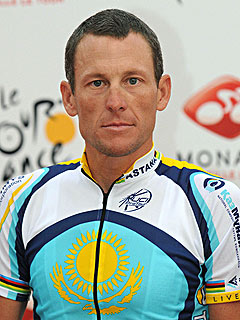
The question of how this balance should be applied has been raised in recent weeks in the wake of the final verdict on Lance Armstrong’s cycling career, which was decisively removed from the categories of “alleged misconduct,” “controversies,”and definitely “witch hunts” for all time as mountains of documentation, lab tests, and testimony moved it squarely into the categories of “outrageous cheating’, “criminal activity”, “corruption” and “fraud.” Continue reading
 Ethics Alarms