On The Lindsay Clancy Support Movement: ‘What’s Going On Here?’

I'm afraid of what's going on here...

There has been so much weird, impulsive, counter-intuitive and counter-factual support for frauds, knaves and evil-doers on the ideological left that I have had a hard time keeping up with it—or maybe my brain is just rejecting what it regards as bad juju. An astounding number of young Democratic-Socialists lionize Luigi Mangione, who shot an insurance exec in the back in an alley. Hasan Piker, who campaigned with Abdul El-Sayed, now the Michigan Democratic Party candidate for the U.S. Senate, has repeatedly expressed his approval of the assassination of Charlie Kirk. I have several Trump-Deranged friends who would have sent flowers of thanks to any of the recent failed assassins whose target was President Trump. The support for Jason Arday and his sanctification as a victim is also part of the trend.

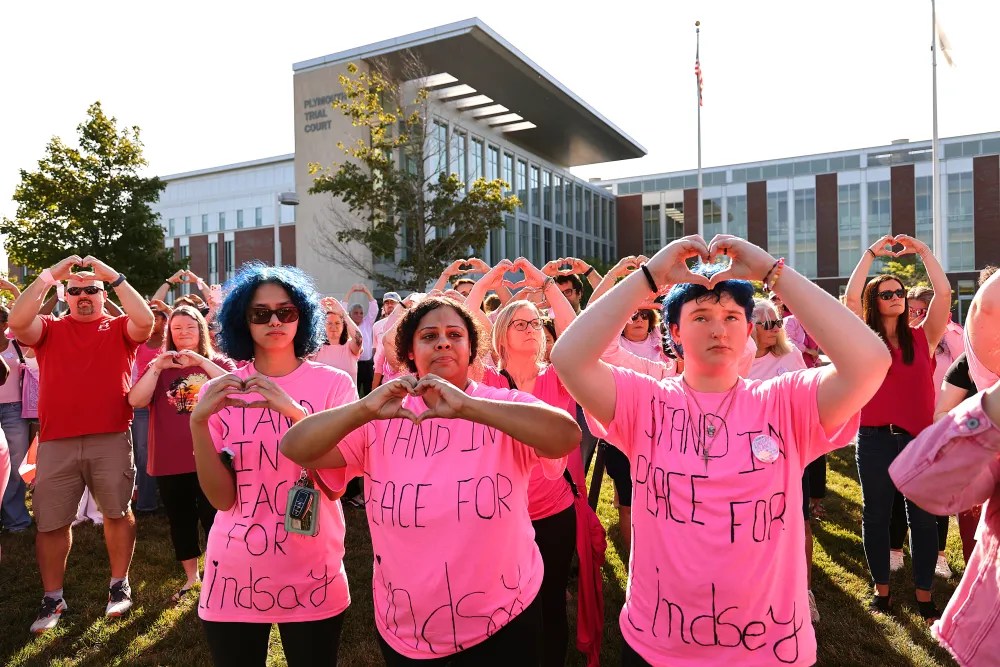
But this latest example is special. Hundreds of women, dressed in pink, protested last week outside Plymouth Superior Court in Massachusetts to show their support for Lindsay Clancy, the former nurse being tried for the murdered her three young children.

The mob wore shirts reading “Believe,” “She Needed Help” and “Peace for Lindsay.” Clancy, 36, pleaded not guilty to three counts of first-degree murder in the deaths of her children—Cora, 5, Dawson, 3, and Callan, 8 months, in January 2023. Her defense now is that she was suffering from postpartum psychosis and severe mental illness and therefore should not be held criminally responsible. Okay. That’s the defense’s job in a case like this, and surely any mother who would murder her own kids, or any children for that matter, has a strong argument that she was legally insane. However, in 1994 when Susan Smith was convicted of murdering her two sons, three-year-old Michael and one-year-old Alexander, by strapping them in their car seats, and rolling her car into a lake, there was no such public sympathy for her. The defense’s insanity defense was rejected by the jury.

Social media, of course, is part of the difference, and the Clancy episode may stand as a perfect example of how the internet warps values, perception and ethics. The murderous mother’s sympathizers have followed the livestreamed trial daily, often analyzing witness testimony in real time. TikTok has viral videos with legends like “I Am Lindsay Clancy,” often showing the poster holding her own infant. (I would think such videos justify visist from child protective services.) “I Stand With Lindsay” merchandise—shirts, hats, stickers, mugs, socks and bags —-are being sold on line. A GoFundMe established for Clancy’s parents had 31,000 contributions by the end of last week, raising over a million dollars.

This woman murdered her children, remember, and there is evidence that she planned it; she didn’t just “snap.”

So Ethics Alarms has to ask the threshold question to begin an inquiry into so many ethics problems: “What’s going on here?”
Your Ethics Alarms Cognitive Dissonance Guide To The Planned Parenthood Shooter Spin Game


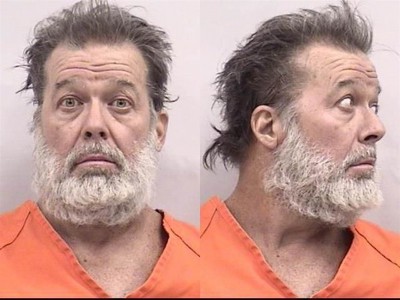
Robert Dear

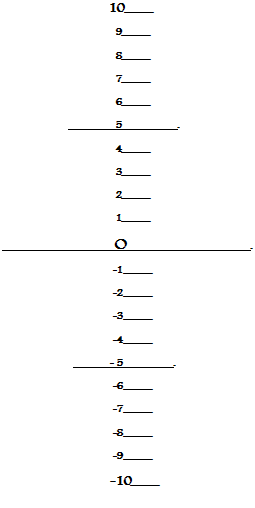
Cognitive DissonanceTo the left is a simplified version of Leon Festinger’s Cognitive Dissonance Scale. Most of the people and institutions who use the scale to mislead and manipulate public opinion neither know this diagram nor have heard of Dr. Festinger, but it is what they are employing in the daily wars to win ideological political converts by distorting the significance of current events.

Robert Dear’s as yet unexplained shooting rampage within a Colorado Springs Planned Parenthood facility has immediately created an opportunity for cognitive dissonance manipulation. Festinger’s research showed that our minds will always try to resolve dissonance when something with a high, or positive score—say, “Free Speech,” appears to be closely associated with something else that is low on the scale, such as “hateful speech.” How the dissonance is resolved will depend on the scores of the two dissonant objects or beliefs.

If you want the public to decide that something it approves of is less worthy of approval, attaching it to something the public believes is reprehensible will do the job by creating cognitive dissonance and pulling the well-regarded object down the scale. If you want the public to move its opinion of a person, organization or concept from negative territory into positive, identifying someone or something the public regards far more negatively who opposes the person, organization or concept will tend to move the object of the negative entity’s opposition upward on the scale. In these situations, the mind seeks distance from the reviled entity. I hate broccoli; I learn that Donald Trump hates broccoli; I don’t want to have anything in common with Donald Trump. Pass the broccoli, please.

The latter is the process repeatedly applied by the protesters of police shootings when African Americans are the victims. The public correctly opposes abuse of power and wrongful violence by law enforcement officials; it is far below the mid-point on the scale. It also a opposes criminal activity and resisting legitimate law enforcement. With rare exceptions, every black victim of a questionable police shooting was engaging in or had engaged in criminal activity, and had resisted arrest. These have been criminals, but because the alleged misconduct of the police is far lower on the scale than the criminal activity involved, the criminal victims are propelled by cognitive dissonance into the scale’s positive territory. (The media assists the process by publicizing the most benign images of the victims they can find. The most frequently used photo of Laquan McDonald, who was executed by a Chicago cop, shows him in his high school graduation gown, for example. The cop didn’t shoot a criminal who refused to stop when ordered to, he shot a smiling young man with a bright future. The police officer is thus a monster; the victim a martyr and a hero.)

Now let’s look at the current use of cognitive dissonance in the wake of the shooting by Robert Dear. Continue reading