I confess: there was a time when I considered supporting John Kasich to be the 2016 GOP nominee for President (anyone but Trump…well, okay, and Dr. Ben Carson). Then I started listening to him. After he wiped out in the primaries, Kasich became a committed NeverTrump fanatic like the revolting Lincoln Project scamsters, left politics after being a wishy-washy Governor of Ohio, and then began being an anti-Trump “contributor” on Fox News, then CNN, NBC and MSNBC (the tell: he’s a liar) during the first Trump administration.
Kasich enthusiasticly supported Joe Biden in 2020, saying, in an endorsement that has aged as well as Walter Donovan in “Indiana Jones and the Last Crusade”..
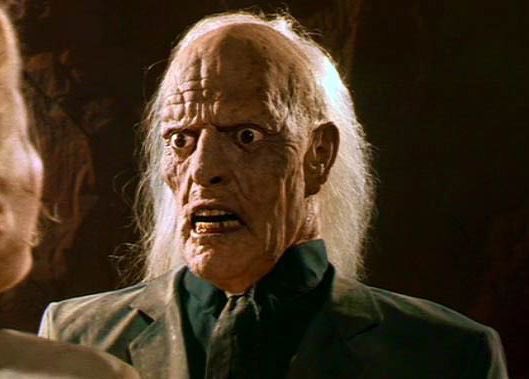
….“I’m sure there are Republicans and independents who couldn’t imagine crossing over to support a Democrat. They fear Joe may turn sharp left and leave them behind. I don’t believe that because I know the measure of the man. It’s reasonable, faithful, respectful.”
The tell: Kasich is an idiot.
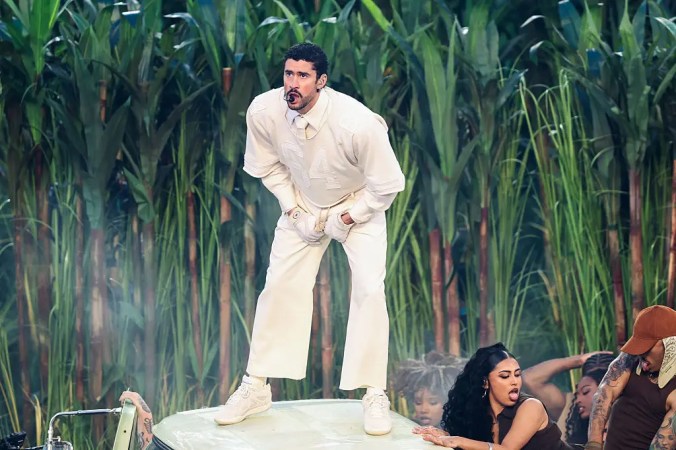
This diagnosis was proven spectacularly correct when Kasich tweeted, following the NFL’s cynical Bad Bunny halftime show:
“Love the halftime show which celebrates the wonderful Latino culture. Great pick and great show. Bad Bunny hit a grand slam home run!”
Apparently the ” wonderful Latino culture” is celebrated with lyrics like these…
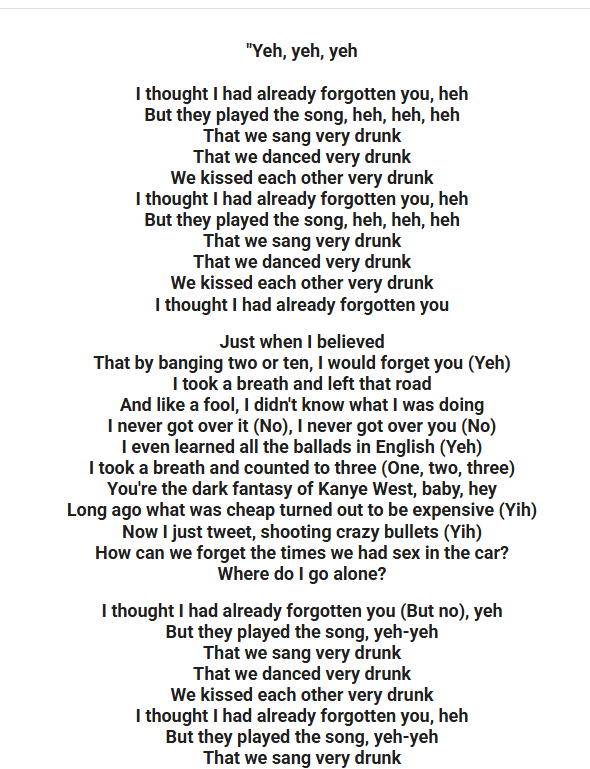
…which Kasich either sat there getting aroused by because he’s a dirty old man, or had no freaking idea what Latinos were hearing. I tend to think that he didn’t even watch the half-time show but defended it anyway because Kasich hates Trump to pieces, so he has done so often in the past decade, Kasich proceeded to make a fool of himself.
There are some admirable aspects to Hispanic culture indeed, like devotion to family, entrepreneurism,a strong work ethics and religious faith, but twerking and a crotch obsession arenot among them. Kasich praised Bud Bunny because Trump Derangement has eaten his brain, such as it was.
Oh…and the tweet also proves Kasich is a dork. Who but a dork uses a baseball term to describe a Super Bowl half-time show?





 Ethics Alarms