TV shows like “Lie to Me” and “The Mentalist” as well as all the profiling shows like “Criminal Minds” have done a public service by schooling viewers in the tell-tale signs of non-denial denials. Nonetheless, people continue to use them, apparently because they work. Bill Cosby’s lawyers just launched a lulu, responding to the inexplicably re-booted accusations that Cosby was a serial sexual predator in the 70’s. You can’t get more non-denial than this, from lawyer John P. Schmitt on Cosby’s website:
“Over the last several weeks, decade-old, discredited allegations against Mr. Cosby have resurfaced. The fact that they are being repeated does not make them true..Mr. Cosby does not intend to dignify these allegations with any comment.”
There is no denial of the alleged rapes to be found here. Yes, the accusations are “decades old”: So what? So are questions about whether Lizzie Borden was guilty. The fact that the allegation are decades old means Cosby can’t be prosecuted because of the statute of limitations, but they don’t change anything about the seriousness of the accusations against the erstwhile “America’s Dad.”
Discredited? How have they been discredited? Cosby paid a settlement in one of the cases: that generally makes the allegations look credible (See: Paula Jones/Bill Clinton; Michael Jackson). Sure: “The fact that they are being repeated does not make them true,” and it also doesn’t make them false. That Cosby doesn’t intend to “dignify” the matter with further comment is strategy and posturing. It is significant that the lawyer did not say “He didn’t do it.”
——————-
[UPDATE: Ah HA! Today that statement was taken down, with this taking its place, a joint statement from Dolores Troiani, counsel to Andrea Constand, and Schmitt:
‘The statement released by Mr. Cosby’s attorney over the weekend was not intended to refer in any way to Andrea Constand. As previously reported, differences between Mr. Cosby and Ms. Constand were resolved to the mutual satisfaction of Mr. Cosby and Ms. Constand years ago. Neither Mr. Cosby nor Ms. Constand intends to comment further on the matter.”
Translation: “Oops. That settlement with the first of Cosby’s accusers was predicated on neither party impugning or accusing the other once the money was paid, and that “discredited” comment risked getting Bill in even more hot water. Never mind!”]
——————-
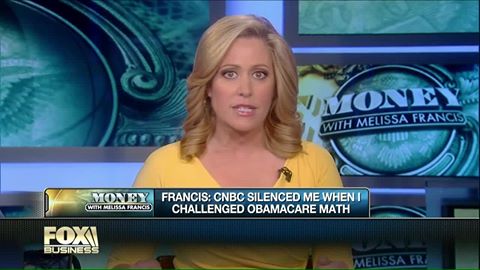
Then we have CNBC’s response to ex-CNBC reporter Melissa Francis, who followed Jonathan Gruber’s admissions of rigged math to get the Affordable Care Act past “stupid voters” with a relevant anecdote of her own. Francis, now a Fox Business anchor, claims that the network “silenced” her when she questioned the merits and specifically the misleading numbers for the Affordable Care Act when it was being rammed through the legislative process. She told Fox News that she was called on the carpet by CNBC brass and told to stop, on the grounds that such criticism was “disrespectful to the President.”



 Ethics Alarms