I began work on a protest code of ethics a decade ago, periodically putting it aside, then adding to it, subtracting from it, and refining it. I regard the current version as a work in progress still, but the discussion here regarding the “Occupy” movement prompted me to complete this initial final draft, at least. This is the first time it has been published.
It has been a source of continuing amazement to me that there was no such Code had been proposed previously, or none that I could locate. When an activity such as organized protesting, activity that is obviously rich with ethical dangers and the potential for excess, does not have proposed or established ethical standards of conduct, the reason is usually that nobody wants to be limited by ethical considerations or to be held accountable for misconduct. I strongly suspect that is the case here. Well, too bad. Now we have proposed standards with which to measure the ethical nature of protests. Whether these 25 principles are the first or the last, or just begin the discussion and inspire something better, is of no import. They open the discussion. It’s time.
The Protest Code of Ethics
A. Guiding principles
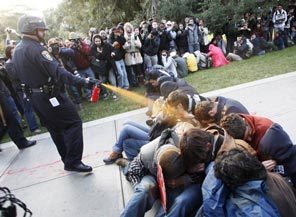
All participants in protests and demonstrations should recognize and respect the important role lawful assemblies for the purpose of airing grievances and advocating change and reform have played in the history of the nation and civilization, must strive to uphold the best of that tradition by upholding these ethical principles. A protest without leadership and objectives is only a mob, and a protest without discipline and respect for others is a riot.
B. Public protests
Any protest involving demonstrations or other public conduct… Continue reading




 Ethics Alarms