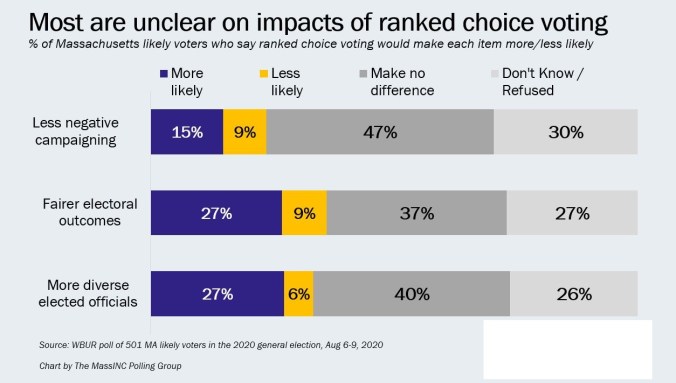
Esteemed commenter Extradimensional Cephalopod spent an admirable amount of time and effort last week exploring and debating the desirability (or not) of ranked choice voting systems. As a special gift to Ethics Alarms readers, E.C. summed up all of the issues in a single epic comment, and I have added his addendum to that comment as well.
Here is his Comment of the Day on his own Comment of the Day on the post, “Labor Day Weekend Ethics Warm-Up, 9/2/2022: Which Are The Pod People And Which Are The Fascists?”:
***
Alright, I’ve collected the arguments people have brought against ranked choice voting and condensed my counterpoints. What do you think?
1. RCV is more complicated than voters can follow.
Counterpoints: Not if we educate them competently, like we already sometimes do with regular ballots. If they’re not capable of comprehending ranked preferences and a ballot that accepts them, then their vote would be meaningless noise even under a first-past-the-post system. If that describes most voters, we’ve got a bigger problem. However, standardized testing indicates that many children can understand and fill out bubble-sheets correctly, so adults should be alright. Continue reading

 Ethics Alarms
Extradimensional Cephalopod might break an Ethics Alarms record today with three COTDs—I’m not sure yet: stay tuned. This one the earliest of the three, includes his cogent analysis of ranked choice voting systems, which I am on record as hating. As I have learned more about the Democrats donating to the nuttier Trump-endorsed Republicans in state primary contests, my hatred is even more entrenched. The more opportunities a system creates to game it, the less trustworthy it is. In my view, ranked choice voting asks the voter to try to game the system. Count me out.
Here is EC’s Comment of the Day on the Alaska special election item in “Labor Day Weekend Ethics Warm-Up, 9/2/2022: Which Are The Pod People And Which Are The Fascists?”
***
At first I took issue with your characterization of the Alaska election, on the basis that ranked choice voting would have removed the spoiler effect. However, I realized that’s not quite true.
Under first-past-the-post voting, if 60% of voters preferred the Republican party but were evenly split across two Republican candidates, then the Democratic candidate would have won with a 40% plurality.
In the same scenario but with ranked choice voting, one of the Republicans would have been eliminated and their votes would have gone to the other Republican candidate, who would have won. In that situation a Republican wins, just like in the FPTP scenario, but also the Republican voters get to vote on which Republican wins without risking their party losing. That is, if they all have a Republican as their second choice.
Continue reading →