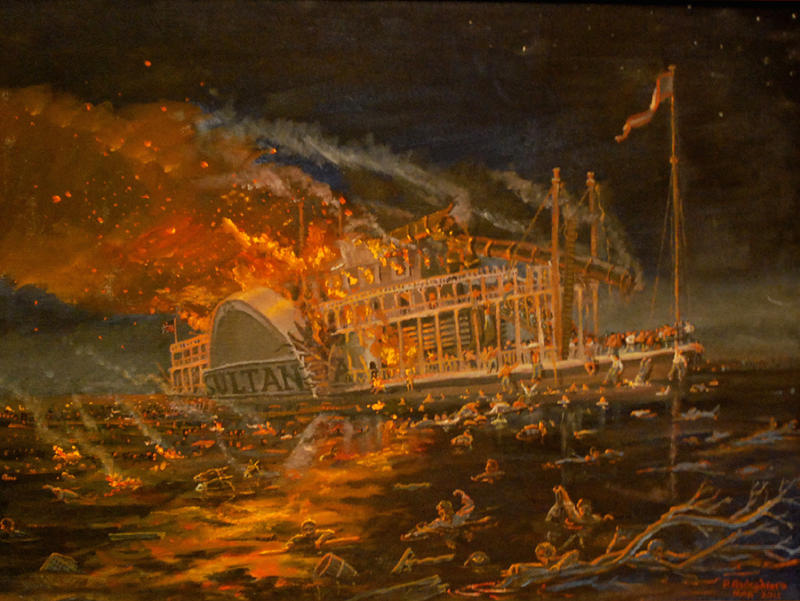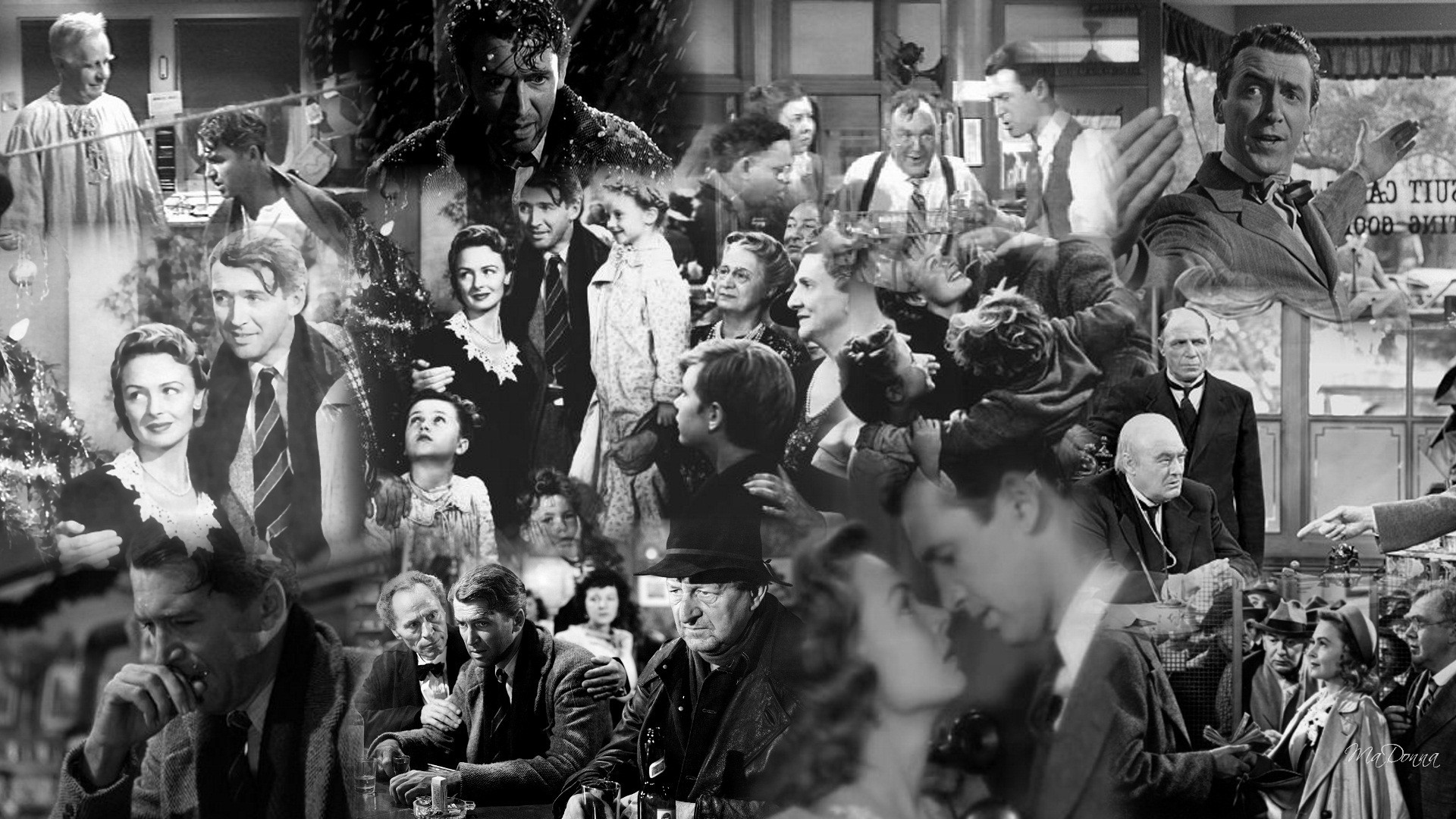
The FX cable networks ultra-creepy, disturbing and often disgusting series “The Strain” has begun raising ethics issues, as good science fiction (this is a horror-science fiction hybrid) is wont to do. The last episode, “It’s Not For Everyone” provided its characters with one ethical dilemma after another. [SPOILER ALERT!!] Arguably, all of them were botched. Continue reading
sacrifice
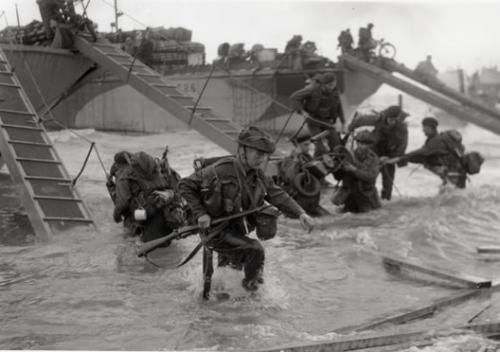
June 6, 1944
If a Terminator wanted to get rid of me and Ethics Alarms, all he would have had to do, perhaps, would be to go back to June 2, 1944, and throw himself on the hand grenade that exploded and blew a hole in Jack Marshall, Sr.’s foot that day. The wound kept my dad in an Army hospital when he was scheduled to hit the beaches at Normandy, 7o years ago today. (He recuperated sufficiently to request a return to active duty, and ended up in the middle of the Battle of the Bulge.)
Thus it is that I have special appreciation and reverence for the American, Canadian* and British soldiers who risked, and in many cases lost, their lives winning a crucial battle in a war about freedom and human rights on June 6, 1944, and empathize with all the sons and daughters, and grandsons and grand-daughters, whose chances at existence were ended that day, while mine, by the sheerest luck, was not.
And I find myself wondering, as America retreats from its traditional ideal as the nation that stands up to evil, chaos, persecution and tyranny in the world, and as our government devalues “hero” and “service with honor” to the status of gratuitous application to a soldier who voluntarily abandoned his comrades on the field of battle, if our culture, our young, and our increasingly self-absorbed society would support the equivalent of a Normandy invasion today. If not, the world is in greater peril than it knows.
I’m an optimist, and a firm, though shaken, believer in the unique cultural values of the United States of America. I believe that we are one admirable, wise, courageous leader of character away from getting back on the ennobling course charted by Washington, Lincoln, Roosevelt, Kennedy and Reagan.
I just wish that I could see, even faintly, such a leader coming over the horizon. I wish he…or she…would hurry the hell up.
* I stupidly omitted mentioning our Canadian allies when I first posted this, and was properly corrected. No slight intended. My apologies.
Ethics Hero, Mother’s Day Division: NBA MVP Kevin Durant
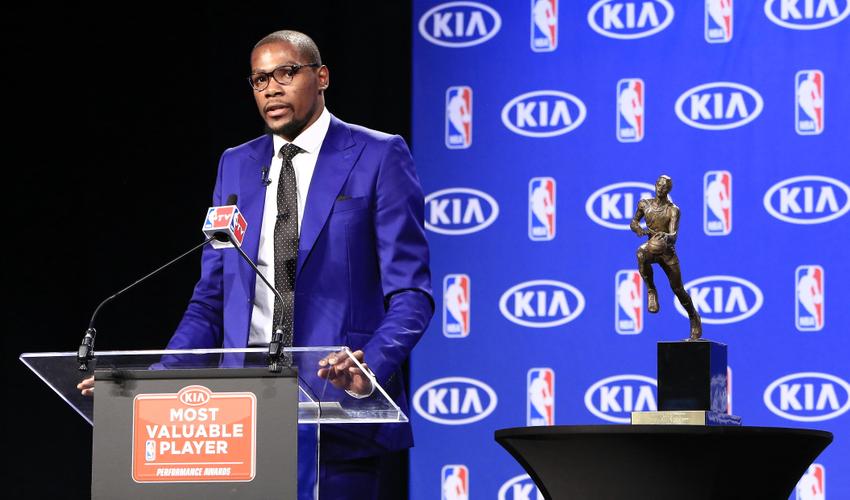
Just in time to temporarily relieve the National Basketball Association from public exposure of its expediency, hypocrisy and criminalization of thought, and also just in time for Mother’s Day, Oklahoma Thunder forward Kevin Durant delivered an ethics slam-dunk of an acceptance speech when he was honored with the league’s Most Valuable Player Award.
‘Tis not always thus. Another NBA great, Michael Jordan, revealed the bleakness of his character in his nauseating speech upon being admitted to pro basketball’s Hall of Fame, settling old grudges and celebrating himself. Durant, in glorious contrast, was graceful, humble, sincere, gracious, and filled with gratitude, particularly toward his mother, who was in the audience. It takes a sense of fairness, respect and perspective, as well as confidence, to use the spotlight at an event that honors you to shift attention to others, and that is what Durant did. His speech itself is proof that his mother raised him well, and his words drove the message home:
“One my best memories I have is when we moved into our first apartment. No bed, no furniture, we all just sat in the living room and just hugged each other. We thought we made it. … You wake me up in the middle of the night in the summertime, making me run up a hill, making me do push-ups. Screaming at me from the sidelines of my games at eight or nine years old … When you didn’t eat, you made sure we ate. You went to sleep hungry. You sacrificed for us. You’re the real MVP.”
Here is his entire speech, displaying an ethical character that can’t be faked.
The Cruelest Month And The Duty To Remember
If we have the education, curiosity, perspective and respect for our origins and those who have gone before us, the calendar is a source of constant reminders of what matters in life, and how we can be better citizens and human beings. It is a common belief among Millennials, and a lot of older Americans too, that history is irrelevant to their lives, and this is both a fallacy and a self-inflicted handicap. Not that keeping history in mind is easy: in this month, which T.S. Elliot dubbed “the cruelest,” paying appropriate respect by remembering is especially difficult.
Still, respecting history is our duty. It won’t be remembered, perhaps, but in April, 2012, a 23-year-old drunken fool named Daniel Athens was arrested for climbing over a barrier to urinate on a wall at the Alamo. Monday, a Texas judge threw the book at him, sentencing him to 18 months in state prison for vandalizing a National Monument and a shrine. The sentence seems extreme, and is a good example of how the law is a blunt weapon with which to enforce ethics. The Alamo has near religious significance in Texas, brave men died there, and the ruins serve as a symbol of critical virtues like loyalty, sacrifice, dedication, courage and patriotism. Athens, himself a Texan, defiled the memory of the fallen and symbolically rejected the values and heritage of his community and fellow citizens. Unfortunately, the harshness of the sentence will create sympathy for him: 18 months for peeing? But how else does a culture reinforce the importance of respect for the past? I don’t have an answer. Perhaps I would have sentenced him to take an exam on the lives of Travis, Crockett, Bowie, Seguin and the rest, as well as the siege itself, and imposed the jail term only if he flunked.
Yesterday, Major League Baseball celebrated the heroism and transformative life of Jackie Robinson, who broke baseball’s color barrier on April 15, 1947 by becoming baseball’s first black player, setting in motion powerful forces that propelled the cause of civil rights. Every player wore Robinson’s now retired uniform number 42, and there were commemorative ceremonies in the ball parks where it wasn’t too cold and wet to play ball. This remembrance had a difficult time competing with tax day, as history usually does when our immediate life concerns beckon.
Other important historical events deserving reflection, however, were more or less ignored entirely, for April 15 is a historically awful day: Continue reading
“My Little Pony” Ethics, Blaming the Victim, and the Dilemma Of The Bully Magnet
Nine-year-old Grayson Bruce likes “My Little Pony,” a long-running animated children’s TV show that has a cult following in the gay community. He decided to show his affection for the show by carrying his lunch in a “Rainbow Dash” themed bag featuring a popular equine character. Now some of Grayson’s fellow male students at the Buncombe County (North Carolina) elementary school he attends have stepped up their harassment of the boy as a reaction to his tastes in entertainment and accessories.
“They’re taking it a little too far, with punching me, pushing me down, calling me horrible names, stuff that really shouldn’t happen,” Grayson says. It’s not like he doesn’t understand why. “Most of the characters in the show are girls, and most of the people put it toward girls,” he notes. His mother complained to the school, and it says it is taking appropriate measures to deal with the bullies and bullying in general. It also told Grayson to leave Rainbow Dash at home, caliming that it is a “trigger for bullying” and a distraction. Mom, Noreen Bruce, objects. Continue reading
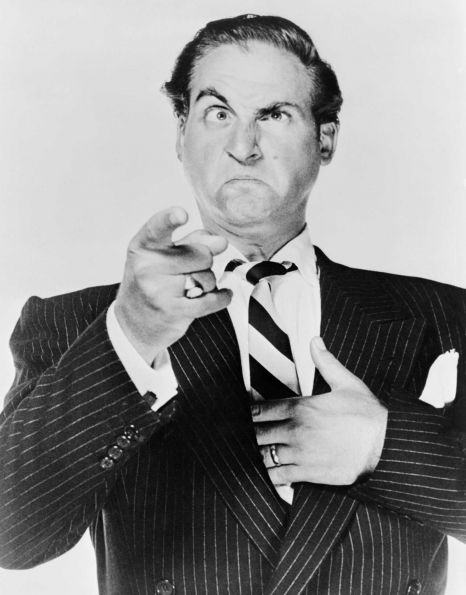
Ethics Quote: Sid Caesar (1922-2014)
“I remember a satire we did on ‘High Noon.’ The townspeople were supposed to abandon me and return their deputy badges to me by pinning them on my chest. I was supposed to have a sponge inside my shirt. But I didn’t have time to change. So they kept coming, saying, ‘Sorry, Sheriff,’ and pinning on the badges. After it was over, I went backstage, and somebody said, ‘Hey, you did real good pain takes.’ I told him the pain was for real.”
—-Comedy great Sid Caesar, who died yesterday at the age of 91, recounting for the New York Times an example of a how he suffered for his art, which was, always, making us laugh.
Caesar’s anecdote is as perfect a description of professionalism as I have ever seen, or ever will see.
Thank you, Sid Caesar, for devoting your life, body and soul, to laughter.
Ethics Hero Emeritus: Aitziz Hasan (1997-2013)
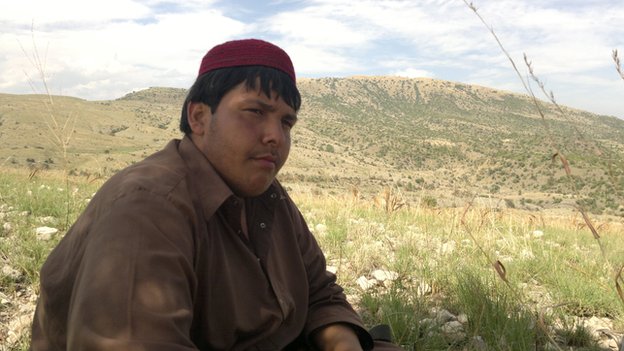
Aitzaz Hasan, 15, was standing with fellow students outside his school last week in Ibrahimzai, a region of Hangu in north-western Pakistan. They noticed a man approaching wearing a vest laden with explosives. They knew what was about to happen. There were over 2000 children at the school,and Aitzaz told his friends that someone needed to stop the suicide bomber from getting close enough to harm them.
According to witnesses, Aitzaz approached the terrorist, confronted him, and tackled him to keep him from getting any closer.
The suicide bomber detonated his vest, killing himself and the brave boy.
This is by far the shortest biography of any of the Ethics Heroes enshrined here in the Ethics Alarms Heroes Hall of Honor. It is far from the least impressive. This young man, whose life had barely begun, made the ultimate sacrifice to save the lives of others. No one of any age should have to face the choice Aitzaz had; no one should ever have to grow up under conditions that would impose such an ethical challenge on anyone. Yet when the crisis arose, this young man had the courage and values to do what all nations honor soldiers and other heroes for doing to preserve civilization and human life through the centuries: he faced the challenge, put the lives of others before his own, fixed the problem, ended the threat, and died. Continue reading
Michael De Beyer, Like Don Bedwell, An Exemplary Ethics Hero To Inspire Us
Writing about my favorite Ethics Hero of all time, Don Bedwell, in 2005, I began, “There are special and rare people whose ethical instincts are so pure and keen that they can make the rest of us feel inadequate.” Like Don Bedwell, Micheal De Beyer is such an individual.
Brittany Mathis, 19, works for De Beyer at his Kaiserhof Restaurant and Biergarten in Montgomery, Texas, . Her mom and older sister work at the restaurant as well, so she would describe her boss as a family friend. In December, Brittany learned that she has a 1.5 inch brain tumor She can’t afford to find out whether the tumor is benign or malignant, but her father died from a similar tumor years ago, so her situation is dire. She doesn’t have health insurance.
De Beyer has decided to sell his restaurant, which he opened more than 15 years ago and has an estimated worth of $2 million, to pay for whatever medical treatments are necessary to save Brittany’s life. “I’m not able to just sit by and let it happen,” De Beyer told a local paper. “I couldn’t live with myself; I would never be happy just earning money from my restaurant knowing that she needs help.” Continue reading
To Get Your Christmas Ethics Off To The Right Start…
“Would You Rather”: An Ethics-Horror-Health Care-Dinner Party In Hell Movie You May Have Missed
“Would You Rather” is an odd 2012 film that sets up a film-long set of unlikely ethical dilemmas for its characters to solve. Desperate to save her dying brother with expensive medical treatment she can’t afford, the heroine (played by Brittany Snow) finds herself at a dinner party with seven other desperate strangers, hosted by a wacko family of millionaires who will help one of them after the others have been “eliminated” during the course of the evening. As what is described as a game progresses, each contestant is put through escalating rounds of risk, pain and torture in which they must make various Sophie’s Choices, such as…
- Would you rather administer a painful shock to yourself with high-voltage electricity, or the person next to you? What if that person has been weakened by a previous shock? What if she is in a wheelchair?
- What if she hurt you in a previous round? Continue reading