“It was a very dark Strangelovian speech painting the picture of a dystopian world, raising the spectre of a genocidal nation, a genocidal regime spraying nuclear weapons to annihilate the whole world and the whole region. Now, obviously many people are very concerned about Iran and there is a deep lack of trust, but surely the same was said of the Soviet Union all those years ago.”
—-CNN reporter Christiane Amanpour, commenting to Wolf Blizter on Benjamin Netanyahu’s controversial address to Congress.
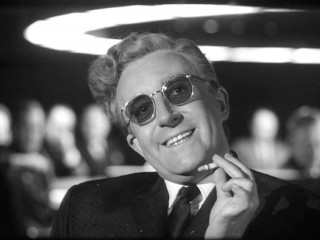
That’s funny…he doesn’t LOOK Jewish…
This is a propitious opportunity to clear up a question I have been asked a few times, namely, “What is the distinction between the Ethics Alarms “ethics quotes” as opposed to the unethical and ethical quotes of the week or month. Sometimes, it’s a close call, like now. An ethics quote either illustrates, in a positive or negative fashion, an ethics principle or raises an ethics issue. Unethical quotes are those that are themselves harmful, dishonest, or that promote ethics misconceptions and unethical conduct. Ethical quotes are those that display ethical values or accomplish something that is objectively good.
Amanpour’s quote is, not to be overly blunt, stupid, ignorant, and disturbingly lacking in historical perspective. It raises ethics issues, but does not rise to the level, quite, of an unethical quote. It does raise the ethics issues of incompetence in the media, political bias robbing us all of IQ points, irresponsible journalism, and what happens when one is incapable of placing oneself behind another individual’s eyeball. She is trying to be descriptive, so I would not term the quote itself unethical, just shocking. She has long been respected as a reporter on international events, but this statement is so devoid of its proper context that I think her credentials need to be reconsidered. Continue reading




 Ethics Alarms