The Ritz Brothers and The Duty To Remember

I have several of these posts on the EA runway, but I’ve been thinking about posting on the Ritz Brothers for an especially long time.

I mysteriously started getting Turner Classic Movies again from DirecTV several months ago without having it in my package. (“We do that sometimes” was the explanation I got when I asked the satellite service about it.) I had started using a lesser package for economy reasons following the near collapse of my company as a result of what I will forever call “The Stupid Lockdown.” TCM is the cinema equivalent of my now defunct professional regional theater company, “The American Century Theater,” which mounted stage productions that had cultural significance but that the more practical companies never present any more. Since the channel’s return I have been struck by how many major talents have been almost completely forgotten despite the fact that 1) they were once very famous and popular and 2) they deserved to be.

The video above is probably the quickest way to get a crash course in Ritz Brothers lore. In one of the clips in the video , Dick Cavett introduces a segment of his show by saying that “today” most people under the age of 40 probably have never heard of the Ritz Brothers. That “today” was in the 1980s. I have never received a positive response from anyone I have asked about the brothers. Yet The Ritz Bothers, which can best be described as a spectacular vaudeville act that peaked in films in the Thirties and Forties and then almost totally avoided TV while starring in nightclubs, were memorable. Unlike the Marx Brothers or the Three Stooges, two other trios whose cultural legacy is more secure, the Ritz Brothers did not highlight individual members of their team but rather emphasized remarkable unity and coordination. They danced, they sang, they did carefully choreographed physical comedy and slapstick, and were almost completely indistinguishable. Almost. Harry, “the One in the Middle,” clearly had an extra measure of presence and charisma, and it is he who is most cited by succeeding generations of comics as an icon.

Comedy historian Anthony Scibelli writes,
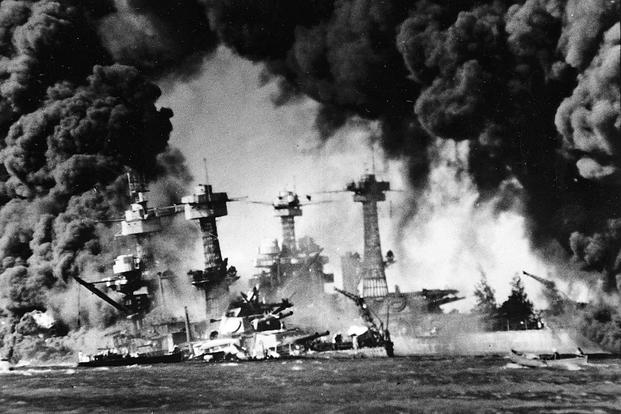
Pearl Harbor Day, 2025

Remember.

I have nothing unique to add about the attack by the Japanese on Pearl Harbor on this date in 1941, except to note that the lack of mention of it in the news media today is disheartening and, I believe, inexcusable. I’m estopped from complaining too much however: to my amazement and shame, Ethics Alarms has never devoted an entire post to the event since I began writing it 16 years ago. I’ll begin my amends now.

Here is the History Channel’s article on the attack, one of the rare, epochal  events of which it can be said without dispute changed everything….

On December 7, 1941, at 7:55 a.m. Hawaii time, a Japanese dive bomber bearing the red symbol of the Rising Sun of Japan on its wings appears out of the clouds above the island of Oahu. A swarm of 360 Japanese warplanes followed, descending on the U.S. naval base at Pearl Harbor in a ferocious assault. The surprise attack struck a critical blow against the U.S. Pacific fleet and drew the United States irrevocably into World War II.

With diplomatic negotiations with Japan breaking down, President Franklin D. Roosevelt and his advisers knew that an imminent Japanese attack was probable, but nothing had been done to increase security at the important naval base at Pearl Harbor. It was Sunday morning, and many military personnel had been given passes to attend religious services off base. At 7:02 a.m., two radar operators spotted large groups of aircraft in flight toward the island from the north, but, with a flight of B-17s expected from the United States at the time, they were told to sound no alarm. Thus, the Japanese air assault came as a devastating surprise to the naval base.

Much of the Pacific fleet was rendered useless: Five of eight battleships, three destroyers, and seven other ships were sunk or severely damaged, and more than 200 aircraft were destroyed. A total of 2,400 Americans were killed and 1,200 were wounded, many while valiantly attempting to repulse the attack. Japan’s losses were some 30 planes, five midget submarines, and fewer than 100 men. Fortunately for the United States, all three Pacific fleet carriers were out at sea on training maneuvers. These giant aircraft carriers would have their revenge against Japan six months later at the Battle of Midway, reversing the tide against the previously invincible Japanese navy in a spectacular victory.

The day after Pearl Harbor was bombed, President Roosevelt appeared before a joint session of Congress and declared, “Yesterday, December 7, 1941—a date which will live in infamy—the United States of America was suddenly and deliberately attacked by naval and air forces of the Empire of Japan.” After a brief and forceful speech, he asked Congress to approve a resolution recognizing the state of war between the United States and Japan. The Senate voted for war against Japan by 82 to 0, and the House of Representatives approved the resolution by a vote of 388 to 1. The sole dissenter was Representative Jeannette Rankin of Montana, a devout pacifist who had also cast a dissenting vote against the U.S. entrance into World War I. Three days later, Germany and Italy declared war against the United States, and the U.S. government responded in kind.

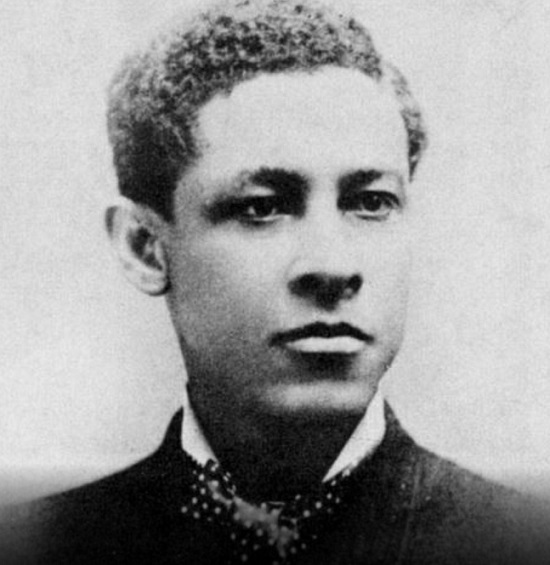
The Duty To Remember: Jan Ernst Matzeliger, Inventor, (1852-1889)

This kind of thing drives me crazy, as regular and long-time readers here know. The culture and society lose so much when important events, figures and trailblazers are gradually lost—forgotten, ignored, erased by ignorance and apathy. That this remarkable and important inventor somehow fell into the memory hole of American history is particularly galling because he was black, and black activists have gone to extreme lengths, at times manufacturing significant black historical figures out of otherwise marginal accomplishments, to show the contributions of African Americans to U.S. society and culture. Jan Ernst Matzeliger was a big deal. We should know his name.

Continue reading

Morning Ethics Warm-up: 8/17/17

Good Morning!

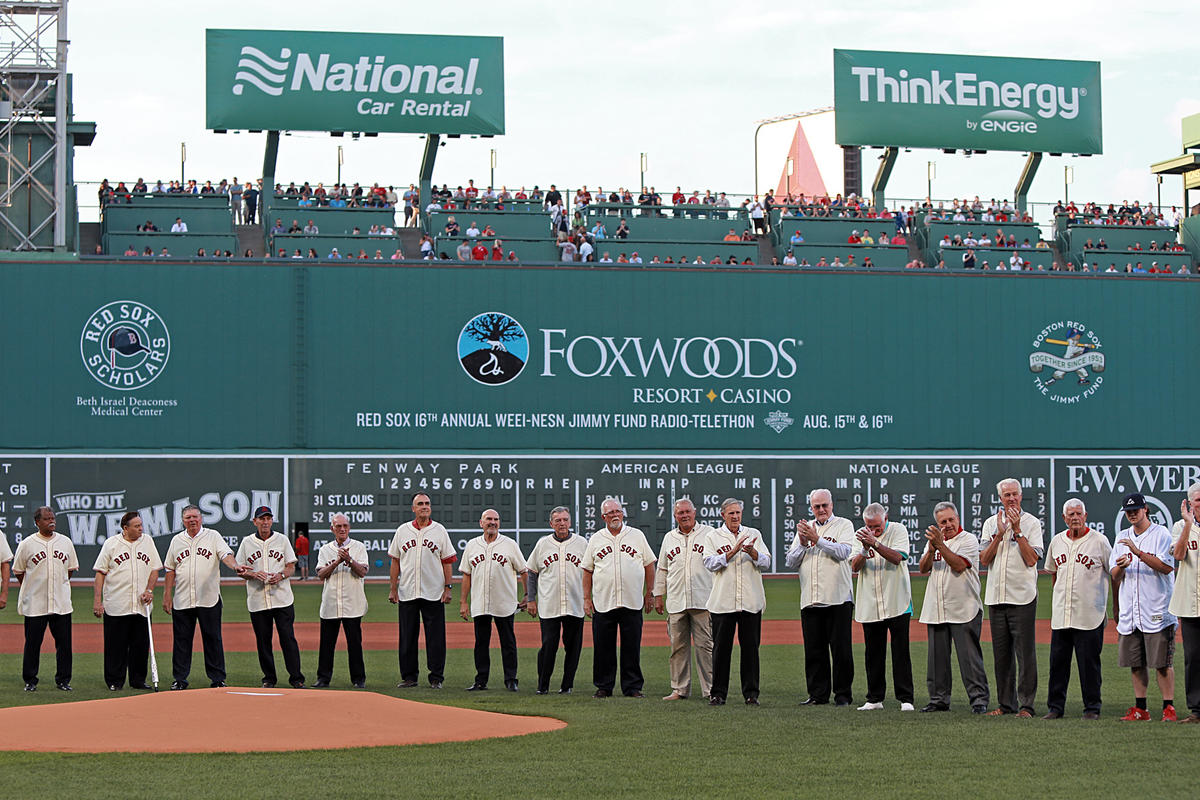
1. I got back late last night from my pilgrimage to say thanks to the Impossible Dream team, and now I’m on my way out to teach an ethics seminar for D.C. government attorneys. I haven’t caught up with the comments yet; I’m sorry. Things should be back to normal hear by this afternoon. Here are the surviving members of that 1967 Red Sox team that changed my life:

Incredibly, the Red Sox barely promoted the event, and had no memorabilia, not even a T-shirt, available at the souvenir stands. I asked one of the sales people, who said the team had given them nothing, figuring that the typical fan was too young to remember or care.

And people wonder why I object to tearing down statues…

2. …which the unethical Mayor of Baltimore ordered to be done yesterday in the dead of night. From the Times:

It was “in the best interest of my city,” Mayor Catherine Pugh said Wednesday, as she explained why she ordered Confederate monuments removed under the cover of darkness, days after violence broke out during a rally against the removal of a similar monument in neighboring Virginia.

“I said with the climate of this nation,” Ms. Pugh said later, “that I think it’s very important that we move quickly and quietly.”

With no immediate public notice, no fund-raising, and no plan for a permanent location for the monuments once they had been excised — all things city officials once believed they would need — the mayor watched in the wee hours on Wednesday as contractors with cranes protected by a contingent of police officers lifted the monuments from their pedestals and rolled them away on flatbed trucks…

David Goldfield, a professor of history who studies Confederate symbols at the University of North Carolina at Charlotte, said the removal of the monuments in Baltimore was likely to be part of a “rolling cascade” of cities and states ridding themselves of, or at least relocating, similar statues.

”You’re going to see another wave of these removals.” Mr. Goldfield said. “The fact that it’s done fairly expeditiously is not surprising because if you do it quickly the opposition can’t build up, and the confrontations that we’ve had, not only in Charlottesville but elsewhere, will not materialize.”

By all means, move quickly and without notice or due process so lawful protests and expressions of public opinion “can’t build up.” “It was in the best interests” is such a versatile rationalization for unilateral government action.

Democracies don’t undertake controversial actions in the night. Dictatorships do. Pugh and others nascent fascist of the left are as responsible for “the climate of this nation” as much or more than anyone else, and now want to exploit the dangers of that climate to stifle dissent.

Perfect. Continue reading