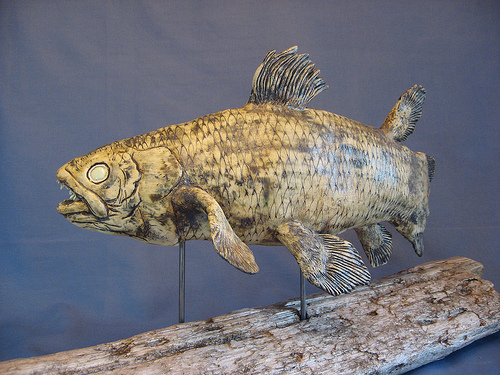
“Why, certainly that’s a red snapper, sir! Just came off the boat today!!”
If there is an opportunity for profitable dishonesty that nobody is paying attention to, the overwhelming likelihood is that it will flourish to the point of becoming standard practice.
Isn’t that discouraging? I hate to write that sentence, as I hate to think or accept the conclusion behind it. Yet when I come upon a topic like seafood fraud (or fish fraud), it is hard to deny.
The Boston Globe just published the results of a wide-ranging, five-month investigation into the mislabeling of fish in the Greater Boston area and other parts of Massachusetts. The shocking results showed that Bay State consumers:
“…routinely and unwittingly overpay for less desirable, sometimes undesirable, species – or buy seafood that is simply not what it is advertised to be. In many cases, the fish was caught thousands of miles away and frozen, not hauled in by local fishermen, as the menu claimed. It may be perfectly palatable – just not what the customer ordered. But sometimes mislabeled seafood can cause allergic reactions, violate dietary restrictions, or contain chemicals banned in the United States.
“The Globe collected fish from 134 restaurants, grocery stores, and seafood markets from Leominster to Provincetown, and hired a laboratory in Canada to conduct DNA testing on the samples. Analyses by the DNA lab and other scientists showed that 87 of 183 were sold with the wrong species name – 48 percent.” Continue reading







 Ethics Alarms