I thought I was dreaming when I read this in the Washington Post this morning:
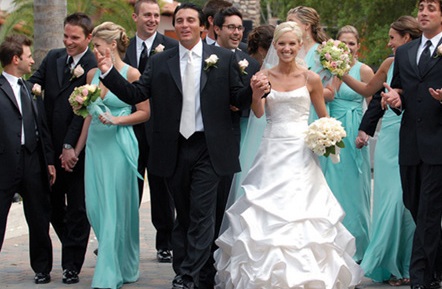
Virginia Gov. Robert F. McDonnell (R) has said his daughter and her husband paid for their own wedding. So a $15,000 check from a major campaign donor to pay for the food at the affair was a gift to the bride and groom and not to him and therefore did not have to be publicly disclosed under the law, the governor says. But documents obtained by The Washington Post show that McDonnell signed the catering contract, making him financially responsible for the 2011 event. The governor made handwritten notes to the caterer in the margins. In addition, the governor paid nearly $8,000 in deposits for the catering. When the combination of the governor’s deposit and the gift from the donor resulted in an overpayment to the caterer, the refund check of more than $3,500 went to McDonnell’s wife and not to his daughter, her husband or the donor….The question of who was responsible for paying the catering bill is a key one because Virginia law requires that elected officials publicly report gifts of more than $50. But the law does not require the disclosure of gifts to the official’s family members. McDonnell has cited the statute in explaining why he did not disclose the payment in annual forms he has filed with the state.
I have taught an ethics hypothetical very similar to this in several contexts, including government, business, and legislative ethics. The lesson is that regardless of the laws, and whether a particular set of regulations designates gifts to a direct family member as creating a conflict of interest and appearance of impropriety, this kind of transaction is suspicious, probably corrupt, looks terrible, undermines trust, and should be rejected by the official whose family member is getting married. Continue reading

 Ethics Alarms