What could be a more unlikely locale for ethics lessons than a standard web click-bait list? Yet against all odds and defying all precedent, Rolling Stone has posted such a list that could sustain multiple courses in ethics: business ethics, popular culture ethics, media ethics, and ethical decision-making generally. It is called “The 50 Worst Decisions in TV History.”
Not all of the items on the list have ethical implications, and not all of the choices for the list belong there. Not only that, what I thought would be the #1 Worst Decision right up to the end in Rolling Stone’s countdown was missing entirely, presumably because of the generational bias (and ignorance) of the writers. Almost all of the TV network and production decisions listed occurred in the last thirty years: I assume this is why the list even missed ABC’s infamous decision to replace the ailing Dick York as Darren, the long-suffering hubby of Samantha the Witch on its hit sitcom “Bewitched,” with another, lookalike actor, the inferior Dick Sargent, without any explanation on the show, as if the audience wouldn’t notice. (Ethics lesson: Treating your customers/followers/fans/audience members like idiots is disrespectful, incompetent, and irresponsible: unethical.)
No, that wasn’t the missing #1. Be patient.
#50 on the list, for example, features the blatant abuse of power and position inflicted on “Jeopardy!” after Alex Trebec’s demise, when Producer Mike Richards, running the search for a new host, made himself the new host. EA discussed the fiasco here. #44 is worthy of a seminar: in a variation of the King’s Pass, brilliant and creative “Hill Street Blues” creator Steven Bochco was given the green light to produce and broadcast “Cop Rock,” one of the most obviously crack-brained fiascos ever devised by the brains of mankind. It was an allegedly serious procedural in which the proceedings would periodically turn into musical numbers. Two lessons there: 1) Don’t discard standards and judgment just because someone is a star/success/genius, and 2) “Leaders beware: it is often difficult to distinguish bold and brilliant ideas from bad ones, so you must have advisors and friends who have the guts to tell you.”
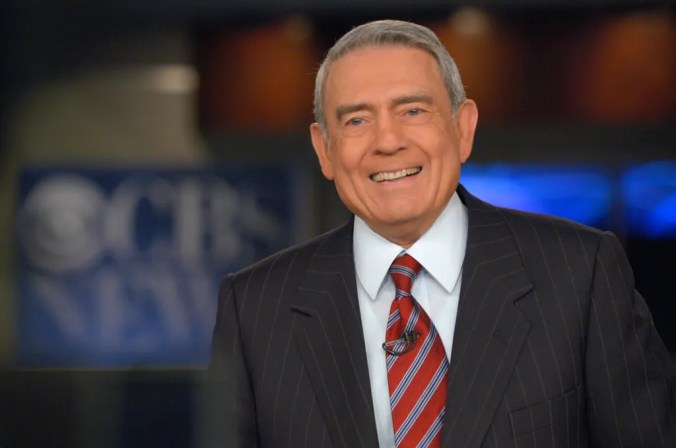
#32 (I would have put it a lot higher) was Dan Rather’s career-wrecking use of a forged document to try to take down George W. Bush before the 2004 election.
What’s #1? “NBC cancels ‘Freaks and Geeks’” Okaaaay, there is clearly some major league bias going into THAT pick. Yes, it was a quality show, and yes, the young stars went on to some impressive post-“Freak” achievements. The lesson here is that network executives typically don’t care about quality at all, and if even a nascent great show doesn’t catch on immediately, it’s often toast. But we knew that, didn’t we? After all, “Police Squad” was cancelled after just six episodes.
No, #1 should have been CBS’s decision to yank “The Smothers Brothers Comedy Hour” off the air in 1969, when the Vietnam protests were raging, social protests were roiling, and the sexual revolution was erupting. The show’s comedy and satire were about all of that and more, so the Bothers constantly fought CBS censors, who objected to their double-entendres, mockery of political figures and openly liberal orientation. In an especially horrible example, they banned folksinger Pete Seeger from singing his anti-LBJ protest “Waist Deep in the Big Muddy” in 1967. Few TV variety shows have been as consistently clever, trenchant and fresh, and “The Smothers Brothers Comedy Hour” was a huge hit and cultural force right up to its cancellation. We will never see its like again.
And yet Rolling Stone, of all publications, forgot all that. Rolling Stone forgot about the Sixties!
Now that’s unethical….
 Ethics Alarms
To be fair, the idea behind “Bewitched” was to show how a witch struggled to keep her marriage to a mortal normal despite her crazy relatives and her own nature.
Dick York was unable to continue in the role because of his health so they had a choice of either replacing him or getting rid of Darren completely which would ditch the premise and much of the show’s conflict.
Granted, Dick Sargent didn’t have the same chemistry with Elizabeth Montgomery as York did (being gay makes that difficult) but, by then, “Bewitched” was largely a kid’s show anyway.
I suppose, they could have explained away his appearance as one of Aunt Clara’s botched spells…
I never paid much attention to it, since I was exposed to I Dream of Jeanie first (in late 70s afternoon syndication, with commercials for Brigantine Castle and various music collections that came from P.O. boxes), and kind of figured it was the same silly premise (although Bewitched aired first).
To a certain degree, they came from the same mold. Hiding a magical being with whom you have a relationship from the mortals around you, yadda yadda.
But “Bewitched” was pretty interesting its first few seasons. You really believed Darren and Samantha loved each other and the relatives, while wacky, weren’t too over-the-top (That came later, but the kid in me loved Paul Lynde’s Uncle Arthur, regardless).
Oh, it was a terrific show for its time, and equally amusing to kids and their parents, for different reasons. My dad, who had worked in advertising loved the character of Larry Tate as the perfect two-faced, smarmy corporate weasel. I don’t think kids knew what his character portended for their futures in the workplace. No show ever amassed such a group of comic pros in support: Lynde, Agnes Morehead, Alice Ghostly, Marion Lorne, Maurice Evans, Rita Shaw, Estelle Winwood. And Elizabeth Montgomery was a superb comic and actress—died much too young.
Nerd moment:
There was a show (“Beetleborgs”, part of Saban’s Japanese adaptation family) I watched in the 90s when I was young that was even more kid-oriented than “Bewitched”, and they DID use magic to justify swapping an actress but not her character. One of the protagonists was hit with a spell that changed her appearance, and was irreversible. But it was modified so that only those who witnessed the transformation saw her new face, while everyone ELSE saw her old face.
That would have made more sense than doing what they did with Darren. York was also just a much more talented and appealing actor. Of course, “Bewitched” was running out of steam by the time Dick Sargent arrived: Tabitha was useless, and all of the good plots had been used up.
“When John Henry was a little baby
(bay-eh-bee)
Sittin’ on his daddy’s knee
(hooo)
(long pause)
His daddy picked him up,
Threw him on the floor
And said this baby’s gonna wet on me.”
I remember that one and still trot it out occasionally
What? No Fonzie jumping a shark? That’s where the phrase comes from!
No idea how they missed the one either.
What about #2? Pure bias there. Was ‘The Apprentice” a failure? No. What is the mistake? It led to someone I don’t like being elected to office and exposing the corruption in our government. How terrible.
Why don’t we replace #2 with everything Fox did to the Firefly TV series. This included airing the episodes out-of-sequence and changing the timeslot several times.
I’d second THAT.
Rolling Stone’s lists aren’t always even that successful. Reminded me of their (apparently researched and meant to be taken seriously) incompetently produced 2014 list of “The 5 most dangerous guns in America”:
1) Pistols
2) Revolvers
3) Rifles
4) Shotguns
5) Derringers
Which list became widely mocked across the internet, often with satirized lists like:
Rolling Stone’s Five Most dangerous Cats:
5) Bobcats
4) Lions
3) Tigers
2) Leopards
1) Housecats with Derringers
Ethics lesson: Stick to your lane. It belongs in the arts, like 99% of all artists.