In his Comment of the Day, Steve-O-in NJ came up with something I’ve been searching for: a good analogy for the hate that Donald Trump has been subjected to. Tellingly, Steve’s analogy is a nation, not another human being. But in Steve’s example, only one man was demanding destruction, not whole institutions and sectors of society: Cato the Elder, also known as Cato the Censor and Cato the Wise.
Boy, I would much rather write about Marcus Porcius Cato ( Born: 234 BC, Tusculum, Italy; Died: 149 BC, Rome) than Trump. His best quotes alone should pique your interest, among them:
- “After I’m dead I’d rather have people ask why I have no monument than why I have one.”
- “An angry man opens his mouth and shuts his eyes.”
- “Anger so clouds the mind that it cannot perceive the truth.”
- “Grasp the subject, the words will follow.”
- “He is nearest to the gods who knows how to be silent.”
- “He who fears death has already lost the life he covets.”
- “I can pardon everybody’s mistakes except my own.”
- “I prefer to do right and get no thanks than to do wrong and receive no punishment.”
- “If you are ruled by mind you are a king; if by body, a slave.”
- “Patience is the greatest of all virtues.”
- “The hero saves us. Praise the hero! Now, who will save us from the hero?”
- “The worst ruler is one who cannot rule himself.”
- “Those who are serious in ridiculous matters will be ridiculous in serious matters.”
- “‘Tis sometimes the height of wisdom to feign stupidity.”
- “Wise men learn more from fools than fools from the wise.”
Here is Steve-O’s Comment of the Day on the post, “It Looks Like Donald Trump Was Betrayed By Another One Of His Lawyers, Someone Else…Or Himself”:


 Ethics Alarms
I really don’t want to contribute to the Donald Trump glut in the media and the web, and if everyone else would just ignore the guy like ex-Presidents, non-elected officials currently in office should be ignored, I wouldn’t have to post about him at all. This video from the Ethics Alarms clip archives is relevant..
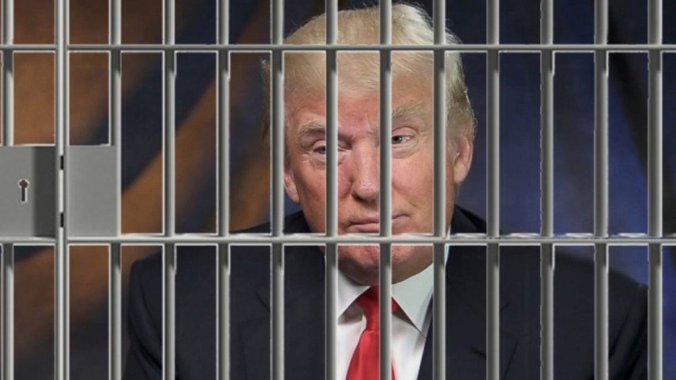
But the news media won’t stop, simultaneously fueling Trump’s continued influence and prominence and claiming that he is an existential evil who must be destroyed. This obsession was excusable, sort of, when he was President, but now it is pure hypocrisy. Trump, of course, publicity junkie and narcissist that he is, loves the attention, and it makes him stronger. The other side of this weird coin is that he has also been grievously mistreated politically, journalistically and by the culture, to a historical degree. As with Bill Clinton when he was beleaguered by the Monica scandal, I have to grudgingly admire Trump for his resilience, endurance, and resolve. Clinton, however, only went through such travails for a year or so. With Trump, it has been constant since 2015. His defiance is Churchillian.