Part I set some kind of Ethics Alarms record for reader disinterest, which I much admit, I don’t understand. These are all topics we have covered in some detail here over the last year, and the analysis of them by the alleged “newspaper of record’s” experts is, to say the least, perverse and revealing…yet the post’s first installment inspired just a single comment. Well, the Times’ take on the remaining issues are arguably worse. I find it fascinating, anyway. Here’s the rest of the highlights…
Can we save the planet?
It is embarrassing for a supposedly respectable news organization to frame an issue in such a hysterical and intentionally fear-mongering manner, which assumes one side of a debate is correct without reflection of nuance. The Times’ author on this topic, Farhad Manjoo, is a tech reporter, not an expert on climatology, so he has been given a platform to opine on something he doesn’t understand sufficiently to discuss reliably. On the topic of climate change, this is, sadly, typical. His article contains the kind of sentence midway through that would normally make me stop reading because of the bias, spin, hyperbole and mendacity: “During the Trump years — as the United States tore up international climate deals and flood and fire consumed swaths of the globe — unrestrained alarm about the climate became the most cleareyed of takes.”
There were no “climate deals,” just unenforceable virtue-signaling and posturing like the Paris Accords; the link between present day “flood and fire” and climate change is speculative at best, and unrestrained alarm is never “cleareyed,’ especially when those alarmed, like Manjoo, couldn’t read a climate model if Mr. Rogers was there explaining it. Then, after telling us that the Trump years were a prelude to doom, he says that since 2014, things are looking up. Much of what he calls “bending the needle” occurred under Trump.
Should the Philip Roth biography have been pulled?
This one is so easy and obvious that the fact that the Times thinks it deserves special attention is itself a tell. The answer is “Of course not!,” as an Ethics Alarms post explained. An absolutely competent biography was pulled by its publisher, W.W. Norton, never to be in print again, because its author, who had written other acclaimed biographies, was in the process of being “cancelled” for allegations of sexual misconduct toward women. I wrote,
“…[P]ublisher W.W. Norton sent a memo to its staff announcing that it will permanently take Blake Bailey’s biography of Philip Roth out of print, as a result of allegations that Bailey sexually assaulted multiple women and also behaved inappropriately toward his students when he was an eighth grade English teacher.
If that sentence makes sense to you, The Big Stupid has you by the brain stem.
It apparently makes sense to the Times, although its review of the matter doesn’t answer its own question. Why not? This is also obvious: as journalists, the idea that what a writer writes should be judged by what a writer’s personal life has involved is anathema, but the Times’ readers are so woke that the paper would dare not say so. Integrity! Continue reading →


 Ethics Alarms
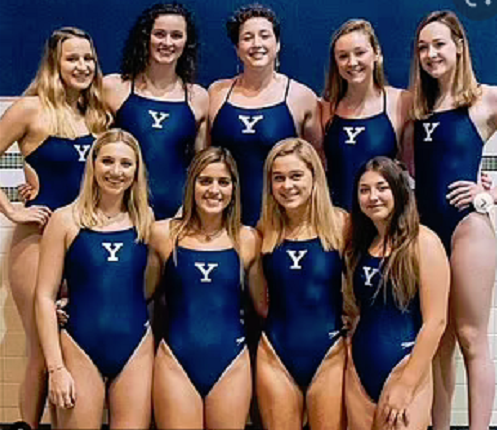
This part is unforgivable and exposes a tainted, delusional worldview:
“patriarchal forces — the forces that tell girls and women in particular to be small, meek, slight, slim and quiet…”
Let’s break down what the “patriarchy” is supposedly demanding of girls, according to the lens through which people indoctrinated like this see the world:
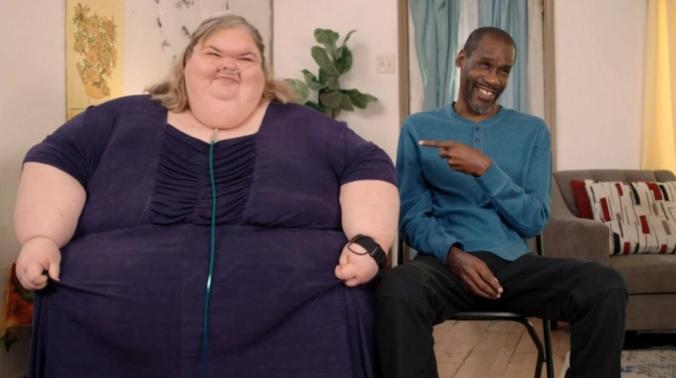
1. “Small” – Women are smaller than men, across the board. Is biology a patriarchal system? Is she saying that by ballooning out into an obese woman, she will achieve equality with taller men and their more dense body structures? Or is she just saying that the patriarchy demands healthy women? (Historically, that’s not even true, if old European paintings have taught me anything.) But even if it were true that the patriarchy desires fit women, survival in a state of nature also demands a healthy body. If anything, “patriarchal” structures (like agriculture and cities) have made it possible for obese people to even exist in the first place. In some utopian feminist treehouse-jungle, fat women would just be eaten by tigers.
This is even dumber when you consider that NOBODY likes, wants, or respects a fat man. As if the patriarchy loves fat dudes but not fat women. She’s already veered into insanity, and it’s just getting started.
2. “Meek” – This is also a product of biology, not culture. Men have higher levels of testosterone, which means they generally take more risks, are louder, more aggressive, and act out more physically, compared to women. If women were as aggressive as men but with otherwise the same biology, they would be getting themselves killed in violent confrontations with men at obscene rates throughout history. It’s not likely that the demographic balance between men and women would even be sustainable that way, which means over time women would just go back to being largely “meek” again, as less aggressive women would outlast more aggressive ones. Instead of celebrating the unique qualities of women, this philosopher thinks that it’s unfair that women aren’t just…men.
Continue reading →