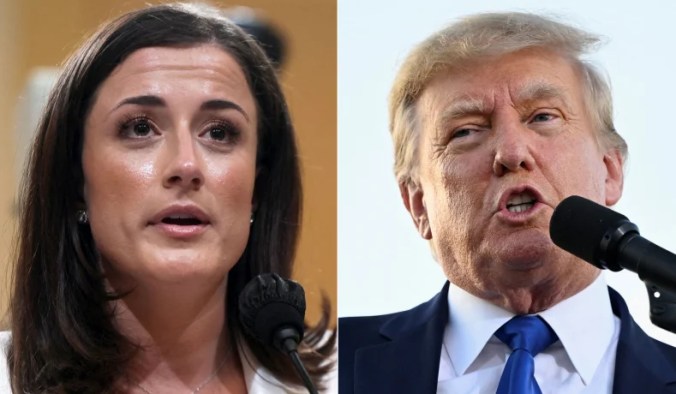
Lest I be accused of minimizing the Cassidy Hutchinson testimony before the House January 6 Star Chamber this week, I direct EA readers to to this National Review article by the usually fair and perceptive Andrew McCarthy, a former federal prosecutor. He calls the testimony “devastating” and inveighs, “Things will not be the same after this.“
I don’t know what he thinks isn’t going to be the same; maybe you can enlighten me. Are there really people out there who will be surprised that Trump threw tantrums, objects and ketchup bottles, or that when he was angry and excited, he was irrational? Does McCarthy really not know that many Presidents, in private, with staff, in meetings, and similarly dealing with the most stressful jobs imaginable, have behaved outrageously, except that in their case did not have dozens of leakers, disloyal aides and other staff and others determined to undermine them as well as an almost unanimously hostile press to publicize rumors, gossip, suspicions and facts indiscriminately? Really? Presidents, as a group, are not normal or emotionally healthy: if they were, they wouldn’t have sought the Presidency or achieved it. Is Trump worse than most, or even all in this regard? Maybe, probably; why do you think Ethics Alarms kept repeating for over a year that he must never be elected? Does McCarthy not know the history of the Type A CEO personality in this country? About Henry Ford employing a guy whose sole job was to chop the desks of fired Ford Executive into kindling so they would know they had been fired? Nevertheless, the fact that Trump acted and talked like anyone paying attention knew he would act and talk doesn’t mean he committed crimes.
Furthermore, once again we are getting “Trump wanted to do X” and “Trump said Y” while his staff and the Secret Service obstructed him when his stated desires were extreme, rash, an abuse of power, or just plain nuts. The staff did their jobs, in other words, just like dozens of Presidential staffs have done in other administrations. I’m impressed, in fact: Trump, thanks to the most competent old hands in the Washington swamp being bullied away or scared off for fear of becoming pariahs and not getting invited to swank Capital Hill wine parties, had a distinctly sub-par batch of advisors. They came through when they had to. Good for them. They were far from the first to stop a POTUS from doing stupid or reckless things.
Continue reading →

 Ethics Alarms