In May, Ethics Alarms began a review of the U.S. Presidents to separate the chaff from the wheat, keeping the chaff, and assembling the finalists for the Worst U.S. President Ever competition. The issue has gained more significance of late: President Biden’s polls are now the worst of any President at a similar stage in his first term, and his own party and its propaganda minions—you know, the mainstream media and its pundits—appear to be sharpening the metaphorical long knives. No potential finalists were found in the first ten Presidents, examined in Part 1. Among POTUSes 11-20, which EA covered in Part 2, there were three finalists, strong candidates all: depressed and drunken Franklin Pierce, lonely and inert James Buchanan, and poor Andrew Johnson.
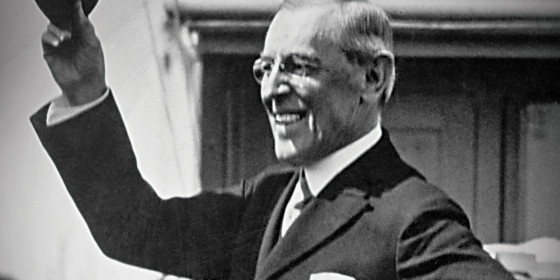
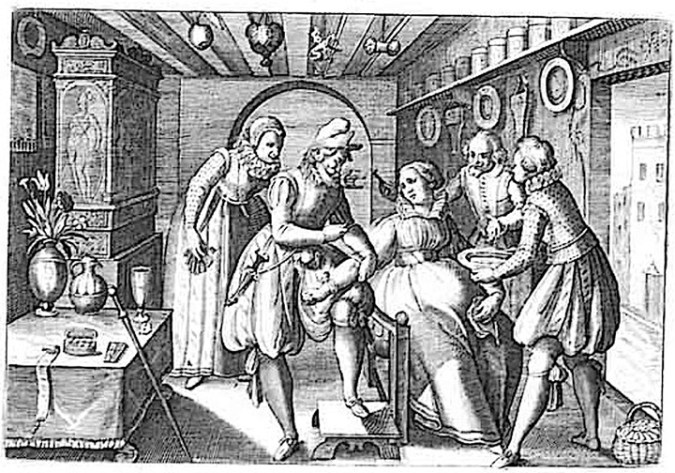
Let’s assess Presidents #21-28, technically eight, but really only seven, because one of them really needs a lot of exposition. The photo above is a clue…
President Chester A. Arthur, 1881-1885, who inherited the office after President Garfield’s doctors killed him, can’t be one of the worst Presidents, because he’s among the most over-achieving ones, as I’ve written about here and elsewhere. He rose to the challenge and surprised even himself. He also, unlike some Presidents I could name, refused to be a puppet of his party’s power-brokers, and did what he thought was in the best interests of the people. This ended with him being respected by the public and shunned by his party: he wasn’t allowed to run for a second term. If Biden is blocked from the nomination, it will be the first time since Arthur that a President who hadn’t removed himself from consideration after a single term was rejected by his party.
Arthur, however, was much more popular than Joe Biden.
Disqualified. Continue reading



 Ethics Alarms
This is as good a place as any to remind readers that comments chosen as a Comment of the Day does not necessarily represent my position or that of Ethics Alarms.
Here is Chris Maschner’s Comment of the Day on the post, “Today’s Dobbs Leak Freakout Developments And Observations”…
***
Zoe: Your citation was published in 1979, six years after Roe was decided. There would be no reason to publish this unless the practice was in need of a defense. That in itself suggests that significant attitudinal differences existed in American society even after Roe was decided. Those differences are still prevalent today and may even be more entrenched throughout the nation. Alito’s opinion made the point that Roe and Casey could not be settled simply by decree.
Continue reading →