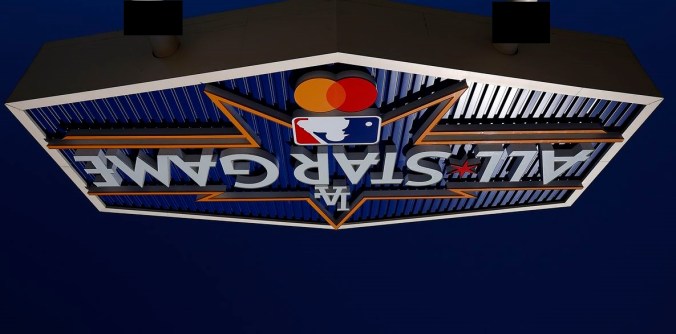
It almost isn’t worth writing about, really. Maybe it isn’t. I don’t care about the baseball All-Star Game any more, and haven’t for many years, so why should I care that it just got even worse? I mention it now, I guess, as a cautionary tale about life, entropy, management and ethics, because one of baseball’s great values is its usefulness as a metaphor for many more important things.
The All-Star Game, which will be played in Los Angeles this week, was once a major sporting event. The brainstorm of a Chicago sportswriter, the idea was to have a super-game, with two baseball teams made up of the best players in the American and National Leagues, as an exhibition to make money for a players’ pension fund. The two leagues only played each other during the World Series and were organizationally distinct, so it promised to create memorable confrontations that couldn’t be seen during the regular season. Moreover, the players approached the game as test of pride: as All-Stars elected by the fans, they didn’t want to lose or look bad, so they went all out.
It really was a great game most years. Player exploits during the game burnished their reputations and became legends. Television made the game even more popular
Then a series of events, developments and decisions caused the All-Star Game to rot, and its popularity to wither away. The life lesson: all things have a tendency to fall apart. Here is an incomplete list of the stages of the event’s deterioration: