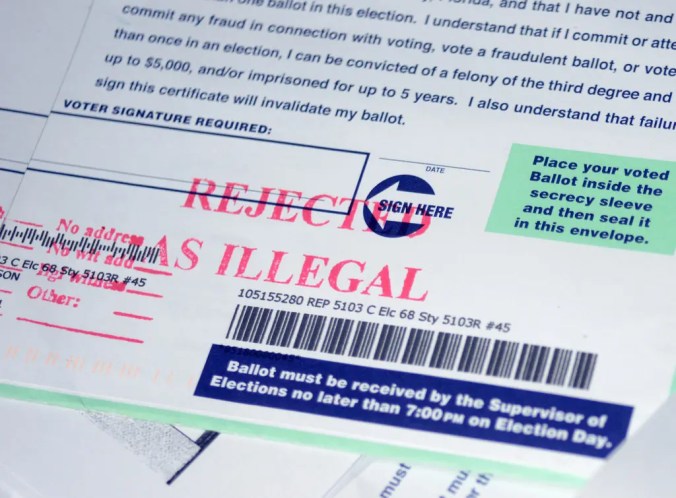
More than 18,000 voters in Texas’ most populous counties had their mail-in ballots rejected in the state’s primary election this month… a surge in thrown-out votes that disproportionately affected Black people in the state’s largest county and revealed the impact of new voting regulations passed by Republicans last year. In Harris County, which includes Houston and is the state’s most populous county, areas with large Black populations were 44 percent more likely to have ballots rejected than heavily white areas…The analysis also found that Black residents made up the largest racial group in six of the nine ZIP codes with the most ballot rejections in the county.
The Times concludes that the ballot rejections and the racial disparity in those rejections provide “the clearest evidence yet that the major voting law passed last year by the Republican-controlled Texas Legislature has prevented significant numbers of people from voting.” Is that a fair analysis? Doesn’t it matter why the disparity occurred?
In the Times piece, that question, which I would rank as indispensable to answering the basic ethics question “What’s going on here?” to begin the quest for a solution, is never asked, answered, or even speculated upon. “We have concrete evidence of the impact that it is having on primarily people of color,” Mayor Sylvester Turner of Houston,who is black, said in an interview. “People’s right to vote is being taken away. It’s almost like the 21st-century version of the poll tax, so to speak, when they were asked, ‘How many bubbles are in this bar of soap?’”
That’s some analogy you got there, Mayor. First of all, you are alluding to voter literacy tests, not poll taxes. With poll taxes, there was discrimination on the basis of the ability to pay. “How many bubbles are in this bar of soap?” is obviously an impossible question designed to illegally exclude voters. What is the similarly impossible requirement that black voters found so difficult to comply with in the Texas primaries? We are told, Continue reading