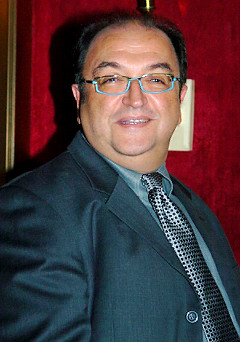
Listen to me, Roger, and I mean this in the nicest way: stick to gossip.
The Hollywood wagons are already circling around Woody Allen, accused—again, but now as an adult who can speak for herself—by Dylan Farrow of sexually abusing her when she was only 7 years old. Reading some of the statements issuing from Tinseltown, I am struck again by the ugly opposition any non-celebrity victim must face when accusing a powerful industry figure of wrongdoing. Luckily, many of the most vociferous defenders signal their desperation and their lack of basic comprehension of the issues, undermining their arguments.
Exhibit A is veteran Hollywood journalist Roger Friedman, who was quick to issue an article alleging, as he has for 20 years, that Dylan’s story is all part of a Mia Farrow plot to destroy innocent Woody. On his website, Friedman headlines his piece, “Mia Farrow Uses Close Pal Journalist in Woody Allen War: Writer of Latest Piece is Close Friend.” Friedman’s concept of what constitutes a “conflict of interest” is intriguing. His argument is that Times journalist Nicholas Kristof, who published Dylan’s open letter on his blog, is friends with Mia Farrow (Friedman implies that they are romantically involved while specifically saying that he isn’t implying it–his evident journalistic sliminess would undermine even a fair article, which this is not), and that this makes Dylan’s letter less credible. What he doesn’t explain, since he can’t, is why the same letter would be any more credible or reliable whether Kristof published it or someone else did. Continue reading