It’s as if these situations seek me out.
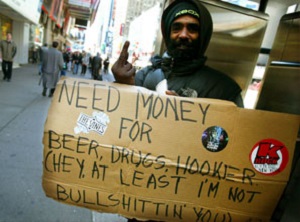
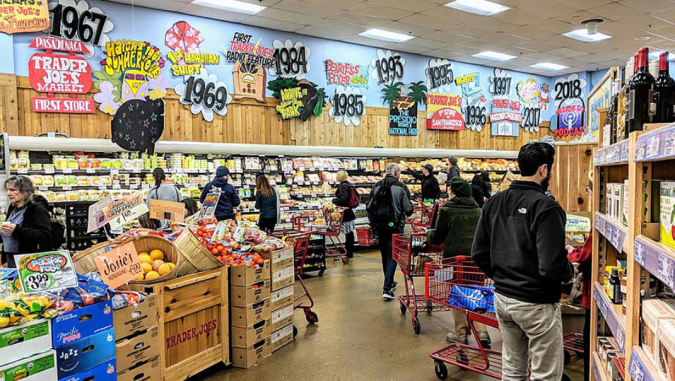
Here I was at Trader Joe’s, doing a quick grocery run after a Zoom seminar, when a small, dark, middle-aged woman woman speaking some variation of English stops me. “Please, sir.” she says, and flashes a card with words written on it. “I am poor and hungry and have children,” it says.
That’s a first: a panhandler in a grocery store. I told her to wait a second and I dug in my wallet to find six bucks, which I gave to her. Then she showed me a basket of some kind of consumables. “Buy food?” she said. What, did she take credit cards?
I shook my head and left. But by the time I got to check-out, the scenario bothered me. Trader Joe’s has a hippie vibe, even a cultish vibe, so maybe panhandlers are welcome, but an in-store competitor seemed a bit over the line. I ultimately decided to blow the whistle on her, and told the store manager on duty that someone was peddling their own commodities in the store. My reasoning: if Trader Joe’s wants to allow that sort of thing out of fatal empathy, it’s their choice. But they at least should know about it.
I half expected the manager to say, “Oh, that’s just Gladys. She’s harmless.”
This ethics decision-making episode fell into my Golden Rule basket. If I was the store owner, I would want to know about Gladys, or whatever her real name was.
I’m still feeling guilty, however.