Travel blogger Margie Goldsmith has a provocative post about a nightmare flight she experienced on American Airlines. You can read it here. The plane had one problem after another, all of which were
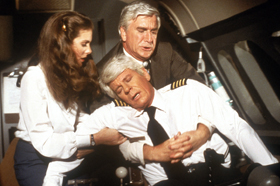
How much about what's happening in that cockpit do we really want to know?
described in terrifying detail by the captain, who cheerily informed them that:
- The plane’s hydraulic system was leaking and had to be repaired
- During the delay, the pilot was going to watch a video about how to take off from that airport, which was especially tricky.
- The new plane the passengers were later moved to had been really foul-smelling, and needed to be completely cleaned and deodorized
- The new plane’s hatch wouldn’t close properly, and..
- They finally sealed it with duct tape, and were going to fly that way.
Goldsmith ends her story with this: “The next time I’m on a delayed flight and the Captain does not announce the reason for the hold-up, I think I’m going to be one happy passenger.”
Your Ethics Quiz for today poses this question:
“Is it more ethical for an airline pilot to detail all the problems an airplane is having in the interest of candor and full disclosure, or should he or she just deal with the problems and not increase passengers’ anxiety over matters that they neither understand nor can do anything about?“
This an ethical conflict, when two ethical principles have to duke it out for precedence. Honesty almost always comes out the victor when it is involved in such competitions. Telling the passengers the exact reasons for flight delays also embodies fairness and respect. The argument against detailed disclosure—I’m sure the mechanics have experience with what duct tape can and can’t do, but I, for one, would rather not know what is holding the hatch closed—is based on responsibility and caring. It’s up to the professional staff to do their jobs, not to tell us about them; we trust that they are being responsible, and making passenger safety a priority. The captain shouldn’t lie, but leaving out the unsettling details is considerate and kind. Information isn’t valuable unless you can use it. In this case, full-disclosure seems needlessly inconsiderate, almost to the point of cruelty, as well as irresponsible.
I think honesty and candor lose this one.
Do you?
 Ethics Alarms
Interesting question and ethical dilemma. I agree with your conclusion and would add the harms to the passengers (i.e. worry and panic) outweigh the benefits of full disclosure, and it does show caring and concern to not unduly alarm the passengers. I’ve been in these situations before and find a brief explanation is best such as “We have to check out a system and will be on our way shortly. If there is any change, I’ll let you know.”
Welcome back! See…you were gone so long I had to re-moderate you!
This is especially true if you have passengers who may be prone to hysteria and try to deplane while in flight.
Yes, that’s never good…
I think you are generally right. But I think this is a case that calls for tact. I don’t think honesty “loses” in a case of tact; I think the candor of full disclosure in a situation like this is a “loser” dosage of honesty. There truly is such a thing as TMI (too much information).
I wonder if the talkative Captain was telling-all as dually a personal, “CYA” and proactive “liability-inclusion” (with other crew and support personnel) strategy?
Pingback: Ethics Quiz: Disclosing Information We have A Right To Know But … « Ethics Find