This issue, which I feel strongly about and have so written, more than once, reared its ugly metaphorical head again this week.
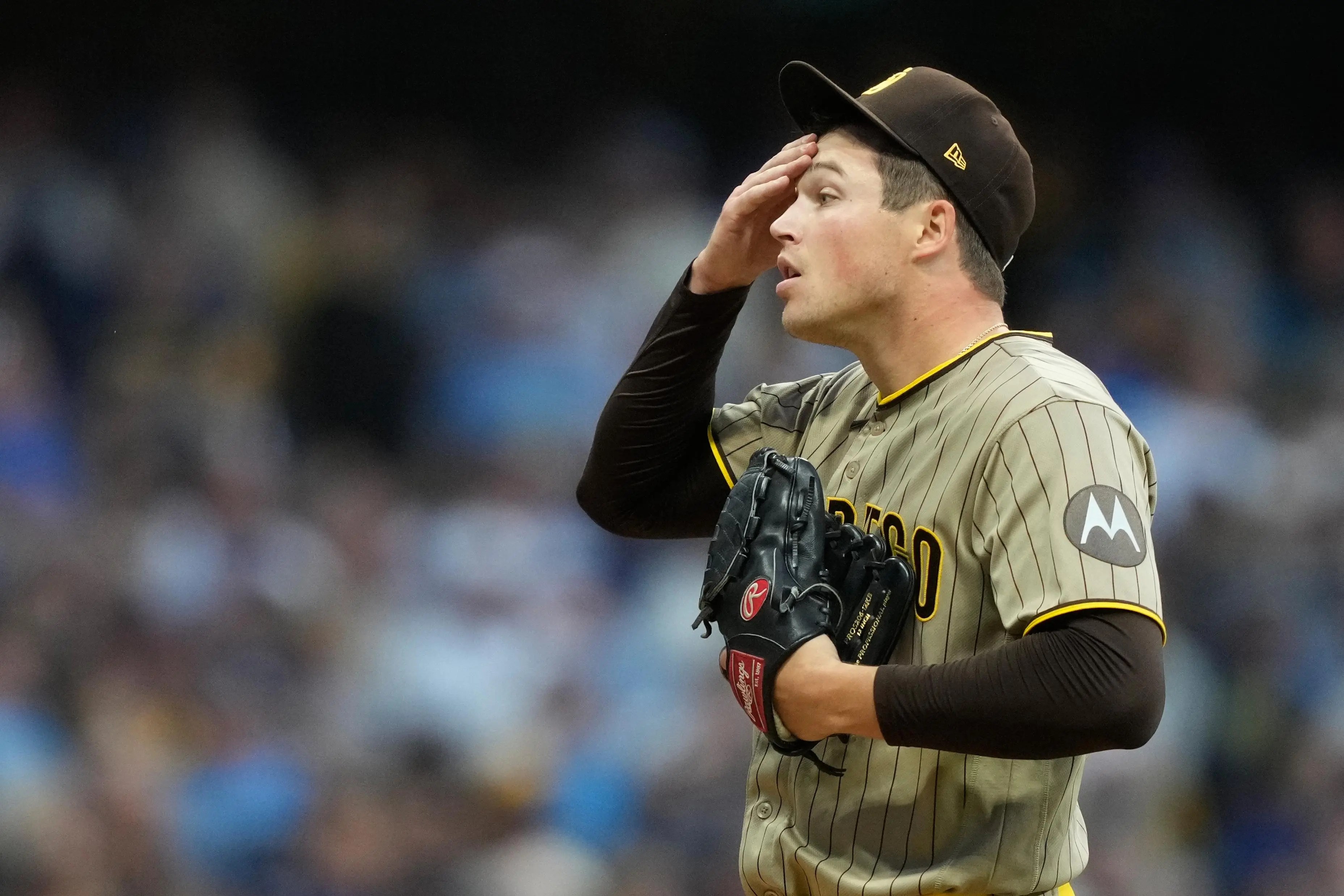
The San Diego Padres were added to the National League in 1969. The team has been in two World Series, losing both quickly; the last time was in 1996. They have only made the National League Championship Series three times. The team closed the season hot, and faced the best team in baseball, at least based on their record, the Milwaukee Brewers, with high hopes. Among the team’s many stars (more, in fact, then Milwaukee) is Mason Miller, by consensus the best 9th inning relief pitcher (aka “closer”) in the game.
The Padres lost the first game of the five game series due to a fluke, as described here. They lost Game #2 as well, and faced elimination in Game #3. It was “all hands on deck,” the Alamo, Custer’s Last Stand. Nevertheless, before the game, Mason Miller chose to take paternity leave, a privilege the players won in a contract battle with owners in 2011.
My ethics analysis of this conduct begins with “Just because you can do something doesn’t mean you should.” The entire season, 162 games, many millions of dollars, millions of fans, a city’s economy and community, players’ careers and income, managers’ and coaches’ jobs, team sponsors and more ride on which teams win in the post-season. My position is that Miller’s decision was selfish, irresponsible and a breach of duty. His team not only needed him, but depended on him. His wife’s pregnancy had had hit no crisis (I checked); she also had other support available. If I were a team mate or the management, I would conclude that Mason Miller could not be trusted. An employee who flees in a crisis is not a desirable employee, especially when the employee is paid $4 million dollars for eight months of service.
Moral Luck Alert! The Padres won the game without Miller, then lost the next one, ending their World Series quest.
Ethics Alarms hosted an intense debate on this exact topic in 2021. I wrote in part,

