Is Elizabeth Warren A Pit Bull?

You never know.

Lucky for her, she doesn’t look like one. Then again, she doesn’t look like a Cherokee, either…

After all, it is even easier to be designated a “pit bull” than a Cherokee, believe it or not. As a result, hysterics in the public and on the Maryland Court of Appeals have decided it is prudent to engage in the kind of bias and fear-driven racism regarding pets that would be condemned as brutally unjust if applied to humans.

The Maryland Court of Appeals ruled that “pit bulls” are “inherently dangerous” and will be subject to higher levels of liability, meaning, among other things, that there will be no “one bite rule” for these dogs, the usual trigger for determining whether a canine is a risk to humans, and that landlords will be forcing tenants to either get rid of their “inherently dangerous” dogs or move out. The ruling is  the result of bad reasoning, bad information, bad statistics and bad law, not to mention bias. What kind of legal standard depends on a term that has no definition and no way to determine what fits it? Yet that is what the Maryland pit bull ruling does.

As I have noted here in other posts, “pit bull” is a generic term applied to several bull dog and terrier-mix breeds, and mistakenly to up to 25 other breeds as well. This renders the deceptively used statistics of anti-pit bull zealot organizations like Dogs Bite.org completely worthless. I would say completely useless, but there are useful…for getting  perfectly gentle and trustworthy dogs killed. In its compiled statistics of deadly dog attacks, the organization states that “pit bull-type dogs” are responsible for 59% of fatal attacks on humans, contrasted with specific breeds like Rottweilers. The category of “pit bull-type dogs,” however, includes at least five distinct breeds that are often called “pit bulls”—  the American Bulldog, American Pit Bull Terrier, American Staffordshire Terrier, Staffordshire Bull Terrier, Bull Terrier, and the Mini Bull Terrier. Anti-pit bull breed-specific legislation also includes absolutely non-pit bull breeds in its definition of “pit bull types” in many jurisdictions, breeds like the Boxer, Bull Mastiff, Boston terrier and French Bulldog, the last two especially deadly threats to lick you into submission. Such laws are, in truth, dog legislation created by people who know nothing about dogs, but who are perfectly willing to take responsible people’s loving pets away and kill them if it will mollify some phobic voters.

Then there are the dog breeds that may be called “pit bulls” by dog attack victims who can barely tell a dachshund from a Great Dane. Among those “pit bull-type breeds” are the Alpha Blue Blood Bull Dog, American Bulldog,  American Pit Bull Terrier, American Staffordshire Terrier, Banter Bull Dogge, Black Mouth Cur, Boston Terrier, Boxer, Bull Terrier, Bulldog, Bull Mastiff, Cane Corso, Dogo Aregentino,  Dogo Canario, Dogue De Bordeaux, English Bulldog, English Mastiff, Fila Brasileiro, Fila Mastiff, French Bulldog, Italian Mastiff, Mastiff, Mini Bull Terrier, Neapolitan Mastiff. Old English Bull Dogge, Patterdale Terrier,  Presa de Canario, Staffordshire Bull Terrier, Spanish Mastiff, and the Valley Bulldog.

So what does the predominance of “pit bull type dogs” in the dog bite statistics tell us? It tells us that a lot of fearful, ignorant people—and judges— don’t know what pit bulls are, but they are afraid of them and want to wipe them off the face of the earth anyway.

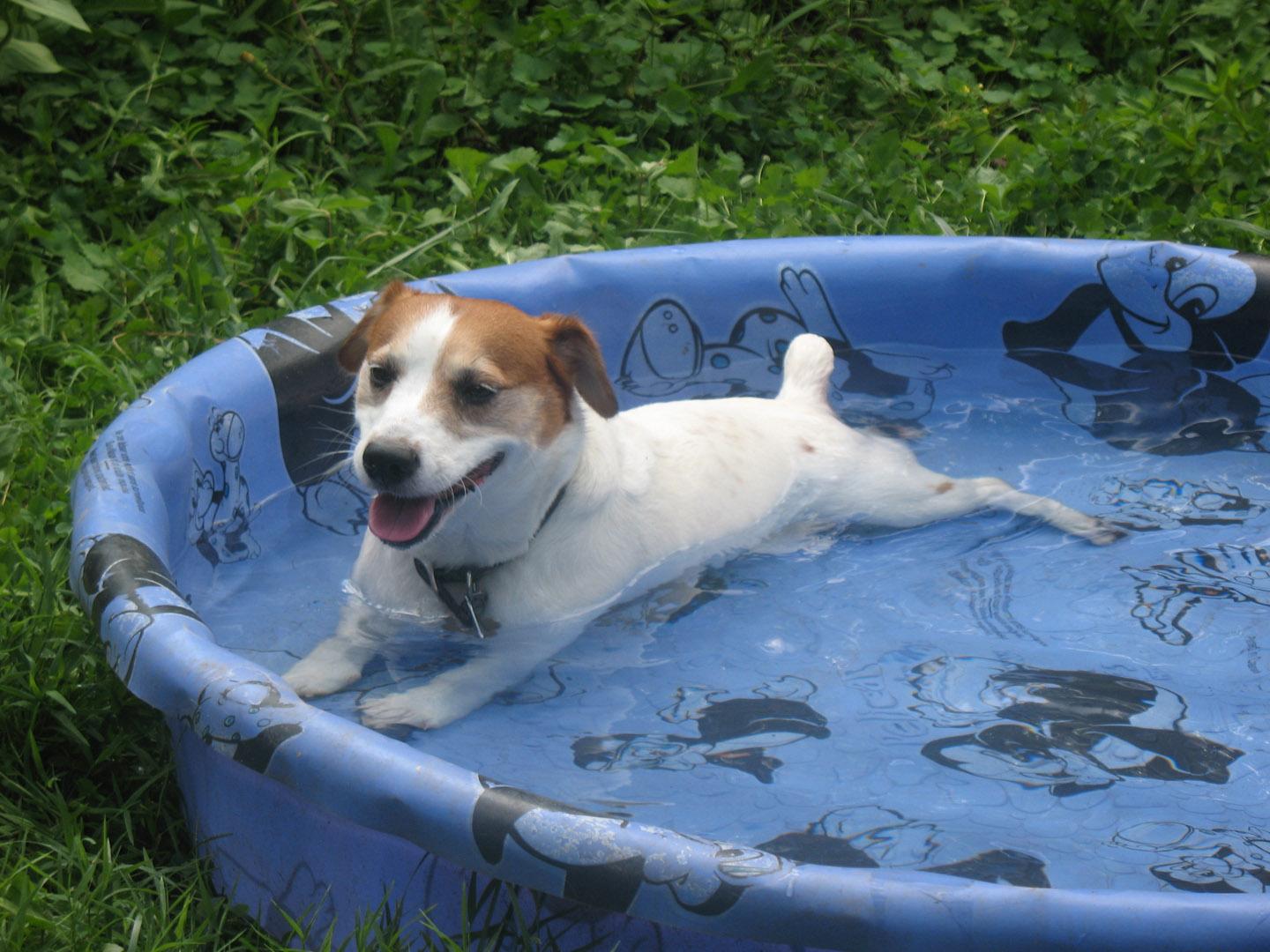
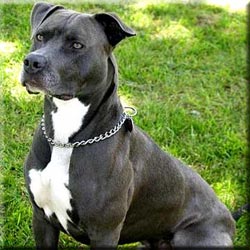
For the record, there is only one true pit bull, the American Pit Bull Terrier, which looks like this:
Continue reading

Ethics Quiz: The Conundrum of the Crushed Crab

“OH THE HUMANITY! I mean…well, you know what I mean…”

A good friend related this scene on Facebook, and asks if she is losing her mind:

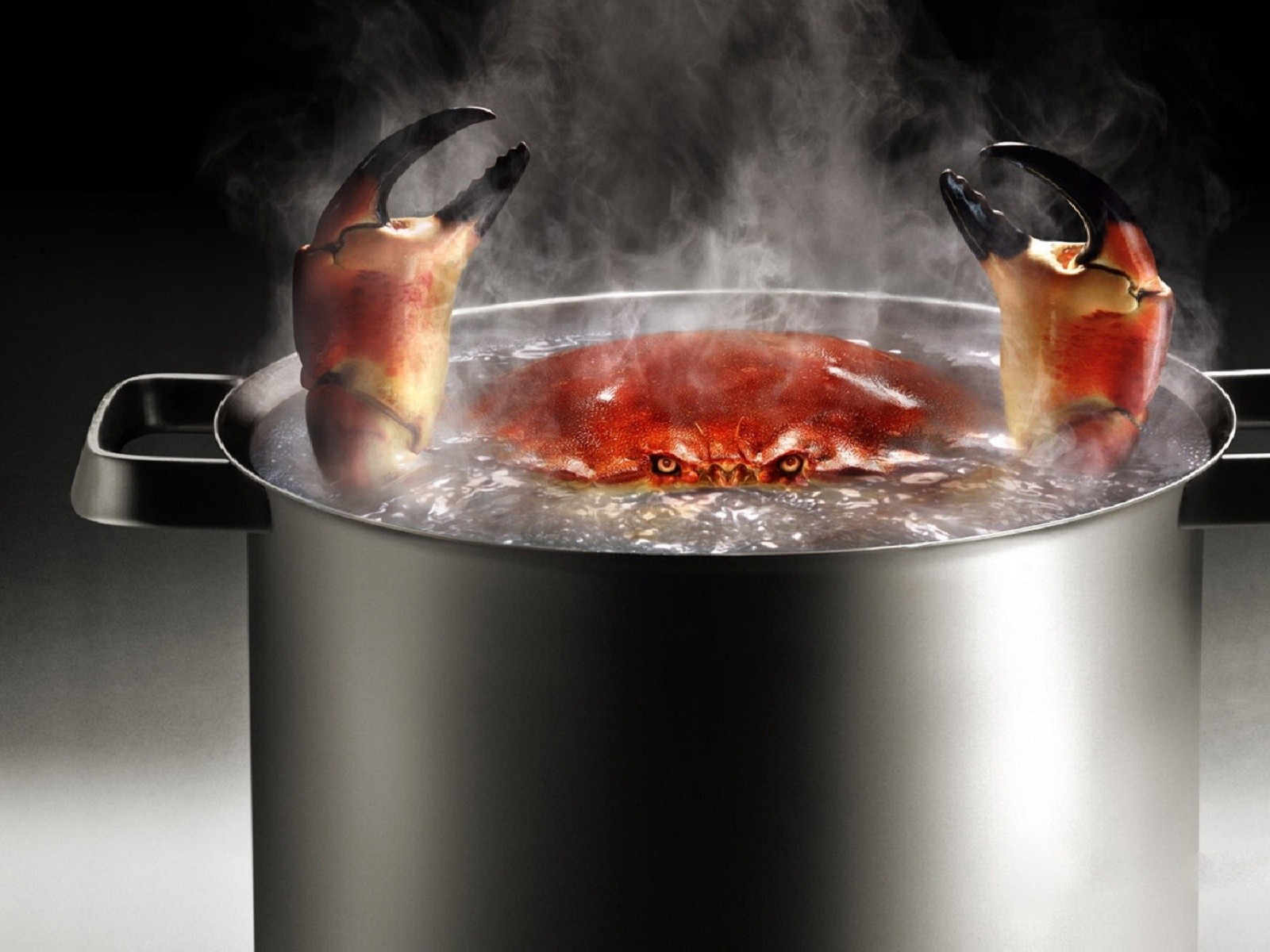
She was shopping at the open air fish market on Maine Avenue in Washington, D.C. when a vendor, whose cart was full of live blue crabs, had an escape attempt. One of the crustaceans made a dash for freedom, only to be squashed by the wheel of the cart.  “I screamed and then burst into tears,” she wrote. “It was awful. I tried to save the little guy.”  Then she realized that people were laughing at the drama, thinking it was a comedy….laughing at the crab getting crushed and at my friend for being upset by it.

She wrote: “Now I know he was destined for a pot of boiling water. But somehow – seeing that little creature getting run over was just too much for me. I know someone was going to eat that crab – but do we have to be cruel?”

Your Post-Mothers Day Ethics Quiz for crab mothers everywhere:

Were the laughers cruel, or merely recognizing a funny scene when they saw one? Continue reading

A Dinosaur Brain Fart From Fox

“All right, who farted?”

Here’s a rule that I would like to propose: if a news outlet can’t find a reporter who has the education and analytical ability to comprehend a complex concept, then the story shouldn’t be covered at all. Better no coverage than misleading coverage. What do you think?

Of course, this would mean that about half of all news stories wouldn’t be covered, since if journalists had the ability to understand those topics, they would have entered professions other than journalism.

Fox News shocked the world this week by announcing that a new study had shown the dinosaurs farted themselves out of existence: Continue reading

Dear Abby Follies: Ethically Frightening Question, Ethically Inadequate Response

Oh, yeah,THIS is going to turn out well...

How is this for a letter that makes proposals to require licensing for parents seem reasonable?

“DEAR ABBY: I have a beautiful wife, a dog and an 8-year-old son I love to watch sports with. My son loves sports, but he has trouble accepting a loss. He’ll take out his disappointment by beating the dog. My wife doesn’t want to get rid of “Patches” because she has had him since college. I don’t want to put my son through counseling because he said he’ll hate me forever if I do. I’m afraid if the problem isn’t controlled, my son’s life goals may be affected. What can I do? — GOOD DAD IN CLEVELAND”

What can you do? Well, to begin with, you can seek counseling for yourself and your wife, and read some books on Parenting 101. Continue reading

Joke Ethics: The Obama Dog Jokes Dilemma and The Gut Test

The question: how should fair and ethical people regard the viral “the President eats dogs” jokes? This depends on the standards we choose to apply—and remember, double standards are banned.

  • Is it a humor standard? Political jokes don’t have to be fair; most of them aren’t. They have to be funny. If they are funny, they don’t have to be especially tasteful, either.
  • Is it a motive standard? If the real motive for the flood of jokes is to undermine the President in an election year by using absurd images to make him look ridiculous, should that be condemned? Continue reading

Tit For Tat Ethics, Canine Division

Rugby For President!

There has been entirely too much written about this topic already, but I do have a pedigree here. I wrote disapprovingly about Mitt Romney’s now infamous episode of dog cruelty way back in 2007, concluding…

“For me personally, the incident is enough to convince me that I don’t like the man, and probably never will. And my feelings as I look at the sweet-tempered and loyal Jack Russell terrier now sleeping on my desk, with his small head resting on my forearm, tell me that me that I would write Rugby’s name on a ballot before I would give Mitt Romney my vote for President of the United States. But that’s not an ethical decision, only an emotional one.”

My feelings about Romney strapping the pen containing his Irish Setter on the roof of his car from Boston to Canada haven’t changed much. Now as then, I think his callousness to the animal who loved him is relevant to his fitness to be President but not dispositive of it. Again from 2007: Continue reading

Bear to the Rescue!

No, I don't think "Jurassic Park's" T-Rex felt sorry for Sam Neill...

Robert Biggs is a naturalist who often hikes in California’s Bean Soup Flat area.  He was hiking recently there when he came across a mother bear, a yearling and a newborn. Biggs had  seen the same bear and its older cub last spring and fall, and said that they developed something of a trusting relationship. “The cub stood up on its hind legs and put its paws up and I got to play patty-cake with it,” he said.  He said the mother bear watched the two play and her only reaction was to call the cub back.

Yes, Biggs is apparently insane. But never mind.

After watching his patty-caking bear family, Biggs continued on his hike up the trail. As he turned to go, a mountain lion lept on his back, knocking him to the ground.  “They usually grab hold of your head with all four paws, but my backpack was up above my head and the lion  grabbed it instead,” Biggs said. “It must have been stalking the little bear, but it was on me in seconds.”

He tried to fight off the predator, but it didn’t let go. Suddenly, Biggs’ pal the mother bear came from behind and attacked the lion, tearing its grip from the backpack. They fought as Biggs sought safety; the big cat finally retreated.  Biggs had bite marks, scratches and bruises to his arm, but was otherwise uninjured. Continue reading

“Luck,” Causation, and the Complex Computation of Mixed Motivations

Was it good luck, or bad luck?

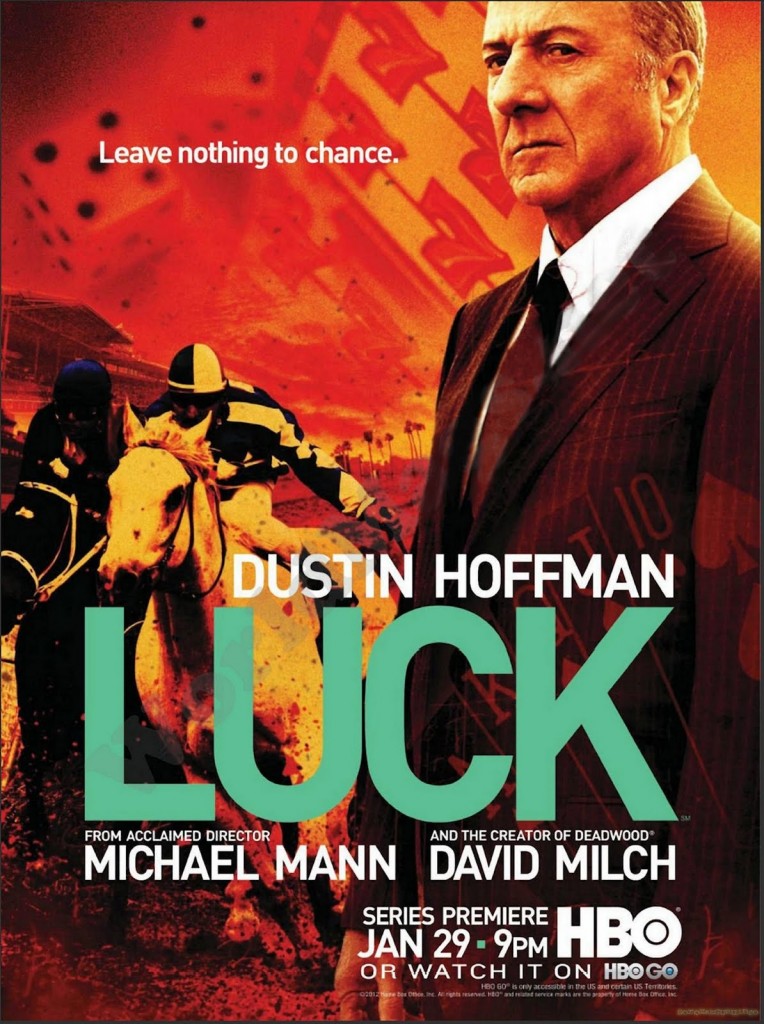
HBO has announced that it is cancelling “Luck,” its well-reviewed series about corruption in the sport of professional horse-racing. Why? Well, that’s an interesting question.

The immediate impetus for the decision was the death of a one of the horses used in the series. It was the third horse to die, so the announcement took the form of a sensitive and humane decision based on concerns for the animals. “While we maintained the highest safety standards possible, accidents unfortunately happen and it is impossible to guarantee they won’t in the future,” HBO’s statement said. “Accordingly, we have reached this difficult decision.”

I was initially impressed, but a couple of things about the move, which seemed uncharacteristically ethical by show business standards, bothered me. “Luck” was much-praised but low-rated, despite a cast headed by Dustin Hoffman and Nick Nolte and a production team headed by respected film director Michael Mann. Though it had been renewed for a second season, some felt that the renewal was dictated by a corporate decision not to embarrass its Hollywood royalty. Continue reading

Is Cosmetic Surgery For Dogs Eth…Oh, For Heaven’s Sake! I Can’t Believe I Have To Ask!

NPR’s gag current events quiz show “Wait, Wait, Don’t Tell Me!” got gasps from its panelists, its audience and me this week when it discussed the supposedly growing trend of “canine plastic surgery”, including “face lifts for dogs.” WWDTM was, as is often the case, being a bit misleading in the interests of time and humor: the case that prompted the discussion was the story of a British couple who had spent thousands of dollars on wrinkle-reduction for their bloodhound, but it was not, as she show led us to believe, an effort to create a canine Joan Rivers. The dog had a rare medical condition in which it developed excessive skin folds that covered its eyes. Truth may be stranger than fiction, but sometimes it’s not as funny.

While researching the bloodhound story, however, I learned about “Neuticles”

—fake testicles implanted in neutered dogs in order to…well, what, really? Continue reading

Weekend Ethics Catch-Up

If you took an ethics break this last weekend of February, here’s your Ethics Alarms make-up assignment: