
You never know.
I assumed yesterday that I wouldn’t be writing anything about the Oscars, which have politicized and wokified the ceremony into irrelevance, and here we are with the third Oscars-related post, following my my earlier ones here and here. This, a Comment of the Day by one of Ethics Alarms’ most veteran (and most restrained) commenters, Tim LeVier, is also by far the best, delving fearlessly and perceptively into the ethical issues raised by Will Smith’s astounding physical attack on Chris Rock in front of the Hollywood glitterati and an American TV audience of diminished but still significant numbers.
Before turning things over to Tim, I will mention here, because I may forget later, that my print version of the New York Times today included a story covering last night’s awards and broadcast that did not mention the Smith-Rock episode at all. How do you explain that? The story included Oscar fashions and the “historic” awards (apparently whoever plays Anita in “West Side Story” must get a statuette); it mentioned the three smug hosts’ infantile “Gay, gay, gay!” chant. But a major star attacking a major comic on stage in an iconic awards ceremony wasn’t deemed by the New York Times as “news.”
What a great newspaper. If anything called for the “Naked Gun” clip, this does...
Now, here is Tim’s Comment of the Day on the post, “Additional Morning Thoughts: ‘Smith Vs. Rock At The Oscars'”….
***
Honestly, I’m more interested in the public reaction than the event itself. People seem to have this immediate need for clear thinking and the next chapter of the story. It’s a problem in our society more commonly referred to as instant gratification. Most of the posts and hot takes are in this vein but with varying objectives.
The pearl clutchers are the worst. “Why didn’t a police officer go an arrest him?” “Why didn’t the show director eject him?” “Why didn’t security intervene?”
Police need a complaint. The director needs time. Security aren’t in on the performance and have a tough time knowing reality from fiction particularly when the assaulted party engages with the assaulter and the assaulter casually moves into position.
It will be interesting to hear from Glenn Wiess the director and any producer about the mental gymnastics they were doing to figure out how to proceed. In the moment, during that commercial break, I’m sure it was “Is everyone cooled down now?” “Can we get through the remainder of the program?” “Am I required to take action?” “What does Chris Rock have to say?”
It was an unprecedented moment for sure and I guarantee there are some figures having discussions this morning on how to treat this going forward. There will be bright line rules put in place for the future. Everyone has now considered this predicament. Should it happen again, that person will be ejected….and then we’ll get to hear about “double standards” and “hypocrisy”. Continue reading


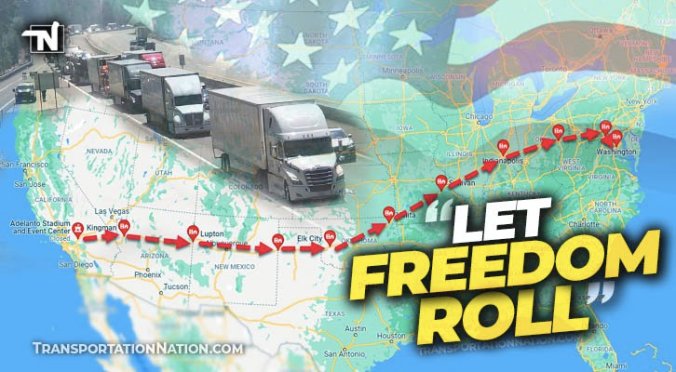


“The First Amendment, and whatever the Canadian equivalent is (however weakly codified) does not protect actions that interfere with lawful commerce or disturb the peace to the point of mischief.”
Well I’m glad you asked!
Canada also has a constitution, although ours wasn’t predicated on the same base narrative as America’s. As an outsider looking in, America’s constitution is almost paranoid in nature, usually you don’t draft the founding documents to a nation’s governments under the auspices of governments being tyrannical and specifically with an emphasis on protection from that tyranny. I make no negative values judgement there…they work, in a stiffly rugged way. To highlight the differences between Canadian and American constitutional theory: Where the founders wrote “life, liberty and pursuit of happiness” in America’s declaration of independence, Canada’s founders instead wrote in “peace, order, and good governance”.
Our Canadian constitution is more malleable, and over the years, it’s been broadly re-imagined. Instead of enumerated amendments to the constitution, in 1982, Canada codified our rights in a portion of our constitution called “The Charter of Rights and Freedoms”.
Continue reading →