There are circumstances in which all ethical options have been eliminated by poor choices and bad luck. Henceforth Ethics Alarms will refer to this dilemma as ethics zugzwang, zugzwang being a chess term for the situation where a player must make a move, and any move will worsen his position.
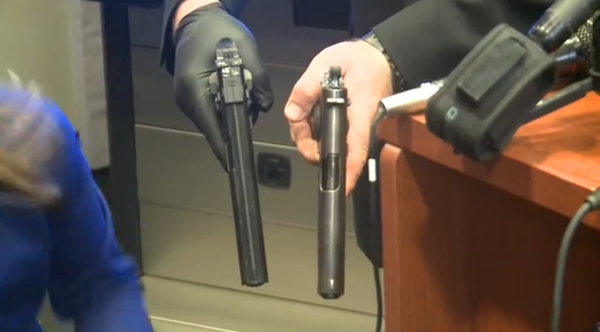
By the time the killing of Tamir Rice got to the grand jury, it was ethics zugzwang. The grand jury’s decision not to charge the two officers involved is troubling, and a decision to charge would have also been troubling. To get anything out of this utter and fatal fiasco, a lot has to change, and we have to recognize what in order to make those changes occur. It won’t be easy. I think it may be impossible.
There is no way that the justice system can do its job objectively and well when every police shooting involving a black victim is instantly labelled racist and murder by vocal activists, pundits and and social media, with the implied threat of civil unrest. If an indictment is handed down as in theFreddie Gray matter in Baltimore, it appears as if mob passions are manipulating the system, and, in the Gray case, it was. Such a result, in turn, makes it more difficult for the next accused cop to get justice. It estranges the police force from the government entity it serves, and makes police wary and less likely to assume the risks associated with their vital and inherently dangerous job.
These considerations create their own impetus making a failure to indict more likely. A city cannot afford to be seen as not supporting the police, even when they make a deadly mistake in judgment. District attorneys are on the same team as police, and automatically share their perspective; it is important that the police recognize that. The police receive the benefit of every doubt, and the deserve that. Yet a failure to indict, especially now that police shootings have become high profile matters that every blogger and pundit prejudges according to their own biases and agendas, will inevitably be used to indict the system instead. Continue reading





Nesting Comments of the Day again, as Belle’s reflections on how the cultural celebrations of Christmas made her feel “othered” as a child was met with many excellent responses and a lively thread. Pennagain’s (that is to say, the Commenter Previously Known As Penn) comment, however, surpassed tough competition, and thus we have the Comment of the Day on the post, Comment of the Day: “On the Importance Of Christmas To The Culture And Our Nation : An Ethics Alarms Guide”:
First impressions aren’t that easy to shrug off. Belle’s comment that she “was always sure that Ebenezer Scrooge was a commentary on the Jews” reawakened a long dormant spectre of mine. So, Google to the rescue, I went searching for the 65-year-old source and damned if I didn’t find it: My oldest Scrooge image is not from Dickens; it’s from the Rackham illustration of Shylock from Charles and Mary Lamb’s incomparable childrens’ (anyone’s!) introduction to Tales from Shakespeare:
Continue reading →