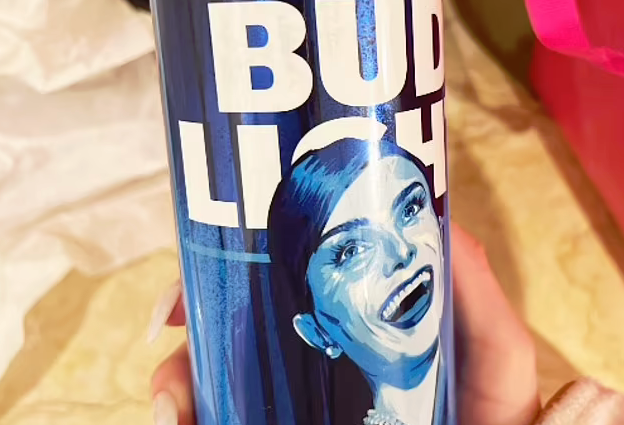
When I implied that with yesterday’s post about the Bud Light-Dylan Mulvaney fiasco I was through commenting on the matter, I didn’t mean to preclude others from doing so. Here, Michael R. opens up a whole new wing of commentary that I managed to keep shuttered.
Today was also another entry on the episode’s timeline with ethical resonance: The CEO of Anheuser-Busch tried to avoid some accountability in an earnings call with investors by insisting that the whole thing was misinterpreted, was “not a campaign,” and should not have had so much attention attached to it. He also promised investors that Bud Light will triple its marketing spend this summer to undo the damage that the company was not really at fault for. “Anheuser-Busch did not intend to create controversy or make a political statement,” he said, unconvincingly. “In reality, the Bud Light can posted by a social media influencer that sparked all the conversation was provided by an outside agency without Anheuser-Busch management awareness or approval. Since that time, the lack of oversight and control over marketing decisions has been addressed and a new VP of Bud Light marketing has been announced.”
How do investors retain trust in a company with such loose and inattentive management that this could happen? Is just announcing, “Not to worry, it’s all fixed now!” sufficient to restore their confidence?
Just asking, not observing.
Here is Michael R’s Comment of the Day on the post, “Final Ethics Observations On The Bud Light-Dylan Mulvaney Ethics Train Wreck”:
***
I don’t see this as a boycott. I see this as people being done with a product. People boycotting something usually have demands. Bud Light’s former customers aren’t demanding anything. They are just done with the brand.
Let’s see the timeline of events:
(1) Company hires feminist, woke, woman as ‘historic’ hire.
(2) Woke female executive finds that none of her friends use or patronize ‘her’ product.
(3) Woke female executive finds that the customers of ‘her’ product are not ‘cool’ or ‘hip’, like her friends, but are ‘frattish’ and ‘out of touch’. Some of them might have even voted for Trump!
(4) Woke female executive decides that the brand is ‘dying’ despite its great success, so she needs to turn the brand around.
(5) She decides to ‘turn the brand around’ by getting rid of the current customers and attract a new, better clientele.
(6) This turnaround is accomplished by destroying the brand for the existing customer.
Oh, I’m sorry, that was the timeline of events for the destruction of Star Wars.
Continue reading →