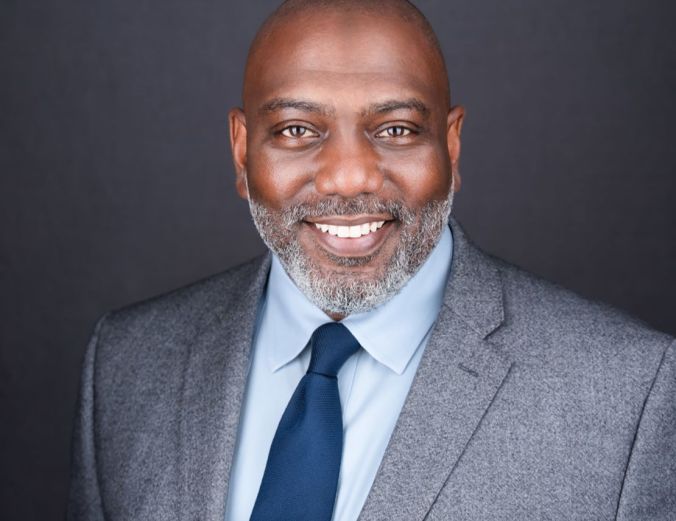
Confirmation bias may be the most destructive bias of them all, creeping into the best of minds and casing them to malfunction wildly, and, in tragic cases like that of Basil Smilke, causing them to say and do things that destroy their credibility while making them look ridiculous. This is the bias that makes human beings see and believe what they want to see and believe when a conflicting reality is right in front of them.
I actually did a Danny Thomas spit-take when I read Smilke’s opinion column on CNN’s website titled, “Kamala Harris is not a liability. She may be Democrats’ best weapon.” I got a mouthful of coffee on Spuds, who was lying on me, and he was not pleased. Reading the headline, I was prepared to see that the crazy thing had been authored by a student at Madame Louisa’s Home for the Bewildered, but no. Smilke appears to be well credentialed and to have all his faculties, not that being a professor and director of the Public Policy Program at the Roosevelt House Public Policy Institute of Hunter College is the highest step on the academic ladder, but hey: Hunter has more credibility than Harvard, and it doesn’t allow plagiarism.
Now, I recognize that Smilke is also a Democratic Party political operative and consultant, so there is an alternate explanation for the piece that doesn’t make him look like a confirmation bias-infected moron. He could be lying to the public and to Kamala Harris in the hopes of getting a job. That would be unethical, of course, but then he’s a Democratic Party political operative and consultant.
His opinion piece—and why would even CNN publish something this absurd?—reads like it was written under the influence of some powerful mind-altering drug. Here is his argument:
- Harris has been unfairly savaged by Republicans and conservatives (and a substantial number of Democrats, but he doesn’t mention that) because she is a black woman. It’s all sexism and racism. “Biden’s second-in-command, a former US senator and California attorney general, is being dragged down by a barrage of tropes, the kinds of chatter that many women and racial minorities frequently confront in politics.”



 Ethics Alarms