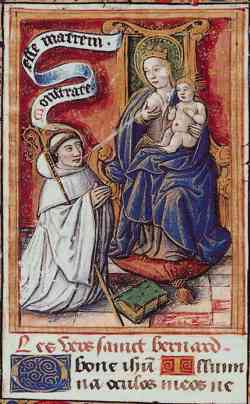
 Ah, yet another feast from the legal/ethical divide, with seasoning from the minority/majority ethics balancing dilemma, and a side-dish of favored group arrogance and entitlement! The beverage? Why breast milk, of course!
Yum!
Annie Peguero’s 19-month-old baby became unruly during the service at the Summit Church in Springfield, Virginia, so she nursed her, right there, in the church. She was quickly asked to move the operation to a private room, but Peguero refused.The church staff told her that it does not allow breast-feeding without a cover because the activity might make members of the congregation uncomfortable.
The mother of two left the church, and soon posted a livestream video on Facebook telling viewers her side of the story and urging women to stand up for breast-feeding.
“I want you to know that breast-feeding is normal,” she said.
Is it normal without any cover in a church? That church? Peeing is normal, but I wouldn’t rely on the “normal” categorization take a whiz in a pew. Farting is normal, but if I felt a big one coming, I would excuse myself. Eating is normal, but chowing down on a huge Italian sub during the hymns would be in bad taste. Sex is normal, but…well, you get the idea. Annie doesn’t.
To complicate the matter, breast-feeding is a legally protected right in Virginia thanks to badly written 2015 law that says women have a right to breast-feed anywhere they have a legal right to be. Dumb law, overly broad, and probably the result of pandering to the mommy lobby while assuming that mothers wouldn’t try to stretch the law to absurd limits. But Virginia also has a Religious Freedom Preservation Act, § 57-2.02, which says,
No government entity shall substantially burden a person’s free exercise of religion even if the burden results from a rule of general applicability unless it demonstrates that application of the burden to the person is (i) essential to further a compelling governmental interest and (ii) the least restrictive means of furthering that compelling governmental interest.
Do we really think that churches shouldn’t be allowed to have dress and decorum codes and policies? Continue reading



Public discussion and media reports is finally waning regarding United’s cascading botch of a full and fully seated flight in which the airline wanted to get four seats back and had neither the law, nor policy, nor sufficient justification to acquire them. Thus its agents lied, exceeded their authority, mistreated a passenger, called in police, and they further escalated the fiasco, badly injuring the victim in the process. (Their conduct was similar in some ways to that of the police officers who killed Eric Garner.)
Even now, however, many people still believe this arose from an overbooked flight. Some misguided pundits are still blaming Dr. Dao. The news media has not taken responsibility for its terrible reporting on this incident, and still hasn’t done a good job explaining what really happened. Meanwhile, Delta has taken advantage of United’s pain by announcing that it will pay up to $10,000 to bumped passengers in the future. And Southwestern won itself an all time record for audacious cheekiness with the above ad, which United deserves. [UPDATE: Apparently this is a hoax, not a real ad. Too bad.]
Here is brian’s Comment of the Day on this ethics train wreck in the sky: