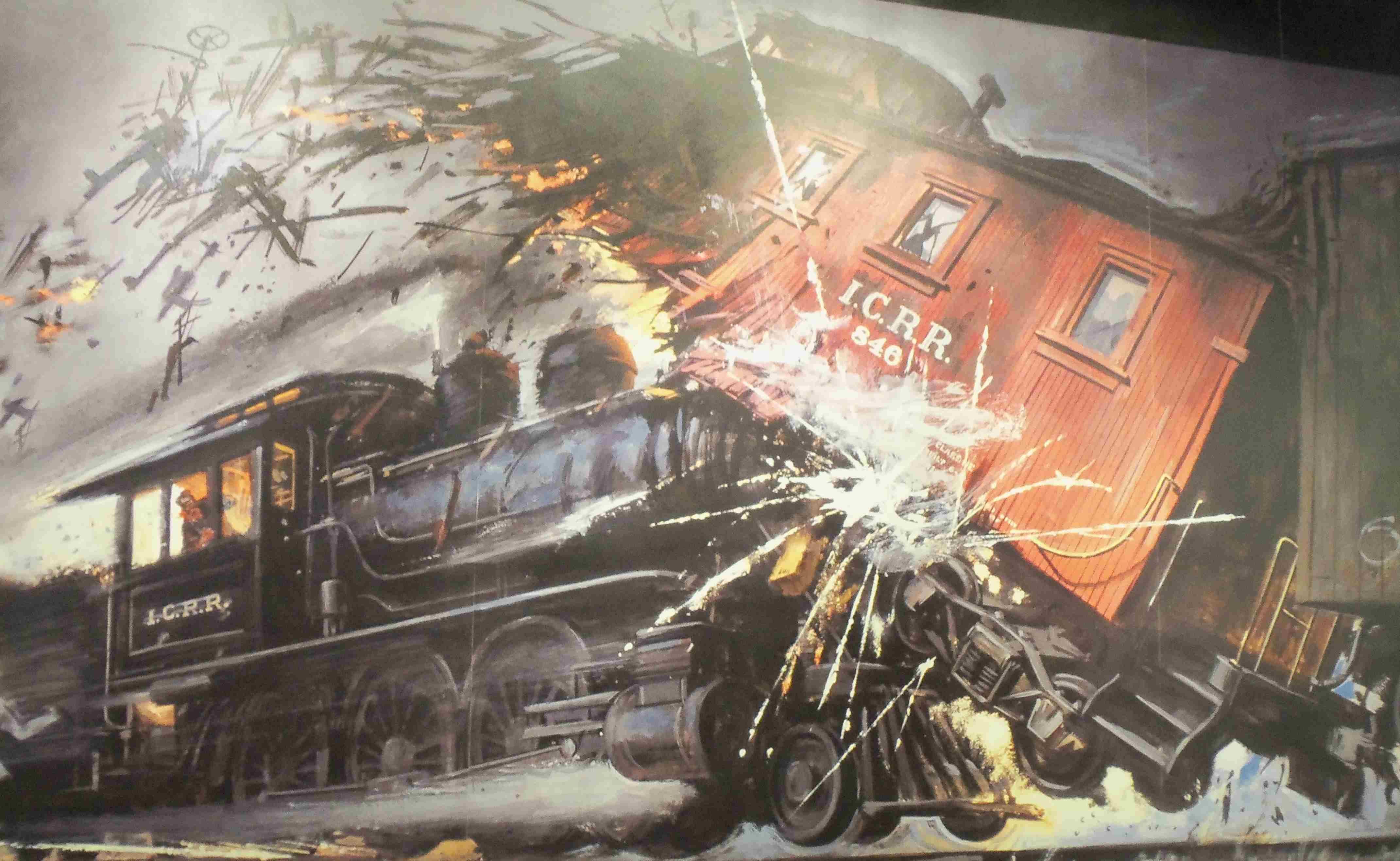
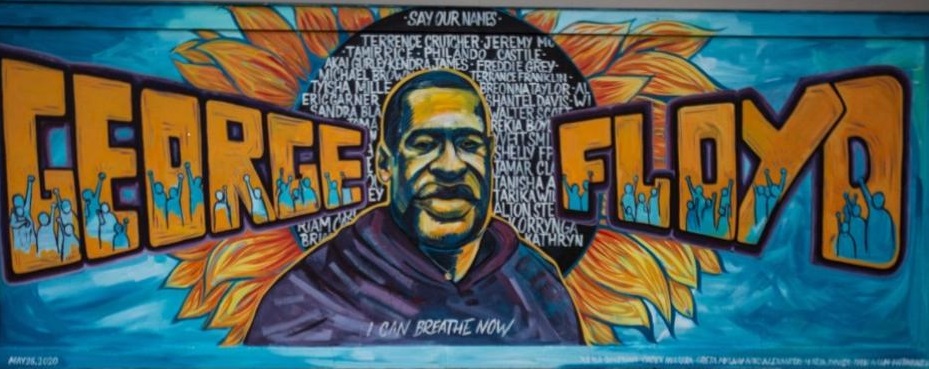
It is instructive to periodically read what “America’s paper of record” represents as fair and informational reporting. Here is a fine example: an article below the fold on page 13 of the issue from three days ago. Its title in the print edition: “When Sorry Doesn’t Heal the Wounds.” The theme is small town mayors and other officials being held accountable for “racially insensitive remarks” during the George Floyd Ethics Train Wreck.
Case Study #1: Brian Henry, mayor of Pawleys Island off the coast of South Carolina, whom protesters are insisting must resign for Facebook posts that “outraged and divided much of the community.”
What did he say? He opined that the killings of two town residents had not received national attention because the victims were white and the suspect is black, and also characterized Black Lives Matter and antifa as terrorist organizations that were destroying American cities. He is in full retreat and grovel mode, saying at a news conference last month that conversations with friends, faith leaders and his staff had given him “a deeper understanding of racial inequality and the importance of diversity sensitivity, which is very much needed to heal Pawleys Island, Georgetown and our country.”
Observations:
A. This is one more example of social media being a menace for public officials unable to keep their fingers still. Why would anyone on public office think it was wise or responsible to make either of these statements without good reason?
B. His first statement was obviously correct. People should not apologize for statements that are correct, unless the apology is for inciting controversy for no good reason.
C. His second set of assertions are also inflammatory but close enough to truth for social media horseshoes. Both groups depend on threats of violence to intimidate citizens into supporting them. Does that make them technically terrorist groups? I don’t care. They need to be de-glamorized and labeled the undemocratic and destructive organizations that they are.
D. However, again, if there was no good reason to make these observations on a little island town, it was foolish and unethical to stir up division by making it.
Case Study #2: Boston School Committee Chair Michael Loconto, who was caught on audio in a virtual meeting mocking the Asian surnames of community members who wanted to speak. He apologized a few moments later, explaining that he was “talking about a children’s book.” (Right.) Eight members of Boston’s City Council called for Loconto’s resignation, and he stepped down,
Observations:
A. Good. He should have stepped down.
B. “After the ongoing discussion about racism in our country, that type of comment could no longer be accepted,” said Ed Flynn, a city councilor who represents Boston’s Chinatown, as well as parts of South Boston and the South End. “Society will no longer tolerate or accept inappropriate comments from a member of city government.” Wrong. Ridiculing citizens seeking to be heard was never ethical conduct. Stop making everything about George Floyd. The hanging “inappropriate” is a threat to legitimate opinions and speech. Who decides what speech is “inappropriate”? Society should not tolerate public officials showing disrespect for the public by mocking them based on ethnicity. Be specific. Freedom lies in the balance between details and vagueness.
Case Study #3: Mark Chambers, the mayor of Carbon Hill, Alabama. He resigned after criticizing the University of Alabama’s football team’s support of Black Lives Matter.



 Ethics Alarms