Is “Sondheim’s Final Musical” What It Claims To Be?

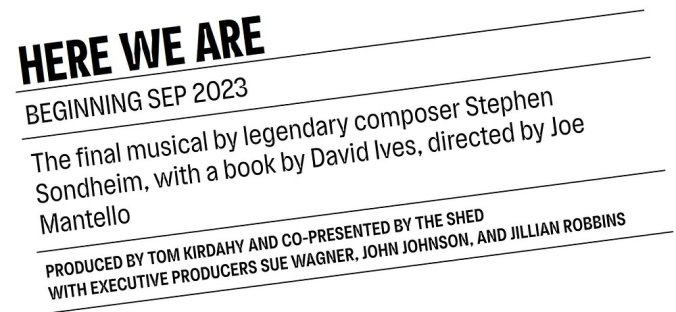
Two years after Stephen Sondheim’s death, “Here We Are” will premiere Off-Broadway in a 526-seat theater. Previously titled “Square One,” the show is based on Buñuel’s “The Discreet Charm of the Bourgeoisie” and “The Exterminating Angel.” The producers are advertising it as “the final musical by composer Stephen Sondheim;” it will open this week and run until January.

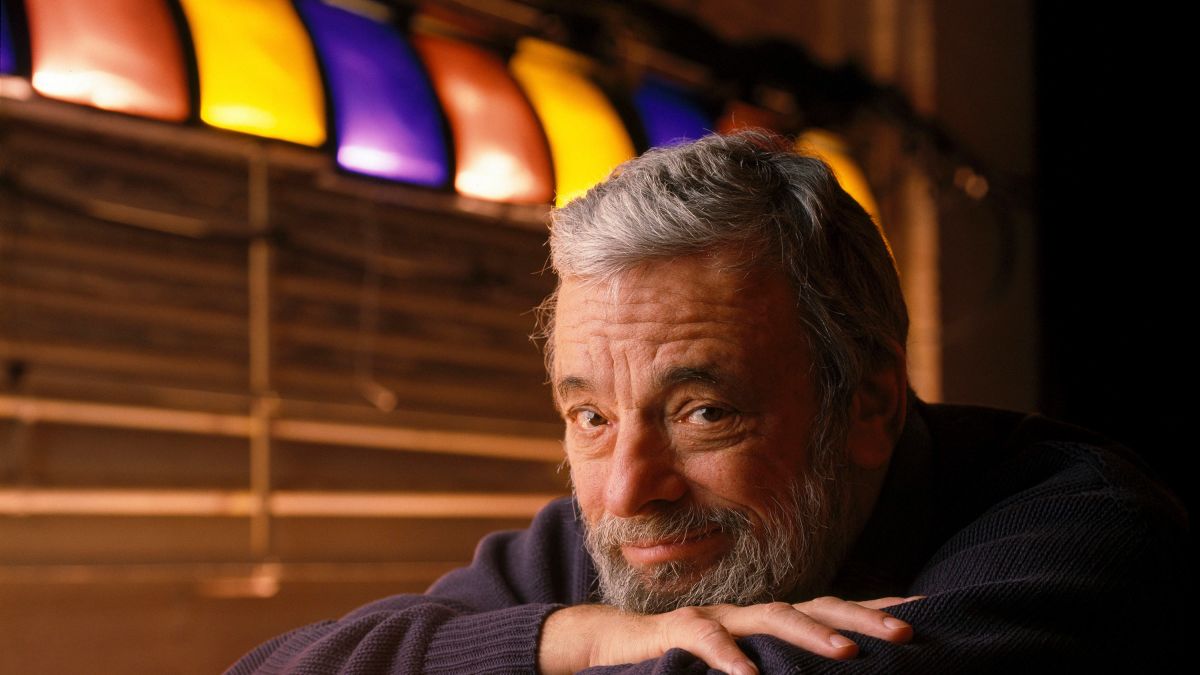
Sondheim, however, never finished the musical. In fact, when he announced that he had given up on writing it, Ethics Alarms saluted him, praising the Broadway icon for “doing the responsible thing, quitting….Virtually no composers and very few artists generally do anything but decline after the age of 60, though many try to keep churning out wan imitations of their best work as long as someone will pay them.” Sondheim’s last reasonably successful Broadway musical was “Passion,” in 1994, when the composer was 64. Before “Here We Are,” he labored for a decade over a musical that hit the stage in multiple versions with several titles. None of them were successful. Asked days before his death if he foresaw when his final musical would be finished, Sondheim curtly replied: “No.”

Yet now, mirabile dictu, his collaborators are announcing that the musical is complete. Interesting: Sondheim had said he finished all the songs in the first act, but had been stuck on writing songs for Act II. No problem! The show’s producing team now says that two months before Sondheim’s death, he had agreed to let the show go forward following a well-received reading of the material that existed at that point. That reading, however, contained no music. I’ve directed and organized many readings of new works, and the amount of rewriting, cutting and re-conceiving a show that takes place after that starting point is always massive–and often a show never makes it to production.

Continue reading

Stephen Sondheim (1930-2021): Integrity Was Everything

Sondheim2

There’s not too much I can add to the many tributes and essays about Stephen Sondheim, who died yesterday at the age of 91, but I feel I owe him a special salute for his ethics. Ethics is not a common trait in theater, or in show business generally. Sondheim, one could argue (and I will) built his career on ethical values.

The Times has three excellent pieces: a front page obituary, a report on a final interview, and an appreciation by critic Jesse Green. I don’t disagree with any of them, nor do I dispute Sondheim’s importance to musical theater and the culture, which justifies his superstar send-off. None of them come right out and say what I believe to be obvious, if inconvenient: for all his influence, Sondheim represented a fascinating, elitist, dead-end for musical theater, which he was determined to elevate whether it was healthy for the genre or not.

Musical theater arose from humble, populist origins like the British music hall, and it was generally accepted to be a way for ordinary people to have a good time without having to think too much. That model served the genre, and the industry, well until Sondheim’s mentor, Oscar Hammerstein II took off from where only scattered experiments like “Lady in the Dark” and “Pal Joey” had previously ventured to bring serious topics and dilemmas into song while still sending the crowd home humming. Sondheim, once he had freed himself from writing words to established composers’ tunes in “West Side Story” and “Gypsy,” deliberately sought darker, more complex stories to musicalize than even Oscar would dare attempt.

Continue reading

Weekend Ethics Frolics, 5/9/2021: Birthing Persons Day Edition

Frolicking

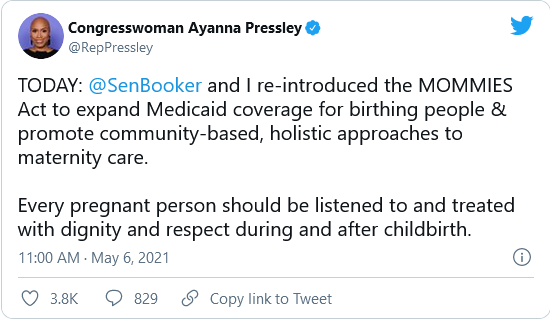
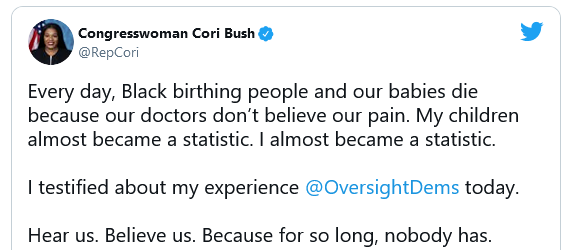
Surely you have heard by now that a few addled Democrats in Congress have begun using the hilarious term “birthing people” to describe mothers. This is in order to pander to the trans population, because the special problems of this tiny minority are worth turning the entire culture inside out and upside down. So far it’s three certifiably silly people on the Hill whose credentials as ethics dunces are unusually strong, even for Congressional Democrats (the links go to signature significance EA posts: Senator Cory “Spartacus” Booker , certifiable Rep. Ayanna Pressley, previously heard arguing that “girls” have a right to attack other girls with knives “uninterupted”, and the spectacularly unqualified Rep. Cori Bush, who was supposedly on Biden’s short list for VP, which is terrifying—yes, even more terrifying than Kamala Harris:

birthing person tweet 1Birthing person 2

This is fascinating from an ethics perspective, specifically the slippery slope. The Great Stupid that has descended over the land, with special focus on progressives, has led to vocal support for so many ridiculous ideas—defunding the police, paying people more to stay out of work than to have jobs, open boarders, electing Joe Biden, packing the Supreme Court, and more—that the once fairly bold line between “progressive” and “batshit crazy” appears to have been erased. At some point, and maybe “birthing people” is it, even left-tilting Americans will wake up and say “Whoa! These are wackos!”

And indeed they are.

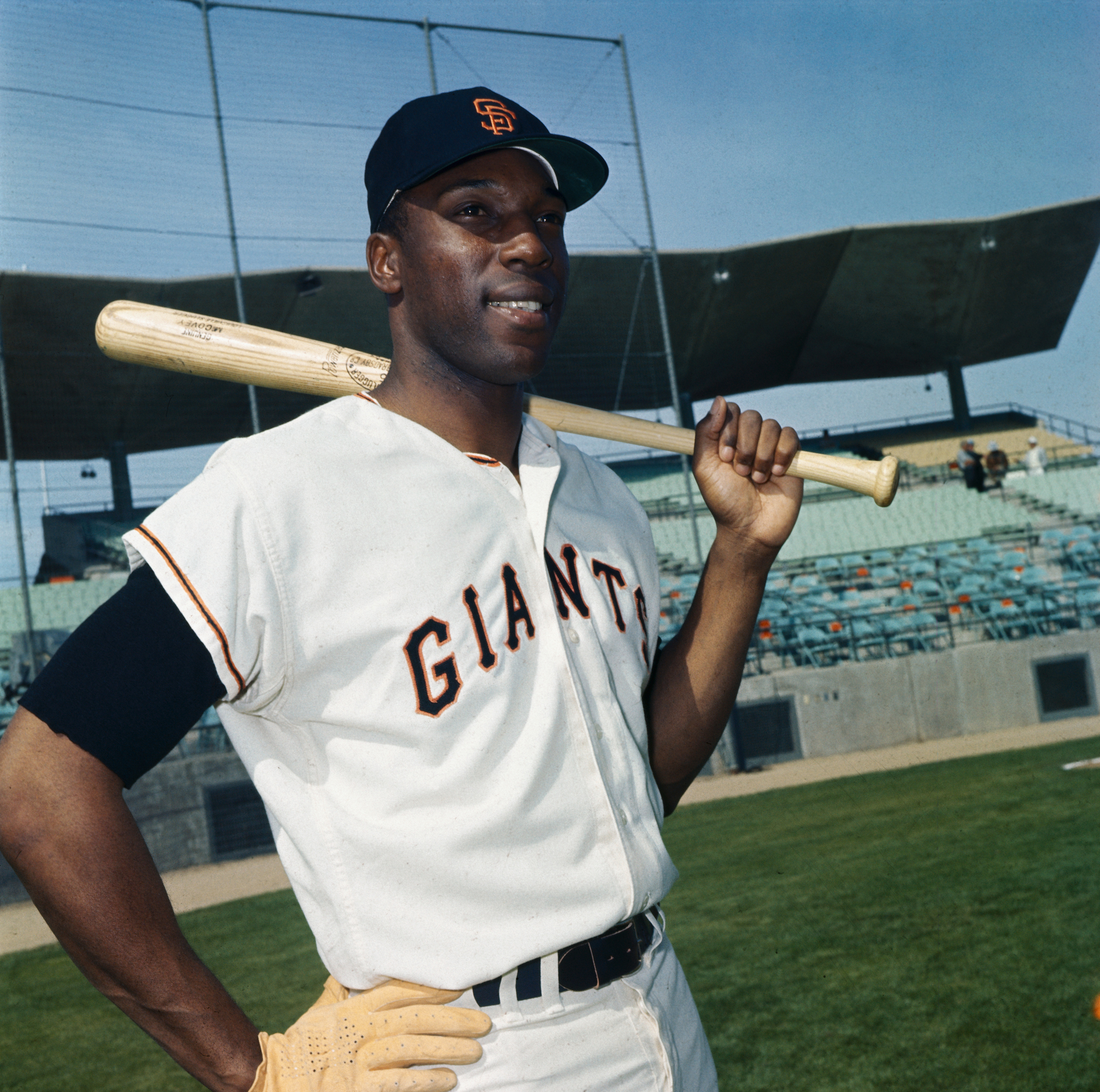
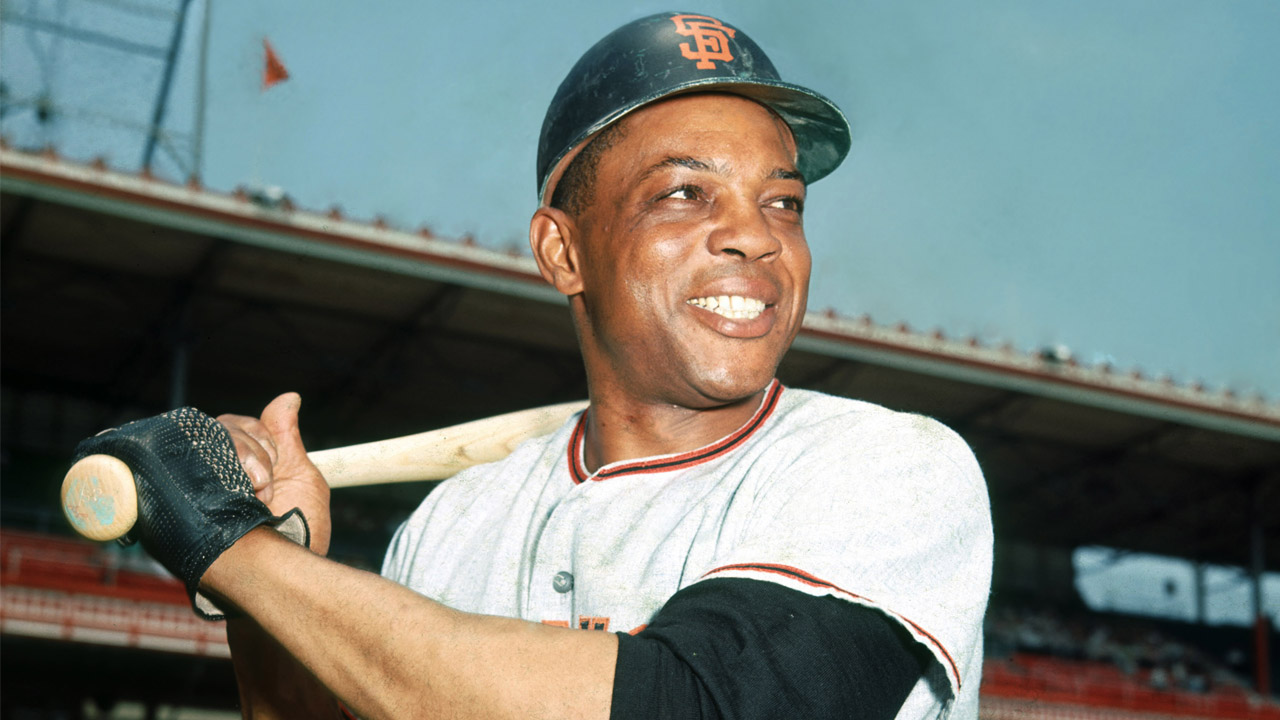
1. Also from the “What an idiot!” files…On baseball and Giants’ Hall of Fame immortal Willie Mays’ 90th birthday last week, House Speaker Nancy Pelosi’s Twitter account posted a picture of Willie McCovey. Willie Mays is a national icon, probably the greatest African-American baseball player of all-time, and any American, especially any American elected official, who does not know what he looks like is too ignorant of America’s culture and history to serve competently. (I’m only exaggerating a little.) Not only is this an insult to the Say Hey Kid (What does that nickname mean, Nancy? Huh? Come on, you represent San Francisco!), it’s the kind of “they all look the same to me!” mistake that white officials are typically savaged for, as when Senator Rubio mixed up Rep. John Lewis with Rep. Elijah Cummings. At least Cummings and Lewis looked a little bit alike. McCovey, who was also a Hall of Fame slugger and who also played for the Giants,

Willie McCovey Holding Baseball Bat

looked nothing like Willy Mays…

Willie-Mays-US-2155529

…and to make the distinction easy for baseball ignoramuses, Willie McCovey is DEAD.

Continue reading

When Artistic Boldness Is Unethical: The “Merrily We Roll Along” Movie

In an epic and unprecedented project, auteur director Richard Linklater will direct a film adaptation of “Merrily We Roll Along,” the cult 1981 Sondheim musical fashioned from the 1934  George S. Kaufman and Moss Hart Broadway play.

The production, which will begin next year,  will take 20 years to shoot, so the actors can age with their characters. You see, the story in “Merrily We Roll Along” is told backwards, with the audience meeting the characters as jaded middle-aged adults, and then watching how they got where they are, until they are seen as idealistic young students preparing to go out into the world. Linklater is probably correct that this is the only way to film such a plot credibly, and he is a bold and courageous artist to commit to an artistic endeavor requiring such a long time commitment, extreme expense, and uncertainty.

He’s also deluded and irresponsible. The project will cost many millions of dollars, and tie up not only his talents but many others to varying degrees over 20 years. The film is quite likely never to be completed, and if it is, likely not to be any good. Even if it is good, it will have no market, and is guaranteed to lose money. Continue reading

Fake History On Stage, Or “Why I Detest Sondheim’s ‘Assassins'”

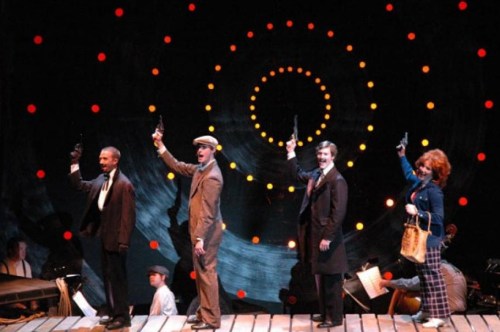
Here are some of the things audience members unfamiliar with American history and its dark corner containing Presidential assassins will learn as they watch the much-acclaimed Stephen Sondheim/John Weidman musical “Assassins,” a very fine production of which I saw over the weekend:

…Nobody knows why actor John Wilkes Booth shot Lincoln. It may have been “bad reviews.”

...Lee Harvey Oswald worked in the Dallas book depository, and and was originally going to shoot himself, not President Kennedy.

…Giuseppe Zangara was attempting to assassinate President Franklin Delano Roosevelt when he killed the Mayor of Chicago and wounded five bystanders in 1933, but didn’t really care which, because both of them “controlled the money.”

…Sarah Jane Moore was a quirky, whacky, Lucy Riccardo-like  housewife who just wanted to kill President Ford for no particular reason.

…Moore and Lynnette “Squeaky’ Fromme knew each other and jointly attacked Ford.

…President Garfield “succeeded Grant.”

…Presidential assassins are all cut from the same psychological cloth, desperate Americans living on the margins of a cold-hearted nation that ignores them, who decide to become important by killing a President of the United States.

None of the above is true, and that just scratches the surface of the elaborate, anti-America conceit that is “Assassins.”  It is conceived as a cynical carnival game underlying a time-warping portrait of some of the men and women, far from all, who have tried, successfully or not, to murder a President of the United States.

I have seen the show multiple times, and it has always been (mostly) well-produced, directed, and acted, although if you set out to drive someone like me crazy, having Booth shoot at Lincoln with a revolver and having Oswald fire just one shot at Kennedy are good ways to do it. The show is also infuriating in its deliberate defiance of history to execute what a couple of artists think is a cool concept and a strong political statement that amounts to an evening’s worth of disinformation. The idea about assassins being a callous society’s losers and outcasts just doesn’t work, and should have signaled that it doesn’t work from the start: Booth, the leader of the time-traveling murderers—they all show up in the book depository to persuade Oswald to kill JFK—disproves the thesis in the first 10 minutes. Booth was no outcast or loser. He was a celebrity. He was successful, famous, and relatively wealthy. He was healthy, relatively sane, and in good shape. Booth was a Confederate fanatic, and determined to do what he could to pull victory out of defeat for the South by killing Lincoln, but he was hardly in the same class as, for example, Charles Guiteau, a certifiable loon, or John Hinckley.  Leon Czolgosz , who shot McKinley, was no crazier than Booth. He was a political radical as well, an anarchist like Sacco and Vanzetti, and was convinced that the government had to be brought down in the interests of justice.

Oh, whatever. Details, details. Continue reading

Unethical Quote of the Week: Ampersand on “Alas! A Blog”

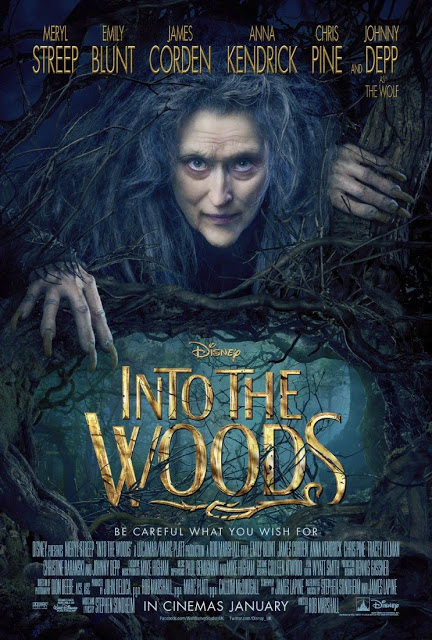
Into the Woods

There is no reason in the world, other than Hollywood’s endless racism and lack of imagination, for this movie (or the original play, alas) to have an all-white cast. Why do movies feel like they’d rather die than show us a diverse cast? (And please don’t say “they cast the best people for the roles.” I thought the whole cast was good, but Streep was the only one who turned in a performance so unique that you couldn’t imagine anyone else doing the role.)

—–Ampersand, a.k.a. Barry Deutsch, opining on the assets and deficits of Rob Marshall’s film adaptation of “Into the Woods” on his blog

I hate to pick on Barry—OK, that’s not true, I enjoy it immensely—but this statement could stand as the distillation of knee-jerk liberal thinking on race, and it is wrong in so many ways that I hesitate to start counting. The sentiment, however, poses a nice counterpoint to the discussion here about the black James Bond controversy, so I can’t resist taking aim at it.

1. So casting a mega-million dollar film—-in a dicey genre (Have you heard? Big budget Hollywood musicals died in the Sixties…) and a limited audience—with actors who comport with that audience’s expectations of the musical the film is based on is racist, eh? More unfair words and inexcusable race-baiting were seldom uttered in word or written in ink. If a director had a vision that supported casting African American actors in traditional Grimms’ fairy tale roles and could make it work, I would salute him, but Rob Marshall had other priorities. He knew that every cut would be scrutinized and attacked by the Sondheim fanatics (which, by the way, are as white as a dove convention in a blizzard); he knew that the show itself was seriously flawed; he knew that every single adaptation of a Sondheim musical (“West Side Story” doesn’t count) has been a critical and box office bomb. He had every reason to keep his casting choices as close to the traditional images of the characters and the way they were portrayed on Broadway, and none of those reasons were racism.

2. It’s impressive how casually a race-obsessed progressive will accuse a professional of racism as a first response. Irresponsible, unfair, disrespectful, and in this case, ignorant of both commerce and art. Continue reading

Comment of the Day: “The ‘So What?’ Follies”

My brilliant friend, lawyer/writer/actor/singer/dancer Loarraine McGee, scores with a  Comment of the Day that it probably takes a Broadway musicals buff, Stephen Sondheim worshiper, Mandy Patinkin lover or “Glee” fan to fully appreciate, a lyrical comment to the melody of Sondheim’s “Buddy’s Blues” from the second act of his great, troubling 1971 musical “Follies.”  Here is the song (Bronson Pinchot is no Mandy, but he’s OK), and then Lorraine’s Comment of the Day, to the today’s post “The “So What?’ Follies,” follows.

“Did you sayFollies”????”

I’ve got those

“Gotta keep the numbers up-Find something!-I can make it Neeeews” Blues!

That

“Long as there are photos I can make it seem important” feeling!

That

“If you’re slightly famous all you do is enough,
As long as there’s a talking head involved it’s good stuff,”
And “Bring the camera closer, gotta make the public buy this!” feeeeeeling!

Those

“Everything is ad sales so I gotta make the nonsense neeeews!” blues!

Comment of the Day: “Are Musicals Reviewed By Ignoramuses?”

WordPress, for only the second time in three years, was kind enough to include my recent post about Stephen Sondheim’s footnote lament that musicals were the only art form largely reviewed by incompetents. This has brought a lot of new visitors to Ethics Alarms, and I hope they are interested in ethics as well as musicals. One such new reader is a Prof. Ratigan, who apparently does some reviewing himself. Here is his Comment of the Day, on the Jan 3, 2013 post (Here’s something weird—last year’s Jan.3 post was also about Sondheim!) Are Musicals Reviewed By Ignoramuses?…

Two points. The first is the literacy issue. I think it’s interesting that it would appear that a good reviewer is either a novice or a master where everything in between is amateur. I’ve been reviewing movies for the past year (on a blog) and I’ve definitely felt that in my own stuff. The more movies I watched and connections I could draw, the more it became apparent how much I really needed to do to become proficient. I needed to read a lot more literature, read a lot more scripts, and watch a lot more movies. Otherwise, I would start to create a context but have a nagging feeling that the director/writer/actor (who are often scholars of film) might/probably know more than me and were doing something else. It seems that these musical reviewers aren’t expected to take the next step from reviewer to analyst. Continue reading

Are Musicals Reviewed By Ignoramuses?

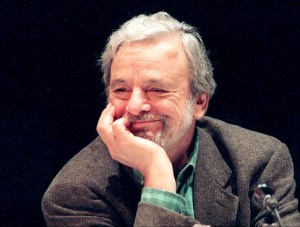
STEPHEN SONDHEIM

OK, but Stephen: compared to you, everyone is an ignoramus!

Stephen Sondheim completed his personal memoirs about his career in American musicals more than a year ago, but they are so thoughtful, detailed and dense that I keep discovering new treasures, provocative observations by a first-rate mind. Yesterday, I found one that was buried in a footnote, in the middle of a technical tangent that most readers, like me in my first tour through the books, probably skimmed.

Sondheim pointedly did not use his erudite analysis and reflections in his two retrospectives (“Finishing the Hat” and “Look! I Made a Hat!”) to settle scores with critics, a group that obviously annoyed and to some extent handicapped him over the course of his long career. In this brief footnote, however, the composer/lyricist delivers a withering verdict:

“The sad truth is that musicals are the only public art form reviewed mostly by ignoramuses.”

At the end of the note, he repeats the indictment, this time changing the description to “illiterates.” Sondheim is accusing theater critics of engaging in professional conduct they are incompetent to perform, rendering expert opinions that are not really expert, and as a result, misinforming the public and undermining the efforts of serious artists, like him.  If he is right, not only are the critics unprofessional and unethical, the media organs that hire and publish them are unethical as well. Continue reading

The Admirable Mr. Sondheim

And an ethical hat it is, too!

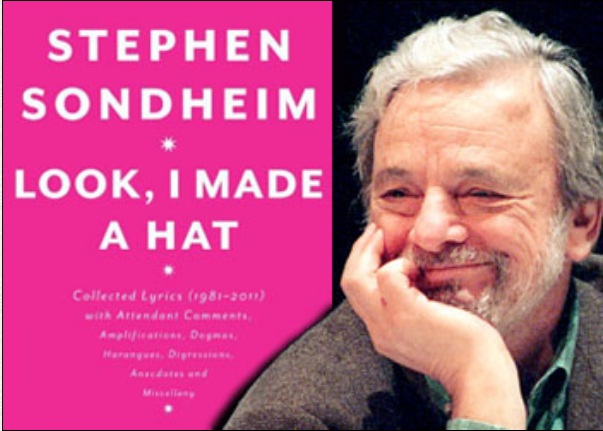
Readers who are not interested in the art of lyric writing and the mechanics of constructing a Broadway musical should probably avoid the second and final installment of Stephen Sondheim’s chronicle of his creative life, “Look, I Made a Hat.”  They will be missing something important nonetheless: a rare example of truly ethical memoirs.

As in his first volume, “Finishing the Hat,” America’s pre-eminent composer-lyricist for the stage reveals himself as a gentleman, an adult, and a thoroughly ethical human being, and does so not by proclaiming his virtues, but by demonstrating them in his writing. He is not uncritical, but always fair and kind. He accepts personal responsibility for projects that failed, and is generous with giving credit for projects that were successful. There is no false modesty in Sondheim about his own skills and achievements, but neither does he seem to overvalue them or seek his reader’s admiration by blowing his own horn.

The line Sondheim walks in both books is fine, and he walks it finely. For example, I initially thought his decision to only criticize the techniques of other lyricists who are dead was a cowardly one, but upon reading both books it is clear that the decision was motivated by kindness. Sondheim takes the craft of lyric-writing very seriously, and his integrity would not allow him to censor a critical observation regarding a colleague’s work when he believed the criticism was illuminating and had merit. Realizing how hurtful a critique from someone of his reputation and accomplishments could be, Sondheim restricted his frank and (mostly)  fair assessments to writers beyond wounding. If Jerry Herman isn’t grateful, he should be. Continue reading