 Did you know that animal-loving British families killed an estimated 400,000 household pets—cats and dogs—in the first week after Great Britain declared war on Germany in September, 1939? Neither did I, and now a new book by Hilda Kean, “The Great Dog and Cat Massacre,” sets out to remind us of that ugly episode.
As the New York Times review of the book notes and Kean explains, the mass euthanasia was “publicly lamented at the time,” but has since been erased from memory. But why has it been erased from memory, and how? This is a disturbing cultural phenomenon that Ethics Alarms has covered before, notably in the post about dance marathons in the U.S. during the Depression. One of the definitions of culture is what we choose to remember and what we choose to forget. Forgetting, however, while often psychically soothing and an easy way to avoid guilt and accountability, is a pre-unethical condition. That which has been forgotten can no longer teach us, and a society that collectively decides to pretend something cruel, horrible or traumatic didn’t happen risks allowing it to happen again.
This, of course, is one more reason why the recent progressive mania for historical airbrushing is dangerous, irresponsible and unethical. Keep that statue of “Joe Pa” on the Penn State campus. Leave King Andy on the twenty dollar bill. Don’t take down that bust of Bill Cosby in the TV Hall of Fame. All civilizations have fallen heroes, moments of panic, times when they forget their values and betray their aspirations. Of course it is painful and embarrassing to remember these things, but also essential if human ethics are going to progress instead of stagnating, or even going backwards. We associate the elimination of cultural memories with totalitarian regimes, and for good reason, for they are blatant and shameless about it.

No nation is immune from the process’s appeal, however. When I was going to grade school and studying the Presidents of the United States, Jackson and Woodrow Wilson were routinely hailed by (mostly Democratic) historians as among the greatest of the great. The first Jackson biography I read barely mentioned the Trail of Tears. I read four well-regarded biographies of Wilson that ignored his support for Jim Crow, and the degree to which he deliberated reversed advances in civil rights, being an unapologetic white supremacist. The influenza epidemic that killed millions was excised from my school’s history books. Thomas Jefferson’s concubine, Sally Hemmings? Who? Continue reading




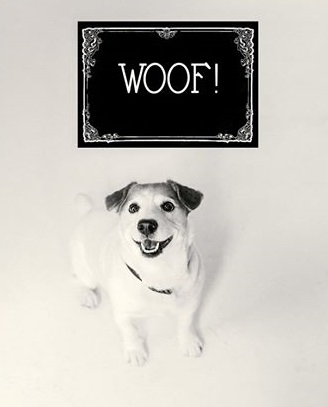





No, this isn’t my sister’s Havanese, but you get the idea…
“There are two kinds of people…” and one of the most undeniable ways to finish this much-worn sentence is “those who understand dogs and those who don’t.” To understand them is to marvel at them, cherish them, and love them. Not to understand them, as an astounding number of humans do, is to live in ignorance and fear, and to miss out on one of the mystical joys of life: bonding with an animal.
I never fully appreciated this until my younger sister under went a rare midlife conversion, changing sides from the canine-phobic to the dog-allied. Divorced, she was faced with an empty nest, and though she had always emulated my mother, who had nothing but contempt for dogs (cats too), decided that she could not bear returning to a house with no one to express joy that she had returned.
My wife, who had witnessed my sister’s callous treatment of our dogs, who were greatly insulted, was dubious, and was certain her new companion, an abusrdly cute, cheerful, silly, dumb as a brick Havanese named “Elphie,” would be neglected. She has never been happier to be wrong.
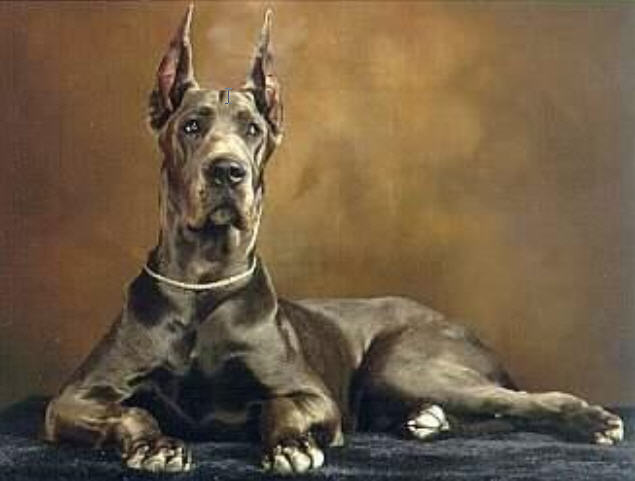
My sister’s entire attitude has changed, not merely toward dogs, but toward the whole of humanity and the world. She is happier, friendlier, more resilient and less anxious. She has fearlessly assisted a huge lost wolf hybrid; she has guided a wandering Great Dane home; she lets pit bulls leap up to lick her. Now she complains that she missed so many years of interaction with what she has learned are fascinating, empathetic, loving creatures with individual personalities and the ability to surprise and delight every single day.
I thought of my sister as I read Lisa Weber’s Comment of the Day on the most recent Ethics Alarms post about the other side. Here it is: