Robot Ethics: Let’s Not Get Silly About It

Today seems to be “Ethics Questions That We Shouldn’t Have To Ask Day,” and Andrew Sullivan, over at the Daily Beast, phrases his entry this way:

“Is Sex With A Robot Adultery?”

Sherry Jackson as a robot on the original "Star Trek." Lovely, convincing, but still basically a toaster.

Gee, I don’t know, Andrew: is sex with a toaster adultery? What has Sullivan asking such nonsense is a new book called Robot Ethics, which has some legitimate issues to explore, and then some other phony controversies included to get publicity and interviews. The field of robot ethics still includes little that hasn’t been thoroughly explored by Robert Heinlein, Isaac Asimov and on “Star Trek: The Next Generation,” but as a few of these dilemmas are likely to enter reality from science fiction in the foreseeable future, it is reasonable to dust off the issues again as long as we don’t get silly about it. Getting overly excited for the Boston Globe, however, Josh Rothman writes: Continue reading

Matrix Chicken Ethics

Yum-yum!

Architecture Student and artist André Ford has sparked an ethics debate after proposing that chickens be raised for meat in vertical racks after  their frontal cortexes have been severed, rendering them brain-dead and essentially growing meat. The question is, would this practice be more ethical than current factory farming, less ethical, or does it make no difference?

Ford’s system would have the chickens suspended and immobile, with their feet removed. Tubes would supply water and nutrients directly into them while other tubes would carry away their waste. The chickens, of course, wouldn’t feel a thing, which one could argue is a superior state to the well-documented stress and misery they would experience in traditional chicken farms. Meanwhile, the costs of raising chickens would be (theoretically) reduced, in part because far less space would be required, and the process would also be cleaner—again, theoretically. Continue reading

BREAKING NEWS: Whales Aren’t Slaves! PETA Shocked!

"Thank you! And for my next number, 'Nobody Knows The Trouble I've Seen!'"

PETA’s cretinous and offensive lawsuit equating Sea World’s whales with enslaved human beings—just the latest in the organization’s irresponsible “look at us!” tactics—was laughed out of court, as everybody but a breathless NPR interviewer knew it would be. This was yet another example of a lawsuit that any common sense-imbued layman would accurately call frivolous, but a bar association discipline committee would not. A lawyer can ethically take on a lawsuit he or she knows is stupid, foolish, silly, or a “hail Mary” shot, as long as there is a good faith belief that it might/could possibly/ gee, with a little luck and they don’t think about it too carefully prevail. And looking at some of the rulings that come down from various benches and verdicts that creep out of some jury boxes, that means almost no case is unethically frivolous in a legal sense. That doesn’t mean that it is responsible and right for lawyers to help plaintiffs like PETA bring such wasteful lawsuits, just that it isn’t a breach of professional ethics to do so. Continue reading

The Susan G. Komen Foundation-Planned Parenthood Ethics Train Wreck

Unlike the 26 U.S. Senators who are unethically abusing their positions by presuming to demand that an independent non profit organization expend its funds according to their interests, I am not going to tell the board of the Susan G. Komen Foundation how to pursue its mission…because as with the Senators, it is none of my business. Ethics is my business, and the full-blown ethics train wreck surrounding the Foundation’s decision to end its substantial financial support of Planned Parenthood has been created by dishonesty, misrepresentation and a lack of fairness from all directions.

Here are some unpopular ethics truths in this fiasco. Continue reading

Tales Of Ethics Dunces Past: Recalling the Self-Indulgent Suicide of Hunter Thompson

I can’t claim that I am surprised that my post about the suicide of Don Cornelius attracted comments that either showed a misunderstanding of what I wrote or a stubborn determination to change the subject. It was not a post about the virtues of suicide, but about how suicide’sethical calculations may be changing as a broken medical care system increasingly makes the final years and months of the elderly a burden that crushes families and constricts the quality of life  for the nation generally. In short, killing yourself for your country may have to become an accepted practice, an ethical and courageous act, if something doesn’t change. Killing yourself for yourself—to avoid pain, problems, or the consequences of your own actions, should always be considered wrong, for wrong it is.

Jeff Hibbert, one of my favorite contributors here and also one with a great memory, reminded me that I had written on this topic once before. I had forgotten, but that post may be a useful contrast to the Cornelius post. There is not a word of it that I don’t still believe. It concerned the 2005 suicide of Hunter S. Thompson, the cult “gonzo journalist” who lived like frat boy and  wrote like angel. Here it is:

Hunter Thompson’s values were admittedly always a little out of whack, but nothing diminished the self-styled “gonzo journalist” in this world so much as his manner of leaving it. He shot himself to death last February while talking on the phone to his wife, with both his son and grandson in his house with him. Nice. That should guarantee some lucky psychoanalyst or three a comfy income for the foreseeable future. Continue reading

Don Cornelius, Suicide…and Ethics Hero?

“Soul Train” creator and pop culture icon Don Cornelius took his own life at 75 yesterday, using a gunshot to the head to do it. Suicide always conjures up feelings of special sadness for the deceased, sometimes mixed with anger. The act can be cruel and devastating to family members and friends; often it leaves behind crushing problems, financial and otherwise, that the living have to deal with. Suicide is stigmatized in our culture as a coward’s way out of earthly problems; many religions consider it a sin, and many legal systems consider suicide a crime. Yet it may be that American culture will have to undergo a major cultural transformation in the matter of taking one’s own life. While morality tends to ossify, ethics is fluid and adaptable. Changing conditions and new realities can, in rare circumstances, cause societies to conclude that what was once considered right is really wrong, and what was once condemned as wrong is in society’s best interests. I think we may reach that point with suicide. Continue reading

The Corruption Problem

“Maybe, just maybe, the legislative and judicial systems have been corrupted, by, dare I say it, corporations?”

—Ethics Alarms commenter and OWS warrior Jeff Field, in his comment regarding the weekend post, The Marianne Gingrich Ethics Train Wreck

I don’t know how Jeff reaches the conclusion that the judicial system has been corrupted by corporations. Judges, unlike legislators, do not grow rich as a result of their inside knowledge and corporate connections. Judges, unlike revolving-door Congressional staffers and lawyers, do not generally come from corporate backgrounds. The fact that a judicial decision benefits the interests of some corporations, and many do not, does not mean that the decision was not just or was influenced by more than persuasive legal arguments. Those who believe that begin with the biased and untenable position that any decision that benefits a corporation must be, by definition, wrong.

So let me put that dubious assertion aside as the result of excessive reformer’s zeal and crusader’s license, and deal with the general proposition that corporations corrupt the legislative system, and society generally. Well, sure they do, but the statement is misleading, and, I would argue, meaningless because it places disproportional importance on the corrupting influence of this one, admittedly important, societal force.

Yes, corporations can be corrupting influences. So can government, and the lure of public office. The news media is a corrupting influence on the legislature, and upon society generally. Religion corrupts; as does popular culture, with its celebration of empty celebrity, glamor and wealth. Non-profits and charities are corrupted by their tunnel vision of specific worthy objectives to the neglect of others; the civil rights movement corrupts, as does feminism and all other advocacy efforts, which often, if not usually, succumb to an “ends justify the means” ethic, which is unethical. Indeed, freedom corrupts, as does dependence. Cynicism corrupts, and corrupts with a vengeance. Ignorance corrupts; so does the belief, however well-supported, that one knows it all. Ideological certitude and inflexibility corrupts.

Education, and the cost of it, corrupts. Sports, both professional and collegiate, corrupt people, students, and institutions. Science corrupts; technology corrupts. Heaven knows, the internet corrupts. Leisure and success; triumph and defeat; wealth and poverty, love and hate, desperation, patriotism; kindness, loyalty, sex, lust; intellectual superiority, beauty, physical prowess, passion. Talent corrupts. Kindness and sympathy too.

Self-righteousness. Fear. Worry. Envy. Stupidity. Zealotry.

And, as we all know, power and the love of money.

All of these and more corrupt human beings and the institutions, organizations and governments that they make up. If individuals are corruptible, something will corrupt them, as sure as the sun rises and the quinces ripen. To focus upon any one of the limitless and abundant sources of corruption and to say, “This, above all, is the cause of our problems” is naive and unfair. By all means, we must seek ways to limit the opportunities for corruption and the damage it can do, but we must also recognize that the ability to corrupt does not mean that something or someone does not or cannot contribute much good to society as well. Heroes can corrupt, as we saw in the tragedy of Joe Paterno, but we need heroes. Leaders can corrupt, and often do, but we still need leaders.

Ultimately,  the best way to stop people and things from corrupting us is to understand what corruption is and how easy it is to be corrupted. Our inoculation is ethics, understanding right and wrong and how to recognize both, and learning to recognize when we are biased, conflicted, or being guided by non-ethical or unethical motivations. Shifting the blame for corruption away from ourselves is comforting, but intimately counter-productive. We have the power to resist corruption, just as it is within out power to select public servants who are not likely to be corrupted. It is our responsibility to do so.

 

Poll: 84% Don’t Have a Clue What “Ethical” Means

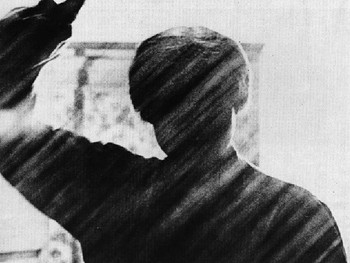
Was Norman Bates unethical or sentimental? Well..wait, WHAT?

OK, that was a somewhat misleading headline. According to a poll run by ABC News, 84% of the public thinks that cloning dead pets is unethical. But since there is absolutely nothing unethical about cloning dead pets, I think the headline above is accurate. Well, maybe 84% accurate.

The story is over at Sodahead, which is dedicated to dumb polls. The analysis of the poll, if one can call it analysis, is almost totally bereft of anything remotely connected with ethics or ethical theory. In a previous poll on the subject, Sodahead asked those polled to choose whether the practice was “unethical” or “sentimental”, which is a choice akin to, “Do you like baseball, or can you swim?” Of course cloning a pet is sentimental—why else would someone do it? Who came up with the boneheaded idea that sentimental and unethical were mutually exclusive? Norman Bates dressing up as his beloved mother and killing people was sentimental, but I’d also say it was less than ethical. Continue reading

The Third Annual Ethics Alarms Awards: The Worst of Ethics 2011 (Part 2)

The 2011 Ethics Alarms Awards for the worst in ethics continues (you can catch up with Part I here) with the large and depressing…

 Shameless Bad Character Division

Jerk (defined as an individual who habitually places his personal benefit and ego gratification above the welfare of everyone and everything else) of the Year: Donald Trump

The Dennis Rodman Award, (Awarded to a professional athlete for a career and lifetime of  behaving like a jerk): Jose Canseco. Jose’s done it all, from being baseball’s Typhoid Mary of steroids, to getting arrested for various assaults, to writing a series of tell-all books designed to rat out the very players he corrupted, not as a service to his sport, but as revenge for it rejecting him. In 2011, he hit a new low, accepting money to appear in a celebrity boxing match (the 21st Century version of becoming a circus geek to pay the bills) and sending his less-talented, equally dim-witted, identical twin brother Ozzie to perform instead, hoping to fool the fools who hired him. This, of course, was fraud. It takes quite a jerk to take this award from Manny Ramirez, who became eligible in 2011, but Jose was up to the task.

Asshole (defined as an individual who intentionally and maliciously causes pain and harm to others because he can) of the Year: Rev. Terry Jones, the publicity-seeking leader of a tiny rural church, who caused riots and deaths abroad and ramped up political tensions between America and Muslim nations by threatening to burn, and finally burning, the Koran as a demonstration of contempt for Muslims and the Islamic faith. Continue reading

Ethics Dunce: Libertarian Andrew Cohen

The ethical virtue at issue is integrity.

On the other hand, some times you just have to say, "oh, the hell with it" and stomp on the damn snake...

Those who oppose abortion as the taking of innocent human life may not, consistent with integrity (forget about logic) also say that abortion is a personal choice. Those who oppose capital punishment as a matter of principle (rather than as a problem of fair application) may not, consistent with integrity, announce that of course they would make exceptions in the cases of Hitler, Bin Laden, and Ted Bundy. A pacifist who won’t explain why the U.S. shouldn’t have fought World War II isn’t a pacifist at all, but a poseur.

Now Andrew Cohen, a self-declared libertarian blogger, has written a defense of the state determining whether or not potential parents may have children.  He writes: Continue reading