Judge Walker Was Wrong

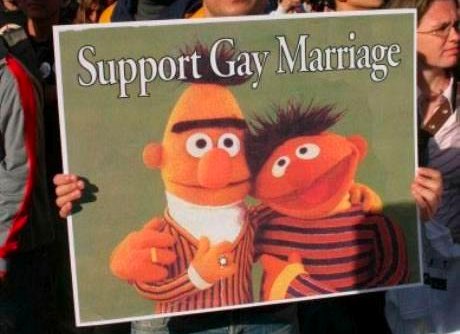
Now that we know about Bert, should Judge Ernie have recused himself?

Judge Vaughn Walker, the Federal District judge who a year ago ruled California’s Proposition 8, which banned same-sex marriages, unconstitutional, was wrong. No, not about the law, which is pretty clearly unconstitutional: his opinion was fair and well-reasoned, and is likely to be upheld on appeal. Walker was ethically wrong in his handling of the delicate issue of his own sexuality, which had raised a controversy about his objectivity and ability to be impartial.

Two weeks ago, following his retirement from the bench, Walker publicly disclosed for the first time that he has been in a same-sex relationship for the past ten years. This changes the analysis regarding the propriety of his ruling on Perry v. Schwarzenegger. Walker had long been rumored to be gay; supposedly “everybody” knew he was gay. My position, as well as that of many others considering the arguments of anti-gay marriage opponents that he should recuse himself, was that sexual orientation could not and should not create a presumption of bias, any more than gender, age, race or marital status. Continue reading
Now We Know: 22.5% of Business Execs Don’t Know What Ethics Is

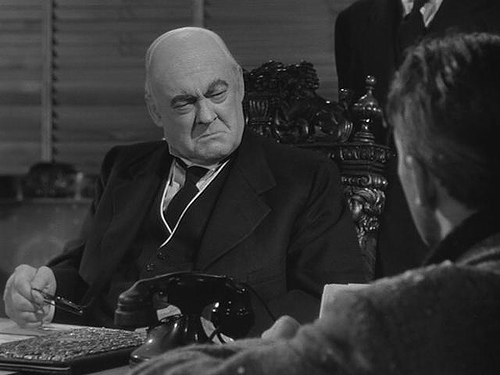
The Potter Factor: is 20% too much?

David Sokol was widely believed to be the anointed successor to billionaire Warren Buffett at the helm of Berkshire Hathaway Inc. until he resigned unexpectedly, following shocking revelations about his personal stock trading. Clever Sokol! He purchased ten million dollars worth of shares in Lubrizol Corp., a chemical company, then persuaded his boss, Buffett, to acquire it. Buffett agreed, the purchase swelled the values of the stock, and Sokol then sold his shares at a hefty profit, about 3 million dollars.

Sokol lost his job over the transaction, which has tarnished Buffett’s reputation, but he got his money. He appears to have found a neat little loophole in the insider trading prohibitions, which make it illegal for an individual to profit from investments made with the assistance of information that is not generally known. If Sokol knew that Buffett was going to purchase Lurizol and bought the stock to profit from it, he could be headed to jail. Because he made the purchase before he and Buffett discussed the deal, however, he’s only heading to the bank. Galling as it is, most authorities agree that he broke no laws.  Continue reading

Conflict of Interest, Lack of Integrity, Appearance of Impropriety…Other Than That, Gov. Walker, It’s A Great Hire!

"Why, no, his father's financial support played absolutely no part in his landing this plum job...I mean, just LOOK at him! He blew the competition away!"

Politics involves deals and trade-offs, quid pro quos and mutual back-scratching. The trick is to be a politician without undermining the public trust, and using those deals to benefit, not harm, the public interest. That means that certain deals, even relatively typical ones, may be unforgivable under certain circumstances. A prime example: Wisconsin Gov. Scott Walker’s hiring of Brian Deschane to oversee environmental and regulatory matters and a large staff at the Wisconsin Department of Commerce. Continue reading

Ethics Alarms Presents: The Top Ten Thought Fallacies That Undermine Our Ethics

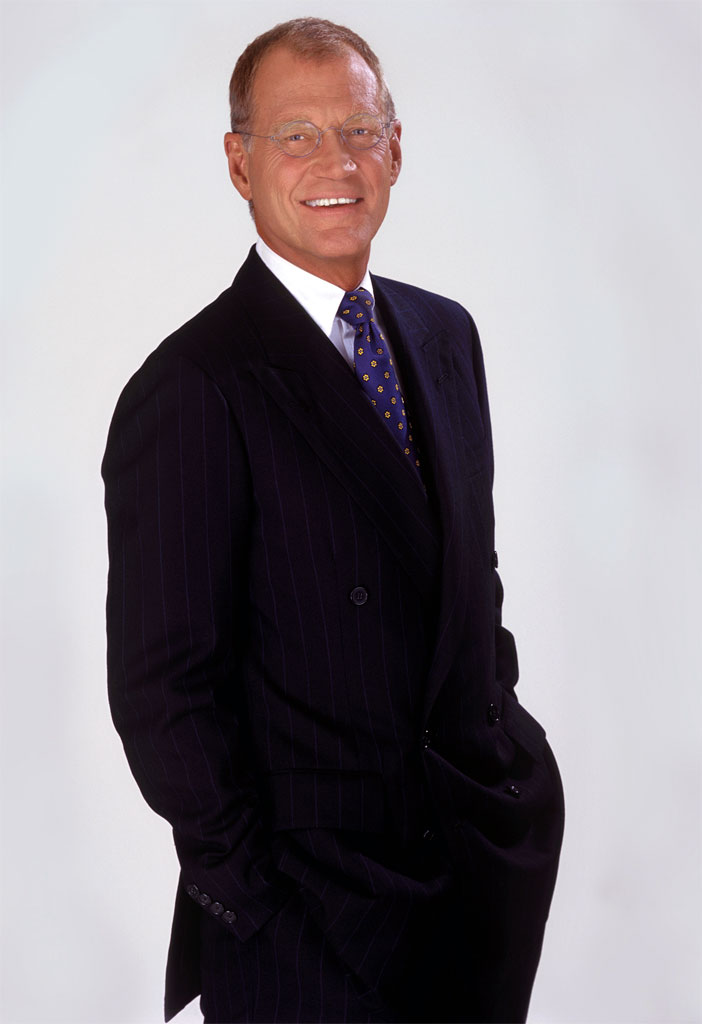
Don't expect this list from Dave. ESPECIALLY not from Dave...

Today I’m teaching two ethics seminars for The Washington Non-Profit Tax Conference in D.C. One is on accounting ethics, the other is for lawyers. One segment in the accountants’ program involves the sub-conscious and genetically programmed human tendencies that can interfere with our better judgment and perceptions, warping our ethics, and causing our ethics alarms to sound faintly, if at all. There are a lot of them:  I have a list of more than thirty, and it’s growing. Here are my current Top Ten to be especially alert to, in your own thinking, and for understanding the behavior of others: Continue reading

Texas Lawyers And Sex: Not Horny, Just Wise

"Now about my fee...."

Texas lawyers have voted down a proposed ethics rule that specifically condemned attorneys having intimate relations with their clients. Naturally, the media will represent the decision as the predictable reaction of a bunch of high-rolling, fun-loving Texas legal horn-dogs to people trying to spoil the perks of their job; even the legal media has settled on a misleading headline:  “Texas lawyers reject ban on sex with clients.” But Texas lawyers don’t think that sex with clients is ethical, or want it to be ethical. Like the attorneys in many other states, they just think having a rule on this topic is bad idea. And they are right. Continue reading

“The Good Wife” Ethics: Sex With Clients Edition

Diane, Diane..what were you thinking?

Last night’s episode of TV’s smartest legal drama since the 1960’s, CBS’s “The Good Wife,” dealt with the “no sex with clients” ethics rule adopted by most states (but not Washington, D.C.!) in a continuing subplot about the budding romance between firm tigress-partner Diane Lockhart (Christine Baranski ) and ballistics expert Kurt McVeigh, played by Gary Cole. In the episode, entitled “Silver Bullet,” Lockhart decides to represent McVeigh when he is sued for millions.

That’s her first ethics mistake. Continue reading

The Conflict of Interest That Isn’t, But Looks Terrible Anyway

David Becker, the top lawyer at the Securities and Exchange Commission, is suddenly an embarrassment to his employers. He and his two brothers inherited more than $1.5 million in phony profits from their mother’s investment in $65 billion Bernard Madoff’s Ponzi scheme. Since the S.E.C. was famously asleep at its post regarding Madoff, its negligence and incompetence allowing him to destroy individual lives, charities and more, having a key lawyer at the regulatory agency profit from Madoff’s scheme, even by inheritance, looks corrupt and unconscionable.  Continue reading

Presidents Day Ethics: The Presidents of the United States on Ethics and Leadership

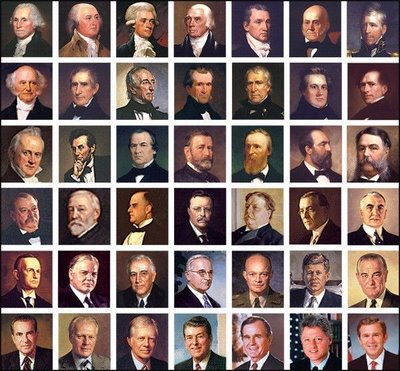
In commemoration of President’s Day, Ethics Alarms presents the ethics wisdom of the remarkable men who have served their country in the most challenging, difficult, and ethically complicated of all jobs, the U.S. Presidency.

Ladies and Gentlemen, the Presidents of the United States:

George Washington: “I hope I shall possess firmness and virtue enough to maintain what I consider the most enviable of all titles, the character of an honest man.” Continue reading

Ethics Hero: New York Courts

Bravo!

New York’s court officials have decided to bar New York’s elected judges from hearing cases involving lawyers and others who make major financial contributions to their campaigns. The New York Times reports that the new rule of the state court system will be announced this week by Jonathan Lippman, the state’s chief judge. “It is believed to be the most restrictive in the country, bluntly tackling an issue — money in judicial politics — that has drawn widespread attention,” said the paper.

The new rule decrees that “no case shall be assigned” by court administrators to a judge when the lawyers or any of the participants involved donated $2,500 or more in the preceding two years. Continue reading

Ethics Dunce Follow-up: Justice Thomas’s False Disclosures

From the New York Times:

“Justice Clarence Thomas of the Supreme Court acknowledged in filings released on Monday that he erred by not disclosing his wife’s past employment as required by federal law.
Justice Thomas said that in his annual financial disclosure statements over the last six years, the employment of his wife, Virginia Thomas, was “inadvertently omitted due to a misunderstanding of the filing instructions. To rectify that situation, Justice Thomas filed seven pages of amended disclosures listing Mrs. Thomas’s employment in that time with the Heritage Foundation, a conservative policy group, and Hillsdale College in Michigan, for which she ran a constitutional law center in Washington.” Continue reading