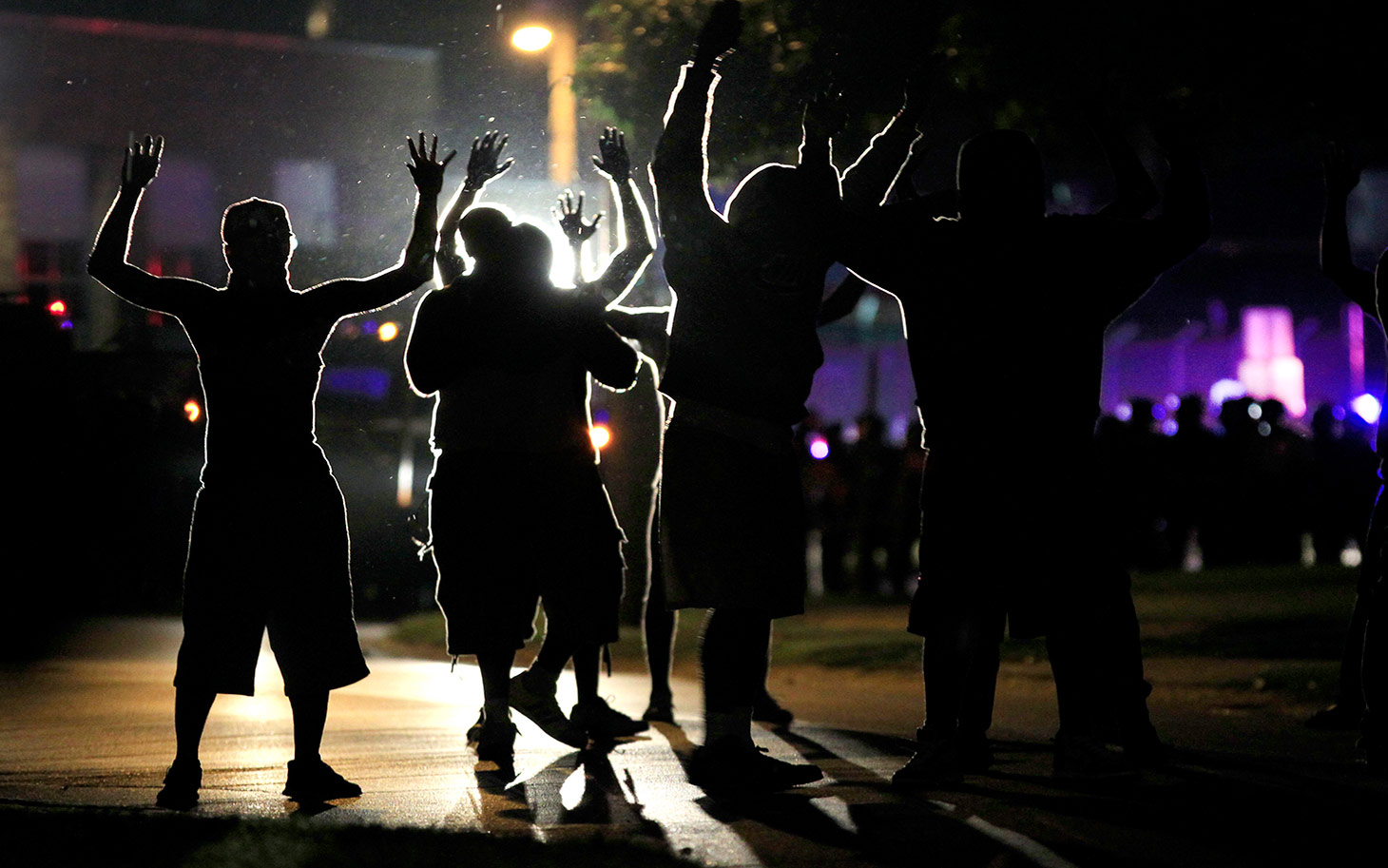
Protests are an American tradition, with protective rights enshrined in the Constitution, and a distinguished legacy that includes the Boston Tea Party and Martin Luther King’s civil rights marches and rallies. They are also perhaps the most misused and abused device in national politics. Most of them are useless, many of them are stupid, and too many of them do tangible harm.
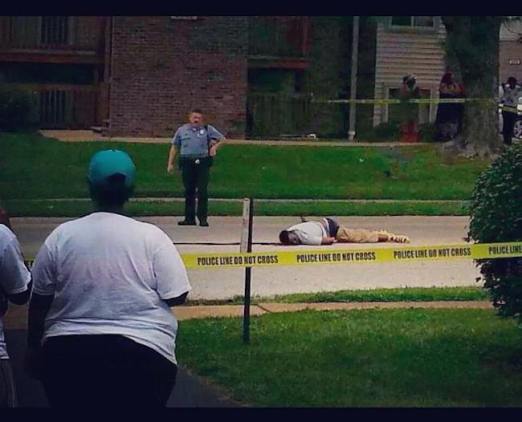
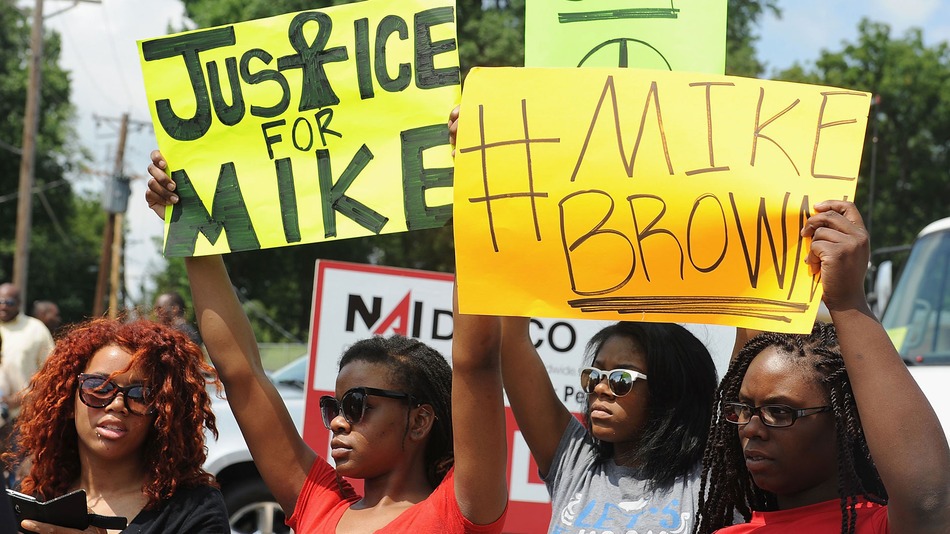
The Obama Administration’s crisis of the hour is the Ethics Trainwreck in Ferguson, Missouri, where a perfect storm arose when an an inept, distrusted and untrustworthy police force and a poor and frustrated African-American population clashed over the Rashomon shooting of an unarmed black teen. Now there are demonstrations every day in Ferguson; several people have been killed, and the demonstrations have spawned rioting and looting.
What is the purpose of all of this? It better be a good one, given its cost, and the protesters better be right. The problem is that the protesters can’t possibly be right at this point, because the facts aren’t known. We are told that the reason for the demonstrations is larger than mere anger over the shooting of Michael Brown; that it’s about police harassment, abuse and violence against African-Americans and their lack of accountability for it. That would only be a sustainable justification if in fact the death of Brown was an unequivocal, clear-cut example of the phenomenon being protested. It is not, not yet, and it may never be. So again the question has to be asked: is it ethical to be protesting in Ferguson at all? Continue reading